
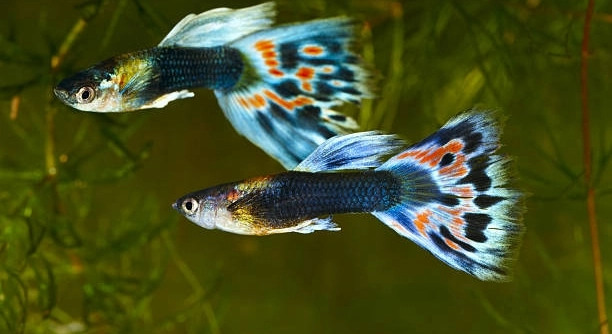
Guppies are popular aquarium fish known for their playful swimming behavior. However, you may notice them swimming backward from time to time. It can be puzzling if your guppy doesn’t swim as expected.
The behavior of swimming backward in guppies is often caused by various factors, including poor water quality, injury, stress, or certain diseases. It may also be linked to natural behavior patterns or swimming habits, which require careful observation.
Understanding these causes will help you identify the right solution. In the following sections, we will discuss the reasons behind this odd behavior and provide helpful tips to ensure your guppy’s well-being.
Poor Water Quality
Water quality plays a huge role in a guppy’s behavior. If your aquarium water is not properly maintained, it can lead to stress, illness, and strange swimming patterns. Guppies, like all fish, rely on clean water to stay healthy. When there are high levels of ammonia, nitrites, or even chlorine, they can cause discomfort for your guppy. Swimming backward can be a sign that the fish is struggling to cope with these poor water conditions.
Make sure to check your water parameters regularly. Keeping ammonia and nitrites at zero and maintaining a healthy pH is essential for your guppy’s well-being. Regular water changes also help maintain a stable and safe environment.
Guppies are sensitive to their environment, and poor water quality can lead to a variety of issues. If your guppy is swimming backward, it’s important to test the water and take action immediately. A simple water change and adjusting filtration can help alleviate the issue. In addition to the basics, adding water conditioners that neutralize harmful chemicals can improve water quality. Keeping the water temperature stable also reduces stress, ensuring that your guppy stays happy and healthy.
Injury or Physical Damage
An injury could also be responsible for the backward swimming. If your guppy has been involved in a tank scuffle or run into an object, it might swim in an odd way to compensate for its injury.
If you notice your guppy swimming backward along with signs like reduced activity, swelling, or visible wounds, it could be dealing with a physical injury. Give your guppy some time to recover in a separate tank if necessary, so it can heal properly.
Stress and Anxiety
Stress can cause guppies to act unusually, including swimming backward. When guppies feel threatened by sudden changes in their environment or tank mates, they may react with erratic movements. Overcrowding, aggressive fish, or sudden temperature changes can contribute to this.
Stress can weaken the immune system, making guppies more susceptible to disease. If your fish are frequently stressed, consider adjusting the tank setup. Reduce the number of fish if the tank is overcrowded, or separate any aggressive tank mates. A peaceful environment encourages normal behavior, so providing hiding spots or plants can help your guppy feel more secure.
Additionally, loud noises or sudden movements around the tank may add to your guppy’s stress. Creating a calm, stable atmosphere is key. Monitor your guppy’s behavior, and try to avoid disturbances that could heighten anxiety. A stress-free environment is essential for their overall health and well-being, ensuring that they don’t engage in abnormal behaviors like swimming backward.
Disease or Infection
Guppies can exhibit backward swimming as a sign of illness. Certain diseases, such as swim bladder disease, affect their ability to swim properly. Infected fish might struggle to maintain normal swimming patterns, causing them to swim erratically or backward.
Swim bladder disease is often caused by infections, poor water conditions, or overfeeding. If you suspect your guppy is ill, observe its behavior for other signs like bloating, floating sideways, or difficulty swimming at all. Treatment for swim bladder disease typically involves adjusting water quality, feeding less, or providing medicated water.
In some cases, bacterial or parasitic infections can also impair a guppy’s swimming. These infections can affect the nervous system or internal organs, leading to uncoordinated movements. Early detection and proper care are crucial to help your guppy recover. You may need to isolate the affected fish and treat the water with appropriate medications to prevent the infection from spreading.
Poor Diet
A poor diet can lead to health problems that affect swimming behavior. Guppies need a balanced diet to stay healthy, and without proper nutrition, their movements can become uncoordinated. Deficiencies in essential nutrients can cause them to swim in strange patterns.
Feeding your guppy a mix of high-quality flakes, pellets, and occasional live or frozen foods is important for their overall health. If the diet is too limited or poor, your guppy may become weak, leading to erratic movements like swimming backward. Make sure to vary their diet and avoid overfeeding, as this can also lead to swim bladder issues.
Providing a well-balanced, nutrient-rich diet ensures your guppy’s muscles and nervous system function properly, supporting normal swimming patterns. Healthy guppies are more active and less likely to exhibit strange swimming behavior. If you suspect that your guppy’s diet is lacking, adjusting it may help correct the issue.
Water Temperature
The temperature of the water can affect your guppy’s swimming. If the water is too cold, guppies may become sluggish, and if it’s too hot, they may become stressed. Both extremes can lead to abnormal swimming patterns, including backward movements.
A stable temperature between 72-82°F (22-28°C) is ideal for guppies. Too much fluctuation can be stressful, leading to strange swimming behaviors. Use a reliable thermometer and heater to ensure the water stays within the optimal range. Stable, warm water helps maintain normal activity levels and proper swimming coordination in guppies.
Tank Size and Environment
A cramped tank can contribute to abnormal behavior, including backward swimming. When guppies don’t have enough space to swim freely, they may show signs of stress or act erratically. Providing enough space is key to their well-being.
Make sure your tank is appropriately sized for the number of fish you have. A 10-gallon tank is the minimum for a small group of guppies. Tanks that are too small can cause guppies to feel cramped, which can lead to unusual swimming patterns. Proper tank conditions promote a healthy and happy guppy.
FAQ
Why is my guppy swimming backward suddenly?
If your guppy has started swimming backward, it could be due to several factors like poor water quality, stress, injury, or a possible illness. Start by checking the water parameters, ensuring the ammonia, nitrites, and temperature are within safe levels. Also, look out for signs of disease or injury. If the water quality and the environment are fine, your guppy could be reacting to stress or overcrowding. In any case, make sure to observe your guppy closely for any other unusual behaviors or symptoms.
Can guppies recover from swimming backward?
Yes, most guppies can recover from swimming backward if the underlying cause is addressed quickly. If the issue is related to water quality, simply changing the water and adjusting filtration can improve the situation. If the cause is stress or injury, giving your guppy a peaceful, safe environment may help them return to normal. However, if the cause is disease, prompt treatment is necessary. The sooner you identify the problem, the quicker your guppy can recover.
Is backward swimming a sign of disease?
Backward swimming can sometimes indicate a health problem, such as swim bladder disease or another internal issue. Swim bladder disease causes problems with buoyancy, leading to uncoordinated swimming. Other infections or parasites affecting the nervous system may also cause similar symptoms. If your guppy is swimming backward and showing other signs of illness like bloating, listlessness, or floating sideways, it is important to diagnose the problem early and provide appropriate treatment.
How can I tell if my guppy is stressed?
Stressed guppies may show several signs. In addition to swimming backward, they might swim erratically, hide more than usual, or exhibit signs of aggression toward other fish. Stress can also lead to loss of appetite or unusual resting behavior. Monitor your guppy’s environment for any sudden changes, such as overcrowding, incompatible tank mates, or sharp changes in water temperature. A calm, stable environment is crucial for preventing stress and helping your guppy swim normally.
Can poor diet cause my guppy to swim backward?
Yes, a poor diet can affect your guppy’s swimming. If your guppy is not receiving the proper nutrition, they may become weak or develop swim bladder problems, both of which can result in abnormal swimming patterns like swimming backward. Make sure to provide a balanced diet with high-quality flakes, pellets, and occasional live foods. Overfeeding can also cause swim bladder issues, so it’s important to feed your guppy in moderation. A well-rounded diet supports overall health and normal swimming behavior.
What is swim bladder disease, and how does it affect swimming?
Swim bladder disease is a condition that affects the fish’s ability to control its buoyancy. The swim bladder is an organ that helps fish maintain their position in the water. If it becomes damaged or infected, the fish may struggle to swim properly, including swimming backward, floating sideways, or sinking to the bottom. Swim bladder disease can be caused by bacterial infections, constipation, or poor water conditions. Treatment often involves adjusting the fish’s diet, improving water quality, and sometimes using medications.
How do I treat my guppy if it’s swimming backward?
Treatment depends on the cause of the backward swimming. If the water quality is poor, perform a water change and check the filtration system. If the cause is stress, try to reduce any disturbances, overcrowding, or aggressive tank mates. For diseases like swim bladder disease, you may need to isolate the affected guppy and treat it with the appropriate medication. Adjusting the diet and ensuring your guppy gets enough space can also help them recover. Always observe the behavior closely to determine if further action is needed.
Can the water temperature affect my guppy’s swimming?
Yes, water temperature plays a critical role in a guppy’s behavior. Guppies prefer water temperatures between 72-82°F (22-28°C). If the temperature is too low, they may become sluggish and have difficulty swimming properly. If the water is too warm, it could stress the fish, causing erratic swimming behavior, including backward movement. Make sure to use a reliable thermometer and heater to maintain a consistent temperature. Avoid drastic temperature changes, as they can be stressful for your guppy.
Is overcrowding causing my guppy to swim backward?
Overcrowding can definitely lead to stress, which may cause your guppy to swim backward. If there are too many fish in the tank, your guppy may feel cramped and unable to move freely. This can result in erratic swimming patterns. It’s important to follow proper stocking guidelines and ensure the tank has enough space for all its residents. A 10-gallon tank can comfortably house a small group of guppies, but you should adjust accordingly for larger tanks. By providing ample space, you reduce the chance of overcrowding-induced stress.
What should I do if my guppy is swimming backward and won’t eat?
If your guppy is swimming backward and also refusing to eat, it’s a sign that something is wrong. Illness or stress could be at the root of the issue. First, check the water quality and ensure it’s within the safe range. If the water quality is good, try isolating the guppy in a quarantine tank to reduce stress and monitor them closely for other symptoms. If your guppy still doesn’t eat or continues swimming backward, it could be suffering from a disease like swim bladder disorder, and treatment might be necessary.
Can other fish in the tank cause my guppy to swim backward?
Yes, aggressive or territorial tank mates can stress your guppy, leading to backward swimming. Guppies are generally peaceful fish, but if they feel threatened by faster or more aggressive species, they may display unusual swimming patterns. Ensure that your tank is stocked with peaceful fish that get along well with your guppy. Additionally, providing hiding spots, plants, or decorations can give your guppy a sense of security and reduce stress from potential threats.
Final Thoughts
If your guppy is swimming backward, it’s important to take a step back and assess the situation carefully. Backward swimming can be caused by various factors, from water quality issues and stress to injuries and diseases. Understanding the root cause is key to providing your guppy with the proper care. Start by checking the water conditions in the tank. Ammonia, nitrite, and temperature imbalances can easily make your guppy uncomfortable, leading to abnormal behavior. Regular water testing and maintaining a clean environment are essential steps in preventing such issues. If the water is clean and stable, then the cause may lie elsewhere, such as stress or illness.
Addressing stress is also important. Guppies can be sensitive to sudden changes in their environment. Overcrowding, aggressive tank mates, or even loud noises can make your guppy feel unsafe, causing them to swim backward or act erratically. Providing a peaceful, stable environment will help reduce stress and improve your guppy’s behavior. Make sure the tank is the right size, and keep the number of fish at a manageable level. Offering plants or hiding spots can give your guppy a sense of security. The less stressed your guppy is, the less likely they are to exhibit abnormal swimming behavior.
Finally, it’s crucial to monitor your guppy for signs of disease, as this can also lead to backward swimming. Diseases such as swim bladder disorder or infections affecting the nervous system can cause uncoordinated movements. If you notice other symptoms like bloating, floating sideways, or loss of appetite, it’s time to take action. Isolating your guppy in a separate tank and treating them with appropriate medications may be necessary. Keeping a close eye on your guppy’s health will help ensure they recover quickly and continue to swim freely. By paying attention to these key factors, you can help your guppy stay happy and healthy, with no more backward swimming.

Hello,
If you enjoy the content that we create, please consider saying a "Thank You!" by leaving a tip.
Every little bit helps us continue crafting quality advice that supports the health, happiness, and well-being of pets around the world, for pets of all shapes, sizes, and species.
We really appreciate the kindness and support that you show us!