
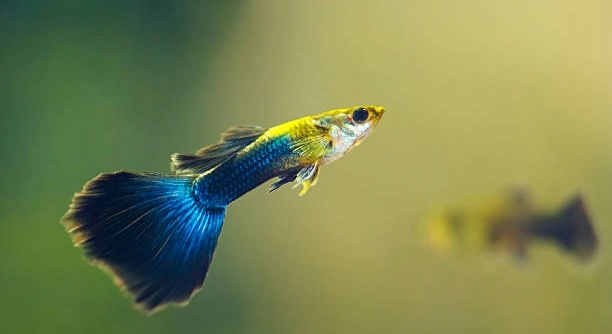
If your guppy is not socializing with others in the tank, it can be a bit worrying. You might wonder what’s causing the sudden change in behavior and what you can do about it.
There are several possible reasons why your guppy might not be socializing. Stress, poor water quality, illness, or even the presence of aggressive tank mates could all contribute to this behavior. Identifying the cause is key.
Understanding these potential reasons can help you create a better environment for your guppy, improving their social interactions and overall well-being. Keep reading to find out more.
Stress
Stress is one of the most common reasons for a guppy to avoid socializing with other fish. Guppies are sensitive creatures, and even slight changes in their environment can cause them to become stressed. This stress may be triggered by things like sudden temperature changes, overcrowded tanks, or loud noises near the aquarium. Stress can affect your guppy’s behavior, causing them to hide, swim aimlessly, or just avoid interacting with other fish. A stressed guppy might also show signs like erratic swimming or clamping its fins close to its body.
It’s essential to provide a stable, calm environment for your guppy to thrive. A well-maintained tank with proper water conditions, space, and minimal disturbances will help your guppy feel safe.
When it comes to stress, prevention is key. Make sure your tank is not overcrowded, maintain consistent water quality, and try to avoid any sudden changes in the tank. If your guppy seems stressed, consider isolating it temporarily in a quieter part of the tank to help it recover. Over time, stress will decrease as your guppy gets used to its environment.
Illness
A sick guppy is unlikely to socialize, as it may be feeling unwell or vulnerable. Just like any animal, illness can cause them to retreat and avoid interaction with others. If your guppy is not swimming around or hiding often, it could be a sign that something is wrong. Symptoms of illness can include lethargy, faded colors, or unusual swimming patterns.
Check the overall health of your guppy regularly to spot any potential issues. If your guppy is sick, it may need to be treated separately to prevent any potential spread of disease to other fish.
Water Quality
Poor water quality can greatly affect your guppy’s behavior, leading them to avoid socializing. Guppies are sensitive to changes in water conditions, and dirty or improperly balanced water can make them stressed or sick. If the water is too acidic or alkaline, or if the tank has high ammonia or nitrite levels, guppies will likely retreat.
To ensure the water quality is safe, check the tank’s pH, ammonia, and nitrate levels regularly. Perform routine water changes to keep the water clean and stable. If water quality is poor, it can lead to sickness or stress, preventing your guppy from interacting with other fish.
In addition to water testing, make sure the filtration system is working properly. Over time, filters can get clogged and need to be cleaned. If your guppy is still not socializing, it’s worth testing the water after a water change. Keeping the water quality in check will help your guppy feel more comfortable, encouraging them to swim and interact with others.
Aggressive Tank Mates
Some fish can be more aggressive than others, causing stress for peaceful fish like guppies. If you have more aggressive species in the tank, your guppy might be avoiding them to stay safe. Aggressive tank mates often chase, nip at fins, or bully smaller fish, which leads to stress and social withdrawal.
Guppies do best when kept with calm, non-aggressive tank mates. Avoid mixing them with fish that are territorial or overly dominant, such as bettas or certain species of cichlids. Keep an eye out for signs of aggression, like chasing or nipping, as these behaviors will hinder your guppy’s socializing.
If you notice aggression, consider moving the more aggressive fish to a separate tank. This will reduce stress for your guppy, allowing them to feel more comfortable. In a peaceful environment, your guppy will be more likely to socialize with others.
Tank Size
A small tank can lead to a lack of space, making your guppy feel confined and stressed. Overcrowding or inadequate space can cause your fish to hide rather than socialize with tank mates. Ensure the tank has enough room for each fish to swim freely.
A crowded tank doesn’t just affect your guppy’s socializing habits, it can also harm their health. Make sure to have at least one gallon of water per inch of fish. This provides ample space for your guppy to move around without feeling trapped. A properly sized tank also ensures better water quality, which is crucial for your fish’s well-being.
Ensure your guppy’s tank is large enough to accommodate all the fish comfortably. Having a spacious environment will encourage social interaction, as your guppy will feel less stressed and more willing to interact with other fish.
Lighting
The lighting in your tank plays a role in your guppy’s behavior. If the lighting is too bright or harsh, it may cause your guppy to hide, avoiding socializing. Fish tend to seek refuge from overly bright conditions, and this could affect your guppy’s interactions.
Make sure your aquarium has gentle, natural light, and avoid placing it in direct sunlight. Too much light can make the tank too warm, and guppies may feel uncomfortable. A proper light cycle (12-14 hours of light, followed by darkness) will help them feel secure, reducing stress and promoting social behavior.
Diet
Your guppy’s diet is another key factor that can influence its behavior. A lack of proper nutrition may cause your guppy to become lethargic or unwell, affecting its willingness to interact with others. If your guppy isn’t eating well, its energy levels and mood can suffer.
FAQ
Why is my guppy hiding all the time?
Hiding is often a sign of stress or illness in guppies. If your guppy is constantly hiding, it could be due to poor water quality, aggressive tank mates, or a tank that feels too small. It’s also possible that your guppy is feeling sick or stressed by environmental changes. Check the water parameters (pH, ammonia, nitrites) and ensure the tank is clean. Make sure that the fish are not being bullied or chased by more aggressive species. Providing a peaceful, well-maintained environment can help your guppy feel more comfortable and social.
Can guppies get lonely?
Guppies are social fish and tend to thrive in groups. While they can survive alone, they are generally happier and more active when kept with others of their kind. If your guppy is kept alone, it may exhibit less social behavior and more hiding. To encourage more interaction, consider adding a few more guppies to the tank. However, avoid overcrowding, as this can lead to other issues such as poor water quality and stress.
How can I tell if my guppy is stressed?
Stressed guppies often display signs such as erratic swimming, hiding, clamped fins, or a loss of color. If your guppy is frequently darting around the tank or swimming in circles, it may be stressed. You might also notice that it avoids other fish or doesn’t seem interested in food. Stress can stem from poor water quality, temperature fluctuations, aggressive tank mates, or overcrowding. Addressing these factors can help reduce stress and encourage normal social behavior.
Why aren’t my guppies breeding?
Several factors can influence breeding success in guppies. If your guppies are not breeding, it may be due to incompatible tank conditions, such as improper water temperature or poor water quality. Male and female guppies need to be kept in a balanced ratio, with at least two females for each male to reduce stress on the females. Ensure the water temperature is between 72-82°F (22-28°C), as this range is ideal for breeding. A lack of proper hiding spots or a stressful environment can also deter breeding behavior.
Do guppies need plants or decorations to feel secure?
Yes, guppies often feel more secure when there are plants or decorations in the tank. These provide hiding spots, which can reduce stress, especially for shy or new fish. Live or artificial plants help to mimic their natural environment and offer spaces where they can retreat when they feel threatened. Having some decorations also encourages natural behavior, such as exploring and socializing with tank mates. However, be sure not to overcrowd the tank with too many decorations, as this could reduce the space available for swimming.
What are the best tank mates for guppies?
Guppies are peaceful fish and do well with other non-aggressive species. Good tank mates include other livebearers like mollies, platies, and swordtails. They also get along with small tetras, Corydoras catfish, and shrimp. Avoid keeping guppies with larger or more aggressive fish, such as bettas, cichlids, or goldfish. These species may harass or outcompete your guppies for food. When choosing tank mates, always consider the size of the fish and their temperament to ensure they won’t stress or bully the guppies.
Can guppies live with bettas?
Guppies and bettas do not always get along. Male bettas are territorial and can become aggressive towards other fish, especially those with long, flowing fins, like guppies. This aggression can stress your guppies and prevent them from socializing properly. If you want to keep them together, make sure the tank is large enough to provide plenty of space, and ensure there are plenty of hiding spots for your guppies. However, it’s generally best to avoid keeping male bettas and guppies in the same tank.
What size tank do guppies need to thrive?
A 10-gallon tank is typically sufficient for a small group of guppies. It’s important not to overcrowd the tank, as guppies need space to swim and thrive. For every inch of fish, you should have at least one gallon of water. If you have multiple guppies, a larger tank will help maintain water quality and prevent stress. A larger tank also allows for better filtration and more room for tank mates.
Why is my guppy swimming at the surface?
Guppies that swim at the surface of the tank could be showing signs of stress or discomfort. They may be gasping for air if the oxygen levels in the tank are low, or the water could be too warm. High temperatures reduce oxygen levels, making it harder for fish to breathe. Ensure the water temperature is within the ideal range (72-82°F or 22-28°C) and consider adding an air pump to improve oxygenation. Additionally, check the water parameters to rule out ammonia or nitrite buildup, which could affect your guppy’s health.
How can I tell if my guppy is pregnant?
Pregnant female guppies will typically have a noticeable swollen belly as they develop their fry. The gravid spot (a dark patch near the abdomen) will also become more pronounced as the pregnancy progresses. In the days leading up to birth, you may notice the female becoming more reclusive and less active. To ensure the safety of the fry, consider providing a separate breeding tank or a breeding box for the female to give birth in. This helps protect the fry from being eaten by other fish.
When it comes to guppies, socializing is a natural behavior. These small, colorful fish thrive in groups and often interact with one another. However, if you notice that your guppy is not socializing or seems isolated, it could be a sign of something wrong. There are a number of factors that can contribute to this, such as stress, poor water quality, illness, or the presence of aggressive tank mates. It’s important to observe your guppy closely and look for any other signs of distress, as these can help you identify the root cause of the issue.
One of the most common reasons for a guppy’s lack of socializing is stress. Stress can come from many sources, including poor water conditions, sudden changes in temperature, or overcrowding. Even the presence of a more aggressive fish can make your guppy feel threatened and cause them to retreat. To solve this, you’ll want to check the water quality regularly, ensure there’s enough space in the tank, and make sure there are no aggressive fish nearby. Once the stressors are removed, your guppy should feel more comfortable and begin interacting with others again.
Lastly, patience is key when dealing with your guppy’s social behavior. Fish often take time to adjust to their environment, especially after being introduced to a new tank or a different group of fish. It’s important to be patient and allow your guppy time to acclimate. By maintaining proper tank conditions and keeping the environment peaceful, your guppy will likely return to its normal social habits. Sometimes, the issue is temporary and resolves on its own as the fish get more accustomed to their surroundings.

Hello,
If you enjoy the content that we create, please consider saying a "Thank You!" by leaving a tip.
Every little bit helps us continue crafting quality advice that supports the health, happiness, and well-being of pets around the world, for pets of all shapes, sizes, and species.
We really appreciate the kindness and support that you show us!