
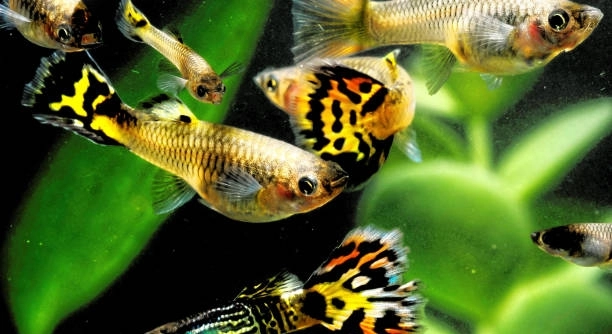
Guppies are known for their playful nature, but they also thrive on routine. One important factor that affects their health is feeding. Understanding how consistent feeding times influence their well-being can help keep them happy and healthy.
Consistent feeding times help regulate a guppy’s internal clock, ensuring proper digestion and nutrient absorption. It also reduces stress, encourages healthy growth, and maintains optimal water quality. Regularity in feeding supports a stable, balanced environment for guppies.
Implementing consistent feeding habits can lead to healthier guppies and more enjoyable aquarium experiences. Understanding their needs will help improve their overall quality of life.
How Consistent Feeding Helps Regulate Guppy Digestion
Feeding guppies at regular intervals helps their digestive system function smoothly. Like any living being, their bodies thrive on routines. When you feed them consistently, their bodies learn when to expect food, promoting healthy digestion. This regularity helps prevent digestive issues, which can arise if they are fed erratically. It also ensures they get the nutrients they need for optimal health and energy. Without a routine, guppies might struggle to process their food properly, leading to unnecessary stress. Maintaining a regular feeding schedule also reduces the chance of overfeeding or underfeeding, which can negatively affect water quality and the health of your guppies.
Consistency in feeding times can also help avoid digestive stress. By keeping things predictable, you encourage your guppies’ systems to function properly. It’s a simple but essential step toward a happier, healthier tank.
When you set a consistent feeding time, your guppies will become more accustomed to it, and their digestion will naturally follow suit. This regularity aids in their overall health and well-being.
Reducing Stress in Your Guppies
Stress can have a major impact on your guppy’s health. It is essential to understand how regular feeding schedules play a role in reducing that stress. When your guppies know when food is coming, they feel more secure and less anxious. A predictable routine minimizes the unpredictability of their environment, which is a key factor in reducing stress.
Inconsistent feeding times can lead to confusion and increased anxiety for guppies. They may become more stressed due to the uncertainty of when they will next be fed, leading to poor health and reduced activity. This stress may also make them more susceptible to illnesses.
Over time, your guppies will begin to associate feeding time with a sense of stability. This sense of security helps them adapt better to other changes in their environment, contributing to their long-term happiness and well-being.
Supporting Healthy Growth in Guppies
Regular feeding ensures that guppies receive consistent nutrition, which is key to their growth. A steady supply of food at the same time each day helps them develop properly and maintain strong immune systems. This routine feeding schedule supports their physical development and ensures that they stay active and healthy.
When guppies are fed on time, their metabolism functions optimally. It encourages them to grow at a steady pace, reducing the risk of stunted growth. Regular, well-balanced meals allow guppies to reach their full potential, whether you’re raising fry or adults. The stability of a feeding schedule promotes a healthy environment for their growth.
A well-fed guppy is more likely to display vibrant colors and an active, playful demeanor. Their bodies will be better equipped to handle environmental stresses, and they will exhibit strong resistance to illness. Proper feeding times are essential for guppies to thrive and grow at their best.
Enhancing Water Quality
Regular feeding times are beneficial for maintaining the water quality in your tank. When you feed your guppies at set times, it becomes easier to monitor their eating habits and prevent overfeeding, which can pollute the water. Uneaten food breaks down in the tank, increasing ammonia levels and potentially harming your fish.
By sticking to a feeding schedule, you can ensure that your guppies eat their food efficiently. You can also remove any leftover food promptly, which helps keep the water clean and reduces the likelihood of harmful bacteria or algae growth. Clean water is crucial for the health of your guppies, as poor water quality can lead to stress, disease, or even death.
Consistent feeding also allows you to observe your guppies’ eating habits. If you notice that they are not eating as much or not eating at all, it could be a sign of stress or illness. By maintaining a routine, you’ll be able to catch these issues early and take action quickly.
Preventing Overfeeding and Underfeeding
Feeding your guppies at regular times helps ensure they are neither overfed nor underfed. It’s easy to overfeed when you feed irregularly, which can lead to water contamination and health issues for your fish. A routine schedule keeps things balanced.
Feeding at the same time each day helps you track how much food your guppies consume. This makes it easier to adjust portion sizes and avoid excess food in the tank. Consistent feeding also prevents them from getting too little food, ensuring they maintain a healthy weight.
Maintaining a Balanced Diet
A consistent feeding schedule is an opportunity to offer your guppies a balanced diet. Providing a variety of foods at regular intervals supports their nutritional needs. Guppies require both plant-based and protein-rich foods to stay healthy, and a schedule allows you to manage this balance more effectively.
By sticking to a feeding routine, you can introduce different foods at consistent intervals. This not only ensures variety but also helps avoid feeding the same food too often, which could lead to nutritional deficiencies. A balanced diet improves guppy health, coloring, and activity levels, making it easier to maintain their well-being.
Encouraging Active Behavior
Consistent feeding times can encourage your guppies to be more active. When they know when to expect food, they become more engaged and active in anticipation. This activity keeps them fit and ensures that they are exercising regularly.
Active guppies tend to be healthier overall. Their muscles develop properly, and they remain more alert. Having a set feeding time means they will anticipate the food and stay active, contributing to better physical and mental health.
FAQ
How often should I feed my guppies?
Guppies should be fed two to three times per day. It’s important to avoid overfeeding, so only provide the amount they can consume within a few minutes. Consistent, smaller meals are better than large portions at irregular times. By sticking to a regular feeding schedule, you can maintain the right balance.
Can guppies survive without food for a day or two?
Yes, guppies can survive without food for a day or two, but it should not be a common practice. They can go without food for a short time if necessary, like during a water change or if you’re unable to feed them for a day. However, regular feeding ensures they stay healthy.
What are the best foods for guppies?
Guppies thrive on a mix of high-quality flakes or pellets, along with occasional treats like brine shrimp, bloodworms, or daphnia. Offering a variety of foods helps meet their nutritional needs, providing both plant-based and protein-rich options. Variety also keeps them engaged and prevents boredom.
Can I feed my guppies once a day?
While it’s possible to feed your guppies once a day, it’s generally better to feed them two or three times for optimal health. Multiple smaller feedings are more efficient and reduce the risk of overfeeding. You can adjust feeding times depending on how active your guppies are.
Why do my guppies seem to stop eating sometimes?
Guppies may stop eating due to stress, illness, or water quality issues. If your guppies are refusing food, check the tank’s water parameters, ensure the food is fresh, and make sure there are no signs of disease. A consistent feeding schedule can reduce stress and help them feel secure.
Should I remove uneaten food from the tank?
Yes, uneaten food should be removed within a few minutes of feeding. Leftover food breaks down and can pollute the water, increasing ammonia levels. This can harm your guppies and affect the overall water quality. Removing excess food helps maintain a healthy tank environment.
Can overfeeding harm my guppies?
Yes, overfeeding can lead to a number of problems. It causes excess waste, which can pollute the water and lead to poor water quality. Overfeeding also risks obesity and digestive issues for guppies. Always feed small portions and adjust if you notice leftover food in the tank.
What time of day is best for feeding guppies?
Guppies can be fed at any time of day, but it’s best to establish a consistent routine. Feed them in the morning and evening for balanced nutrition. Guppies, like many fish, thrive on routines, and they will get used to their feeding schedule.
Do guppies need a variety of foods?
Yes, variety is important for guppies. A mix of high-quality flakes, occasional live foods, and frozen treats ensures they receive a balanced diet. Variety prevents deficiencies and helps maintain their vibrant color and energy levels. It also keeps them interested in their meals.
Can I overfeed my guppies with live food?
While live food is a great treat, overfeeding can still cause problems. Live food is high in protein, and offering too much can lead to obesity and water quality issues. Limit live food to once or twice a week, balancing it with other types of food in their diet.
How long should I leave food in the tank?
Food should be left in the tank for no more than 5 minutes. Guppies tend to eat quickly, so any food left after that time should be removed. Uneaten food decomposes and can lead to poor water quality, so it’s essential to clean up promptly.
Can guppies eat vegetables?
Yes, guppies can eat vegetables like spinach, zucchini, and peas. These should be blanched (softened by boiling) to make them easier for the fish to consume. Vegetables provide important fiber that supports digestion and helps maintain a balanced diet alongside their protein intake.
Is it okay to skip feeding guppies for a day?
Skipping a feeding once in a while won’t harm your guppies, but it shouldn’t be a regular practice. Guppies are small fish that rely on frequent, consistent feeding for their health and energy. If you must skip a feeding, ensure they have access to food the next day.
What should I do if my guppies are not eating at feeding time?
If your guppies refuse food at feeding time, check the water quality, temperature, and tank conditions. Stress, illness, or improper tank conditions can cause loss of appetite. Ensure the food is fresh and appropriate for their diet, and remove any uneaten food to maintain clean water.
How do I know if I’m feeding my guppies the right amount?
Guppies should be fed an amount they can consume in about 2-3 minutes. If there’s leftover food, you’re likely offering too much. Over time, you’ll become familiar with how much they need. Be cautious of overfeeding, as it can negatively affect both the fish and water quality.
Should I feed my guppies in the same spot each time?
Feeding in the same spot helps guppies develop a feeding routine. It creates a sense of stability, which can reduce stress. They’ll also become accustomed to finding their food, making the feeding process smoother. A consistent location helps both you and your guppies.
Final Thoughts
Consistent feeding times are essential for the well-being of your guppies. By providing them with regular meals, you help ensure they grow properly, stay healthy, and maintain vibrant colors. A set feeding routine also makes it easier to monitor their food intake, preventing overfeeding or underfeeding. This contributes to a more balanced and stress-free environment, which is important for the overall health of your fish. Additionally, sticking to a feeding schedule allows you to keep track of their eating habits, making it easier to spot any potential health issues early on.
Feeding guppies at consistent times also benefits water quality. By removing uneaten food promptly and offering portions that your guppies can consume within a few minutes, you prevent excess food from decaying and polluting the tank. This helps keep the water clear, reducing the risk of harmful bacteria and parasites that can affect your fish’s health. Consistent feeding times allow for better control over the food you give them, leading to cleaner water and a healthier environment for your guppies to thrive in.
In conclusion, a stable feeding routine is one of the simplest and most effective ways to care for your guppies. It supports their growth, keeps them active, and helps maintain good water quality. By feeding your guppies at the same time each day, you create a sense of stability that benefits both you and your fish. Regular feeding times offer numerous advantages, from preventing overfeeding to ensuring that your guppies receive the right nutrition for a long and healthy life.

Hello,
If you enjoy the content that we create, please consider saying a "Thank You!" by leaving a tip.
Every little bit helps us continue crafting quality advice that supports the health, happiness, and well-being of pets around the world, for pets of all shapes, sizes, and species.
We really appreciate the kindness and support that you show us!