
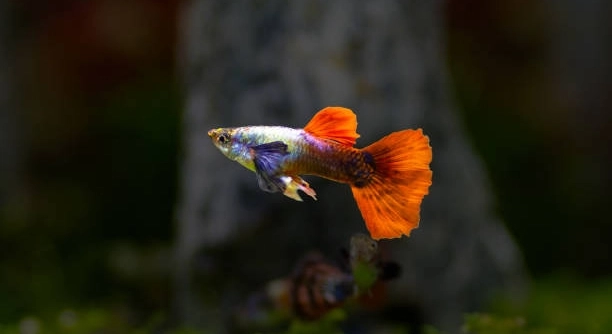
Guppies are known for their vibrant colors, but sometimes they can lose their brightness. If you notice your guppy fading, it could be due to various factors that affect its health and appearance.
Several reasons can cause your guppy to lose its bright colors. Poor water quality, improper diet, stress, and disease are common contributors. Inadequate lighting and unsuitable tank mates can also lead to color loss, affecting the guppy’s overall appearance.
Understanding these factors will help you take the necessary steps to restore your guppy’s vibrant colors and ensure its well-being.
Poor Water Quality
Water quality is one of the main factors that affect the health and appearance of your guppy. If the water contains high levels of ammonia, nitrates, or nitrites, it can cause stress and weaken your guppy’s immune system. This may lead to color loss. Ensure the tank is properly filtered and that the water is changed regularly. Maintaining the correct water parameters, including pH, temperature, and hardness, is also essential. Using a water test kit will help you monitor these factors and prevent any potential issues that could harm your guppy.
Even small changes in water conditions can have a significant impact on the health of your fish. Keeping the water clean and at an appropriate level can restore and maintain their natural colors.
Regular water testing and careful tank maintenance can help prevent fading. A clean, stable environment will contribute to the overall health of your guppy and keep it colorful.
Poor Diet
A balanced diet is essential for a guppy’s health and color. Feeding your guppy a high-quality diet with essential nutrients like vitamins and minerals can help enhance its natural colors. Without proper nutrition, the guppy may become pale or lose its vibrancy.
Guppies should be fed a mix of flakes, frozen foods, and live foods to provide the necessary nutrients. Offering a variety of foods will ensure they receive all the vitamins, minerals, and fats needed for optimal color retention. Avoid overfeeding, as excess food can lead to water quality issues.
If your guppy’s color has faded, adjusting its diet may help restore its brightness. Choose food specifically designed for tropical fish to ensure they get the proper nutrition.
Stress
Stress can cause a guppy to lose its bright colors. Changes in its environment, such as new tank mates or loud noises, can make the fish feel threatened. This stress may cause it to fade or become dull. Try to keep the tank environment calm and stable.
A guppy under stress will often display signs such as rapid swimming, hiding, or reduced activity. Reducing disturbances and providing hiding spots can help the guppy feel secure. Keep the water temperature consistent and avoid overcrowding to prevent stressful conditions. A calm, stable tank will reduce the risk of color fading.
Over time, with proper care and a stress-free environment, your guppy can regain its natural vibrancy. Removing stressful triggers from the tank and offering a peaceful space is key to maintaining a healthy, colorful fish.
Disease
Illnesses can also cause a guppy to lose its bright colors. Common diseases like fin rot, internal parasites, or bacterial infections weaken the fish and lead to color fading. If you notice any signs of illness, such as spots, lesions, or unusual behavior, it’s important to treat the problem immediately.
Infected guppies may become lethargic and refuse to eat. Their colors may fade as the disease progresses. Early diagnosis and treatment are vital to prevent further deterioration. Quarantine the affected guppy to prevent spreading the illness to other fish. Use appropriate medications after consulting an expert to ensure effective treatment.
To protect your guppy from disease, keep the tank clean, feed a balanced diet, and avoid introducing new fish without proper quarantine. Taking these precautions will help ensure your guppy remains vibrant and healthy.
Poor Lighting
Lighting can significantly affect your guppy’s color. If the aquarium doesn’t have proper lighting, your fish may lose their vibrant hues. Low or harsh lighting can also stress the fish, causing them to appear dull. Ensure your tank gets adequate, indirect light to support color retention.
Bright but not excessive lighting is key. Too much light can cause algae growth, which can affect both the fish and water quality. Aim for a lighting cycle of 10-12 hours a day to help your guppy thrive and retain its natural colors. You can also try LED lights designed for tropical fish to enhance their brightness.
Make sure your tank has a well-balanced light setup. This will not only help with your guppy’s coloration but also create a healthy environment for all the fish.
Tank Mates
Tank mates play a role in your guppy’s health and color. Aggressive or incompatible species can stress your guppy, leading to color loss. It’s important to choose peaceful, compatible fish that won’t harass your guppy or take up too much space in the tank.
Consider species that are calm and won’t compete with your guppy for food or space. Small, peaceful fish are often ideal companions. If your guppy is constantly hiding or seems uneasy around other fish, it may be time to rethink the tank’s population. Reducing stress from tank mates can help preserve the guppy’s vibrant colors.
Overcrowding
Overcrowding can lead to stress and poor water quality, both of which can cause your guppy to lose its bright colors. A crowded tank can lead to an imbalance in the water and a decrease in oxygen levels, which affects the health of all fish.
Make sure to maintain a proper ratio of fish to tank size. Overcrowding can also lead to aggression and competition for food, which further stresses the guppies. Monitoring your tank size and population will prevent these issues and keep the environment balanced for your fish.
FAQ
Why are my guppy’s colors fading?
Several factors can cause a guppy’s colors to fade, including poor water quality, an imbalanced diet, stress, or disease. When the water conditions aren’t ideal, the fish may lose its vibrant colors. Additionally, if the guppy is stressed by its environment or tank mates, it may become dull. Illnesses like fin rot or internal parasites can also contribute to color loss. Make sure to address these issues to help restore the guppy’s health and appearance.
How can I improve my guppy’s color?
To improve your guppy’s color, start by ensuring proper water quality. Regular water changes, filtration, and checking the pH and temperature levels will help. Also, feed your guppy a high-quality diet rich in nutrients. Adding live or frozen foods can boost their overall health and color. Proper lighting is also essential; make sure the tank receives moderate, indirect light. Stress reduction is crucial, so maintain a peaceful environment with suitable tank mates and enough space.
What should I feed my guppy to enhance its color?
To enhance your guppy’s color, offer a varied diet that includes high-quality fish flakes, live foods like brine shrimp or daphnia, and frozen foods such as bloodworms. These foods provide essential vitamins and minerals, which help improve color and overall health. Avoid overfeeding, as this can lead to water quality issues.
Can guppies lose their color naturally?
Yes, guppies can lose their color naturally as they age. Older guppies tend to have less vibrant hues, and some may fade as part of the natural aging process. However, if a young guppy starts to lose its color prematurely, it could be due to environmental factors like poor water quality, stress, or illness. Regular monitoring and proper care can help prevent this.
Do guppies need special lighting for bright colors?
Yes, proper lighting plays a key role in maintaining the brightness of a guppy’s colors. Too little light can cause the fish to appear dull, while too much can cause stress. It’s best to have moderate, indirect lighting for 10-12 hours per day. LED lights designed for tropical fish are often a good choice, as they help highlight the colors without being too harsh.
How can I tell if my guppy is stressed?
Stressed guppies often display erratic behavior such as rapid swimming, hiding, or refusing to eat. They may also display faded colors or clamped fins. If you notice any of these signs, check the water quality and tank environment. Reducing stressors like aggressive tank mates or overcrowding can help alleviate the issue.
How often should I change the water in my guppy tank?
You should change about 25-30% of the water every 1-2 weeks to maintain a healthy environment. Regular water changes help prevent the buildup of toxins like ammonia and nitrates, which can negatively affect your guppy’s health and appearance. If your tank is heavily stocked, more frequent water changes may be necessary to keep the water clean.
Can stress cause long-term damage to my guppy’s colors?
Yes, prolonged stress can cause long-term damage to your guppy’s colors. Continuous exposure to stressful factors like poor water quality, overcrowding, or incompatible tank mates can lead to persistent color fading. Stress also weakens the fish’s immune system, making it more susceptible to diseases. Reducing stressors and maintaining a stable environment can prevent long-term color loss.
Why is my guppy losing color but still acting healthy?
If your guppy is still eating and swimming normally but losing color, it could be due to environmental factors like lighting or water quality. Check the tank’s lighting and ensure that it’s not too harsh or too dim. Poor water quality, even in the absence of visible illness, can lead to color fading. Ensure that your guppy’s tank is well-maintained.
Is it normal for guppies to lose their colors during breeding?
Yes, it’s normal for guppies to lose some of their color during breeding. Female guppies, in particular, may appear less vibrant as they become pregnant, due to the energy being directed toward reproduction. Male guppies may also experience some temporary color fading due to stress from aggressive behavior or competition with other males.
Can different guppy breeds affect their color?
Yes, different guppy breeds have varying color patterns and intensity. Some guppies naturally have more vibrant colors, while others may have more muted hues. Selective breeding has led to a variety of color morphs, and some breeds are simply more prone to color loss due to genetic factors.
Can adding salt to my guppy tank improve its color?
Adding aquarium salt in small amounts can help improve a guppy’s health, but it is not a direct solution for color enhancement. Salt can help with stress reduction and promote better gill function, which may improve overall health. However, too much salt can harm your guppy, so it should be used carefully and in moderation.
Are there any medications that can help restore color in guppies?
There are no medications specifically designed to restore color in guppies, but treating underlying health issues such as infections can help. Medications that treat bacterial infections or parasites may improve the fish’s overall health, indirectly helping to restore color. Always consult an aquarium professional before adding medications to your tank to ensure they are safe for your fish.
Can poor diet affect my guppy’s color long-term?
Yes, a poor diet can affect your guppy’s color over time. Guppies require a balanced diet rich in vitamins, minerals, and protein to maintain their natural colors. Feeding them a diet that lacks these nutrients can lead to color fading and general health decline. A varied diet of flakes, pellets, and live or frozen food will help keep your guppy colorful and healthy.
Final Thoughts
Maintaining the brightness of your guppy’s colors requires attention to several factors. The most important elements include water quality, diet, stress management, and lighting. Regular water changes and maintaining a stable environment help reduce stress, which can contribute to color loss. A balanced diet with a variety of foods, such as high-quality flakes, live, or frozen foods, ensures that your guppy gets the necessary nutrients to retain its vibrant colors. Lighting also plays a role; using the right type of light can highlight the natural colors of your fish without overwhelming them.
It is crucial to understand that some level of color fading is natural, especially as guppies age. However, if color loss happens unexpectedly or rapidly, it’s essential to check the water conditions, tank mates, and feeding practices. Stress from incompatible tank mates or overcrowding can lead to color dullness, so choosing peaceful fish and keeping the tank size appropriate for the number of guppies is important. If your guppy’s behavior changes or you notice other signs of illness, addressing these issues promptly can prevent further health complications.
By focusing on these areas—water quality, diet, stress reduction, and lighting—you can help your guppy maintain its bright colors for a long time. Regular monitoring and quick action when problems arise will not only help your guppy’s appearance but also improve its overall health. With the right care, your guppy can live a long and colorful life.

Hello,
If you enjoy the content that we create, please consider saying a "Thank You!" by leaving a tip.
Every little bit helps us continue crafting quality advice that supports the health, happiness, and well-being of pets around the world, for pets of all shapes, sizes, and species.
We really appreciate the kindness and support that you show us!