
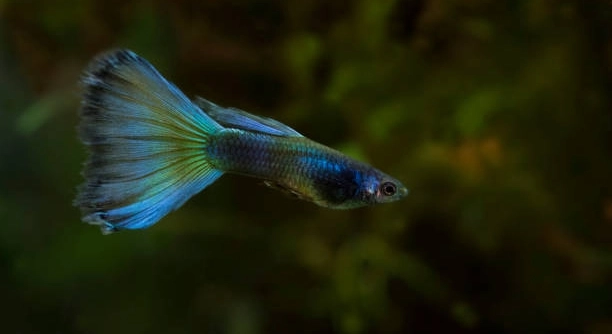
Guppy fry are delicate creatures that need special care to thrive. Their growth depends on maintaining a stable environment and providing proper nutrition. Ensuring their well-being from the start will help them grow into healthy adult fish.
Keeping guppy fry healthy involves providing them with the right water conditions, feeding them appropriate food, and avoiding stressors. Ensuring that the tank is free from predators, providing filtration, and maintaining proper temperature and pH levels are essential for their health.
By following these tips, you can ensure your guppy fry develop into strong, vibrant adults. Their health requires attention to detail and understanding of their unique needs.
Maintaining Stable Water Conditions
The health of your guppy fry heavily relies on stable water conditions. They are particularly sensitive to changes in temperature, pH, and ammonia levels. Make sure the water temperature stays between 76°F and 80°F to prevent any sudden shifts that could stress them. It’s important to regularly test the water’s pH and ammonia levels. A pH range of 7.0 to 7.5 is ideal for guppy fry. High ammonia or nitrate levels can lead to health problems, so use a good filtration system to help keep the water clean.
Proper filtration is key to maintaining a safe environment for your guppy fry. Clean water reduces the chances of infections and diseases, allowing your fry to grow strong and healthy.
If you don’t already, consider using a sponge filter for fry tanks. This type of filter prevents small fry from being sucked into the filter, which helps maintain both water quality and their safety. Regular water changes are also necessary to maintain optimal conditions.
Feeding Guppy Fry the Right Food
It’s important to provide the right food for your guppy fry. At first, they will need very fine food that’s easy for them to eat. Start with specially formulated fry food or crushed fish flakes. This ensures they get the nutrients they need to grow healthy and strong.
Feeding small amounts multiple times a day is key. Guppy fry have fast metabolisms, so they need constant access to food. Be careful not to overfeed, as uneaten food can pollute the water, leading to unhealthy conditions. You can also supplement their diet with tiny live foods like baby brine shrimp or daphnia. These foods offer additional nutrients and can stimulate growth.
If you’re growing them in a community tank, make sure the other fish don’t eat their food. Keeping fry separated from larger fish gives them a better chance to get the food they need without competition.
Avoiding Overcrowding
Overcrowding can cause stress and slow the growth of your guppy fry. Giving them enough space is essential for their well-being. Make sure there’s plenty of room for them to swim and develop at their own pace.
As guppy fry grow, they’ll need more space to move around. If the tank becomes too crowded, it can lead to stunted growth and increased aggression between the fry. Keeping the tank slightly larger than you think is a good idea. You can also consider dividing the tank into sections to prevent overcrowding.
Removing some of the fry when they are large enough can help ensure the remaining fry have enough room. This process also prevents overstocking the tank, which can lead to water quality problems and health risks.
Proper Tank Setup
A proper tank setup helps your guppy fry thrive. You’ll need a tank with a lid to prevent them from jumping out. Make sure the tank is well-aerated with a gentle filter that won’t harm the small fry.
Adding live plants to the tank offers hiding spots, which can make your fry feel safe. This reduces stress and allows them to grow at their own pace. Floating plants work well as they provide both cover and shade, creating a calm environment. Ensure the tank is well-lit but not too bright, as fry are sensitive to strong light.
Water Changes and Cleanliness
Frequent water changes are necessary for keeping your guppy fry healthy. Change around 25% of the water every few days, especially in a smaller tank. This prevents toxins from building up and maintains good water quality.
Cleaning the tank is just as important. Remove any uneaten food, debris, or waste that could pollute the water. Be gentle when cleaning, as fry are fragile and can be disturbed easily.
Avoiding Aggression
Even though guppy fry are small, they can experience aggression if not properly separated. Male fry, in particular, may start to show territorial behavior early on. To reduce aggression, keep the fry in groups and avoid overcrowding.
If you notice any aggression, consider separating the more dominant fry into different sections. This allows the weaker ones to grow without being stressed. A calm tank environment is essential for healthy development.
FAQ
How often should I feed my guppy fry?
Feed your guppy fry at least 3-4 times a day. They need constant access to food because they have a high metabolism. You can feed small amounts of food at each feeding, ensuring they don’t overeat. Be mindful of the water quality, as uneaten food can lead to poor conditions. Overfeeding can also cause the fry to grow slowly and harm their environment.
What is the best temperature for guppy fry?
Guppy fry thrive in temperatures between 76°F and 80°F. Keeping the water in this range promotes healthy growth and avoids stress. If the water is too cold, the fry may become lethargic and grow slowly. On the other hand, water that is too warm can lead to a decrease in oxygen levels, making it harder for the fry to breathe.
Do I need to separate the fry from adult fish?
Yes, it’s best to separate your guppy fry from adult fish. Adult guppies may see the fry as food, which can cause them harm. If you don’t have a separate breeding tank, you can use a breeding net or divider in the main tank to give the fry a safe space.
How can I tell if my guppy fry are healthy?
Healthy guppy fry are active swimmers and have clear, bright eyes. They should swim confidently and eat regularly. Any signs of lethargy, faded colors, or lack of appetite may indicate health problems. You should also check the water conditions regularly, as poor water quality can lead to illness.
Can I use a regular filter for my guppy fry tank?
Using a regular filter in a guppy fry tank can be risky. Standard filters tend to have strong currents that can harm small fry. It’s better to use a sponge filter, which provides gentle filtration and doesn’t suck up the fry. The sponge filter also helps maintain clean water without posing a threat to the fry.
When can I introduce adult guppies to the fry tank?
Guppy fry should be at least 4-6 weeks old before introducing them to the adult tank. By this time, they should be large enough to avoid being eaten by the adults. It’s also important to make sure that the fry are healthy and strong before moving them to a more crowded tank.
How do I prevent my guppy fry from getting sick?
To prevent illness in guppy fry, maintain clean water, avoid overcrowding, and feed them the right food. Regular water changes are essential, as is maintaining the correct water temperature and pH levels. Avoid overfeeding, as leftover food can contribute to water pollution and attract harmful bacteria.
What should I do if my guppy fry are not growing?
If your guppy fry aren’t growing, check the water quality and make sure the temperature is appropriate. Poor water conditions can stunt their growth. Additionally, make sure they are receiving enough food. Consider adding live foods like baby brine shrimp, which can help promote healthy growth and development.
Can I keep different types of fry together?
It’s best to keep only guppy fry together in the same tank, as other species may not thrive under the same conditions. If you plan on breeding other fish species, consider setting up separate tanks. Different fish may have different dietary and environmental needs that could affect the guppy fry’s growth.
What kind of plants should I keep in the fry tank?
Live plants such as Java moss or Hornwort are excellent choices for a guppy fry tank. They provide natural hiding places, help improve water quality, and give the fry a sense of security. These plants also absorb excess nutrients and prevent algae growth, keeping the tank healthier.
How long does it take for guppy fry to reach adulthood?
It takes about 3-4 months for guppy fry to reach adulthood. During this time, they will grow rapidly if provided with the right care, food, and environment. After about 4 months, they will be mature enough to start breeding and will have developed full color and fin shape.
Is it normal for some guppy fry to die?
Yes, it’s normal for some guppy fry to not survive, especially in the early stages. Fry can be fragile, and despite your best efforts, some may not make it due to genetic factors or environmental stress. However, providing the best care will maximize the chances of a healthy fry population.
Final Thoughts
Raising guppy fry can be a rewarding experience if you provide the proper care and environment. The key to success lies in maintaining clean water, feeding them the right food, and ensuring they have enough space to grow. By offering the right conditions, you can help your guppy fry develop into healthy, vibrant adults. Their growth can be fast, but it requires attention to detail and consistency in their care routine.
Monitoring water quality is essential throughout the process. Guppy fry are particularly sensitive to changes in their environment, so regular water testing and proper filtration are critical. Temperature, pH, and ammonia levels should be kept in check to avoid any harmful conditions. A sponge filter is a good option for fry tanks because it provides gentle water flow and keeps the water clean. Regular water changes also help to maintain a healthy environment, as any waste or leftover food can quickly degrade water quality.
Feeding guppy fry the right food is another important aspect of their care. Start with finely crushed flakes or specialized fry food, and offer small amounts several times a day. As they grow, you can introduce live foods like brine shrimp or daphnia to boost their health. It’s essential to avoid overfeeding, as this can lead to water pollution and other health issues. With the right care, your guppy fry will thrive and soon be ready to be introduced to a larger tank or sold to other aquarium enthusiasts.

Hello,
If you enjoy the content that we create, please consider saying a "Thank You!" by leaving a tip.
Every little bit helps us continue crafting quality advice that supports the health, happiness, and well-being of pets around the world, for pets of all shapes, sizes, and species.
We really appreciate the kindness and support that you show us!