
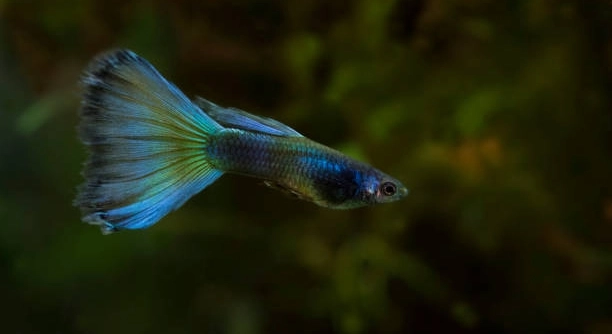
Guppies are small and colorful fish that thrive in the right environment. To maintain their well-being, it’s essential to consider the other fish they share their tank with. Tank mates can significantly impact guppies’ health and behavior.
Proper tank mates for guppies are important to prevent stress, aggression, and even harm. Guppies require peaceful, compatible fish to ensure their health, as unsuitable tank mates can disrupt their environment and lead to potential issues.
Finding the right companions for your guppies helps create a harmonious aquarium. Understanding which fish make the best partners will ensure a happy and healthy tank environment for all your aquatic creatures.
Why Guppies Need Compatible Tank Mates
When choosing tank mates for guppies, it’s crucial to find fish that complement their calm, peaceful nature. Guppies are social creatures and thrive in groups, but their well-being can be affected by aggressive or territorial fish. A tank filled with the right companions helps maintain a stress-free environment.
Fish like tetras, small catfish, and other peaceful species work well with guppies. These companions don’t pose a threat and can coexist peacefully, which is vital for the guppy’s mental and physical health.
Aggressive or larger fish can cause harm to your guppies. Fish that chase, nip, or outcompete guppies for food can stress them out. This stress can lead to health problems like weakened immune systems, making guppies more vulnerable to diseases. By selecting compatible tank mates, you create a harmonious aquatic environment where your guppies can thrive.
Types of Fish That Work Well with Guppies
Some fish species naturally coexist with guppies, helping to maintain the balance in your tank. Guppies get along best with small, peaceful species such as neon tetras, Corydoras catfish, and peaceful rasboras.
When choosing tank mates for guppies, make sure they don’t have a tendency to become aggressive. Some species, though small, can display territorial behavior that may stress your guppies. A peaceful environment ensures all the fish are happy and healthy.
Fish to Avoid with Guppies
Some species are best avoided when setting up a tank with guppies. Fish that are too large or aggressive can harm them. Species like bettas or cichlids are often incompatible due to their territorial nature and aggression. Guppies may end up stressed or injured.
Bettas, for example, are known for their aggressive behavior, especially toward other males. They can also attack smaller fish like guppies. Similarly, cichlids can be territorial and aggressive, which makes them a poor choice as tank mates. Even if these fish seem peaceful at first, their nature could lead to problems down the line.
Choosing tank mates for guppies requires careful consideration. Aggressive fish can create an environment where guppies feel threatened, impacting their health and well-being. It’s important to focus on species that complement the guppy’s peaceful temperament. A tank full of friendly fish creates a much more balanced and enjoyable space.
Importance of Tank Size and Space
Tank size plays a huge role in the success of any aquarium, especially for guppies. A larger tank ensures your guppies and their companions have enough space to swim, hide, and establish territories without feeling cramped.
Without sufficient space, fish can become stressed, which weakens their immune system and can lead to illness. Overcrowding increases competition for resources like food and oxygen, causing fights or stunted growth. When selecting tank mates for your guppies, ensure the tank is spacious enough for everyone to coexist comfortably. Proper tank size makes a big difference in their quality of life.
Feeding and Tank Mates Compatibility
When choosing tank mates, consider their feeding habits. Guppies are small and may struggle to compete for food with larger, more aggressive fish. It’s important that all species can eat without stress or competition.
Some fish are bottom feeders and can help clean up leftover food. Species like Corydoras catfish work well with guppies because they are peaceful and won’t steal food. Keep an eye on how your fish feed to make sure everyone gets their share without stress or aggression.
Stress Reduction for Guppies
A peaceful tank with compatible fish helps reduce stress. Guppies are more sensitive to stress than many other species, so it’s important to avoid any tank mates that cause tension. Stress can weaken their immune system and cause health issues.
To minimize stress, choose calm, non-aggressive tank mates and make sure the tank has plenty of hiding spots. This allows the guppies to feel safe when they need to rest. By creating a stress-free environment, your guppies will remain healthier and more active.
FAQ
Can guppies live with other fish?
Yes, guppies can live with other fish, but it’s essential to choose compatible species. Peaceful fish, such as tetras or rasboras, make good tank mates. Avoid aggressive or territorial species, as they can stress guppies or harm them. A peaceful, well-balanced tank ensures the well-being of all the fish.
Are guppies good community fish?
Guppies are generally excellent community fish. They are social and peaceful, making them suitable for tanks with other non-aggressive species. However, it’s important to avoid fish that might outcompete guppies for food or exhibit territorial behaviors. Maintaining a community with like-minded species helps guppies thrive.
What tank mates should be avoided for guppies?
Avoid aggressive species like bettas, cichlids, or large predatory fish. These fish may chase or harm guppies. Bettas are especially known for being aggressive, particularly toward other males. Larger fish may eat guppies or bully them, creating stress and potential harm.
Do guppies need to be in schools?
While guppies are social fish, they don’t necessarily need to be in large schools. However, having at least three to five guppies helps them feel secure and reduces stress. They enjoy the company of their own kind, and a small group makes them feel more comfortable in the tank.
What water conditions do guppies prefer?
Guppies thrive in slightly alkaline water with a temperature range of 72-82°F (22-28°C). The pH level should be around 7.0-8.0. It’s crucial to maintain a clean environment with proper filtration and water changes to ensure the health of guppies and their tank mates.
Can guppies live with goldfish?
Guppies and goldfish are generally not compatible. Goldfish are cold-water fish, while guppies need warmer water. Additionally, goldfish can be too large and slow-moving for guppies, and their feeding habits may outcompete guppies for food. It’s best to keep them in separate tanks.
Do guppies need special care?
Guppies are relatively low-maintenance fish but still require proper care. Regular water changes, clean tanks, and a well-balanced diet are essential. They are susceptible to stress and diseases, so it’s important to ensure their environment is peaceful, and their tank mates are compatible.
How do I prevent aggression in a guppy tank?
To prevent aggression, provide plenty of hiding spots and keep guppies in groups. Ensure that the tank mates are peaceful and non-territorial. Avoid overcrowding, as it can lead to stress and competition. Monitor interactions and remove any aggressive fish promptly.
Can guppies live with shrimp?
Yes, guppies can live with shrimp, as long as the shrimp are not too small. Shrimp like cherry shrimp or ghost shrimp often coexist peacefully with guppies. However, keep in mind that guppies may nibble on baby shrimp if they get hungry. Larger shrimp species are a better choice.
Do guppies require a filter?
Yes, a filter is highly recommended for guppy tanks. A filter helps maintain water quality by removing waste and preventing toxins from building up. Clean water is essential for the health of guppies and their tank mates. Make sure the filter is gentle enough not to harm the fish.
What should I feed guppies and their tank mates?
Guppies are omnivores and should be fed a balanced diet of flakes, pellets, and occasional live or frozen foods, such as brine shrimp. Their tank mates’ diet should be considered to avoid competition. Ensure all fish get adequate food without overfeeding, which can affect water quality.
Can guppies live with other livebearers?
Yes, guppies can live with other livebearers like mollies, swordtails, and platies. These species share similar water requirements and are generally peaceful. However, be cautious about overcrowding, as livebearers breed frequently, leading to potential issues with tank space and overpopulation.
How do I prevent overpopulation in a guppy tank?
Overpopulation in a guppy tank can happen quickly due to their frequent breeding. To prevent this, keep the male-to-female ratio balanced (one male for every two or three females). You can also consider using breeding traps or isolating pregnant females to control the population.
What do guppies need to stay healthy?
Guppies need clean water, proper nutrition, and compatible tank mates to stay healthy. Regular water changes, appropriate filtration, and a stress-free environment are key factors. A varied diet, including both plant and protein-based foods, helps keep them strong and vibrant.
Do guppies get along with bettas?
Guppies do not generally get along with bettas, especially males. Bettas are aggressive and may attack guppies, particularly the males, because of their vibrant colors. It’s best to avoid keeping bettas with guppies to prevent stress and potential harm.
Can guppies live with snails?
Guppies can live with snails, as long as the snails are not too large or aggressive. Snails help clean up leftover food and waste in the tank, benefiting the overall environment. However, avoid keeping snails that may outcompete guppies for food.
How often should I change the water in a guppy tank?
Water changes are essential for guppy health. It’s recommended to change 25-30% of the water weekly. This helps remove excess waste and toxins, keeping the environment clean. Make sure to use dechlorinated water and maintain the right temperature to avoid stressing the fish.
Can guppies live with cory catfish?
Yes, guppies and Corydoras catfish make excellent tank mates. Corydoras are peaceful bottom-dwelling fish that help clean up debris without disturbing the guppies. Both species have similar water requirements, and their peaceful nature ensures a harmonious tank environment.
How do I know if my guppies are stressed?
Stressed guppies may display abnormal behavior such as hiding, darting around the tank, or loss of appetite. They may also develop faded colors or show signs of illness. Reducing tank aggression, improving water quality, and adding hiding spots can help alleviate stress.
Are guppies hardy fish?
Guppies are considered hardy fish, but they are still susceptible to poor water conditions and stress. Maintaining proper water parameters and a peaceful tank environment helps them stay healthy. Regular maintenance and monitoring their behavior can prevent most health issues.
Final Thoughts
Guppies are lively and colorful fish that can thrive in a community tank, provided they have the right environment and compatible tank mates. They’re social creatures that enjoy the company of other peaceful fish, but it’s important to ensure that their tank mates won’t cause stress or harm. With the right care, guppies can live happily and peacefully alongside other species, making them a popular choice for hobbyists.
The key to success when keeping guppies with other fish is understanding their needs. Guppies do best in peaceful, well-maintained tanks with clean water and proper filtration. It’s important to consider the size, behavior, and feeding habits of potential tank mates to ensure that everyone gets along. By providing a peaceful environment with enough space, hiding spots, and proper care, you can create a thriving, stress-free community for all your fish.
In the end, the health and well-being of your guppies and their tank mates depend on the choices you make. Whether you’re setting up a new tank or adjusting an existing one, taking the time to research compatible fish and maintaining good water quality is essential. When you take these steps, your guppies will not only survive but will also thrive in their community tank, bringing vibrant color and life to your aquarium.

Hello,
If you enjoy the content that we create, please consider saying a "Thank You!" by leaving a tip.
Every little bit helps us continue crafting quality advice that supports the health, happiness, and well-being of pets around the world, for pets of all shapes, sizes, and species.
We really appreciate the kindness and support that you show us!