
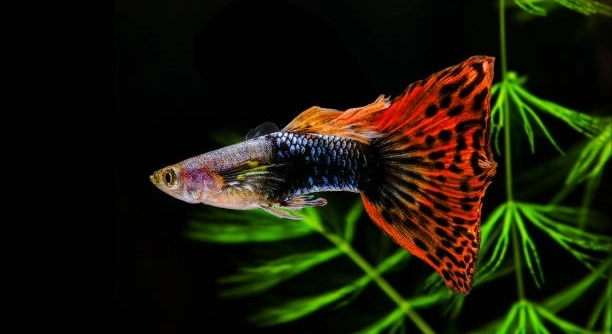
If you’ve noticed your guppy breathing heavily, it might be a sign that something isn’t quite right. Understanding the cause can help you fix the issue and keep your fish healthy.
Guppies may breathe heavily due to various factors, such as poor water quality, temperature changes, or stress. It could also be related to diseases, overcrowding, or insufficient oxygen levels in the tank.
There are a number of possible reasons behind this issue, and knowing them can guide you toward the right solution. Read on to learn how to help your guppy thrive.
Poor Water Quality
One of the most common reasons for heavy breathing in guppies is poor water quality. Fish depend on clean water to stay healthy, and any sudden change can stress them out. High levels of ammonia, nitrites, or nitrates in the tank can irritate their gills and make breathing harder. If the water’s pH or hardness is off, guppies might struggle to get enough oxygen. Regular water changes and using a good filtration system can keep things in check.
Make sure to test the water often for ammonia, nitrates, and pH levels. A proper filter helps maintain balance, but a test kit will ensure you catch any issues early.
To avoid stress from poor water quality, you should also keep the tank clean by removing excess food and waste. Over time, poor water conditions can lead to illness, which can also make your guppy breathe heavily. Routine maintenance, such as a 25% water change every week, can keep your guppy’s home healthy and safe.
High Water Temperature
High water temperature is another factor that can cause heavy breathing. Guppies are tropical fish and thrive in warmer water, but too much heat can make it difficult for them to breathe. When the water gets too warm, the oxygen level drops, forcing guppies to work harder to get air. Guppies typically do well in water temperatures between 75-82°F (24-28°C). Anything above this range could stress them out.
If the temperature is too high, use a thermometer to monitor it closely. An aquarium heater with an adjustable temperature setting can help maintain the right balance.
Stress
Stress can make your guppy breathe heavily, and it often stems from changes in the environment. Guppies are sensitive to sudden shifts, such as new tankmates, loud noises, or a tank that’s too crowded. When stressed, their breathing rate increases as they try to cope with the pressure.
Overcrowding is particularly hard on guppies. When too many fish are packed into a small space, the water quality deteriorates quickly, and oxygen levels drop. The added competition for air can leave guppies gasping for breath. It’s important to keep the tank size suitable for the number of fish you have.
Reducing stress can help keep your guppy healthy. Ensure that they have enough space to swim and avoid placing them in noisy or busy areas. It’s also helpful to add hiding spots in the tank, so your guppy can escape from any potential stressors. Giving your fish a calm, stable environment will reduce heavy breathing.
Insufficient Oxygen
If the oxygen levels in your tank are too low, your guppy will struggle to breathe properly. Guppies, like all fish, rely on oxygen dissolved in the water. If there’s not enough oxygen, they’ll try to get more by breathing faster and closer to the surface. This is why it’s crucial to ensure proper water circulation and aeration.
Adding an air pump or sponge filter can help increase oxygen levels in the tank. Regular water changes also help, as they introduce fresh water that contains more oxygen. In tanks that are densely stocked, oxygen may run low faster, so be mindful of how many fish you have.
If your guppy’s tank feels stuffy, it might be time to introduce better filtration or add more air flow. The goal is to keep the water moving, allowing oxygen to mix in effectively. This simple adjustment can prevent your guppy from gasping for air.
Diseases
Diseases can cause your guppy to breathe heavily, especially if they are suffering from gill infections or parasites. These illnesses often affect their ability to process oxygen, leading to faster and more labored breathing. Common diseases include velvet disease, columnaris, and gill flukes.
If your guppy has been exposed to poor water conditions or other stressed fish, they may develop infections. Look for signs like discolored gills, unusual swimming behavior, or visible lesions. Quarantining sick fish and treating them promptly can prevent the disease from spreading and help your guppy recover.
To avoid diseases, maintain clean water, feed your guppy properly, and prevent overcrowding. Regularly monitor your fish for early signs of illness and seek medical treatment if necessary.
Overfeeding
Overfeeding can also be a reason why your guppy is struggling to breathe. When there’s too much food in the tank, it can quickly decompose, affecting water quality and oxygen levels. Uneaten food increases waste, leading to higher ammonia levels and stress for your guppy.
To avoid overfeeding, only give your guppy what they can consume within a few minutes. Remove any leftover food promptly to prevent it from rotting and affecting water quality. A well-balanced feeding schedule helps maintain a clean and healthy tank.
Tank Size
The size of the tank directly impacts your guppy’s health. A small tank can quickly lead to poor water quality and limited oxygen, which forces your guppy to breathe harder. Ideally, a tank should have at least 5 gallons of water for every three guppies to ensure adequate space and oxygen flow.
FAQ
Why is my guppy breathing heavily at the surface?
If your guppy is breathing heavily at the surface, it could be because of low oxygen levels in the tank. When oxygen is scarce, fish will swim closer to the surface to get more oxygen. Adding an air pump or improving water circulation can help.
How do I know if my guppy is stressed?
A stressed guppy might display erratic swimming, hide more than usual, or breathe rapidly. Changes in color or fin clamping are also common signs. Stress can be caused by overcrowding, poor water quality, or sudden changes in the environment. Addressing these factors can reduce stress.
What is the ideal temperature for my guppy tank?
Guppies thrive in temperatures between 75-82°F (24-28°C). If the water is too warm or too cold, it can lead to stress and breathing problems. Use a reliable aquarium heater to maintain a consistent temperature and prevent any drastic fluctuations.
Can poor water quality cause heavy breathing in guppies?
Yes, poor water quality is one of the main reasons for heavy breathing. High ammonia, nitrites, or nitrates can irritate your guppy’s gills, making it harder for them to breathe. Regular water changes, using a good filter, and testing the water regularly can help maintain clean conditions.
How often should I change the water in my guppy tank?
To keep your guppy healthy, it’s recommended to change 20-25% of the water weekly. This helps remove waste, excess food, and chemicals that can build up and harm your fish. Don’t change all the water at once, as it can shock the system.
Can I use tap water for my guppy tank?
Tap water can be used, but it should be treated to remove chlorine and chloramine, which are harmful to fish. Use a water conditioner to treat the water before adding it to your tank. Also, check for any heavy metals in the water, as they can negatively impact your guppy.
What are the signs of a guppy suffering from a disease?
Diseases in guppies can present with several symptoms. You may notice unusual swimming behavior, discolored or swollen gills, lesions, or a lack of appetite. In some cases, the fish may rub against objects in the tank or have rapid breathing. Immediate treatment is crucial to prevent the disease from spreading.
How do I improve oxygen levels in my guppy tank?
To improve oxygen levels, add an air pump or sponge filter. These devices help create water movement and increase the oxygen exchange in the tank. Also, avoid overcrowding, as too many fish in a small space can reduce oxygen levels.
Can I add new fish to my guppy tank if they’re breathing heavily?
It’s best to avoid adding new fish if your guppy is already stressed or breathing heavily. New fish could introduce diseases or stress to the existing population. Wait until the current issue is resolved, and then carefully monitor the water quality and conditions before adding new fish.
Is it normal for guppies to breathe faster after feeding?
Yes, it’s common for guppies to breathe a little faster after eating, as digestion requires extra oxygen. However, if the breathing remains fast for an extended period or worsens, it could indicate poor water quality or another underlying issue. Keep an eye on the situation and monitor the tank conditions.
How can I prevent overcrowding in my guppy tank?
To prevent overcrowding, always ensure that you have enough space in the tank for each fish. A general guideline is one inch of fish per gallon of water. Overcrowding can lead to poor water quality, higher stress levels, and difficulty in maintaining oxygen levels, all of which can cause your guppy to breathe heavily.
Why does my guppy swim erratically and breathe heavily?
Erratic swimming and heavy breathing can be signs of stress or illness. It could be related to poor water quality, high temperatures, or diseases like columnaris or velvet disease. Check the tank’s water quality, temperature, and fish behavior to identify the cause.
How can I treat a sick guppy with heavy breathing?
To treat a sick guppy, first, isolate the fish in a separate quarantine tank to prevent the spread of disease. Perform water changes, ensure the water is at the right temperature, and treat for any specific diseases like gill flukes or parasites. Consult an aquarium professional or veterinarian for proper diagnosis and treatment.
Can heavy breathing in guppies be a sign of aging?
As guppies age, they may experience reduced energy levels and slower gill function, but this typically does not cause heavy breathing unless combined with other factors like water quality or illness. If your older guppy is breathing heavily, it’s best to check the water and look for other signs of stress or disease.
Should I be concerned if my guppy breathes heavily once in a while?
Occasional heavy breathing might not be a concern, especially after feeding or during a temporary environmental change. However, if it becomes frequent or is accompanied by other symptoms, like loss of appetite or discolored gills, it’s important to address potential underlying issues, such as water quality or disease.
Heavy breathing in guppies can be a sign of various issues, but with proper care, most problems can be addressed. Whether it’s due to poor water quality, stress, overcrowding, or temperature changes, understanding the cause is key to finding a solution. By keeping your tank clean, monitoring water parameters, and ensuring a stable environment, you can help your guppy thrive and avoid unnecessary stress.
Regular water changes, proper filtration, and monitoring oxygen levels can greatly reduce the chances of your guppy experiencing breathing problems. Additionally, providing a peaceful environment with enough space for each fish will help keep them comfortable and healthy. If your guppy does show signs of illness, prompt action—such as quarantine and treatment—can make all the difference in their recovery. Early detection of any problems is crucial in preventing further complications.
While heavy breathing is a concern, it doesn’t always mean the worst. In many cases, improving the conditions of the tank and monitoring your guppy’s behavior closely can lead to a quick recovery. Keeping a routine of water tests, regular tank maintenance, and mindful observation of your fish will allow you to catch any potential issues early. With these steps, you can ensure your guppy remains happy, healthy, and free from breathing troubles.

Hello,
If you enjoy the content that we create, please consider saying a "Thank You!" by leaving a tip.
Every little bit helps us continue crafting quality advice that supports the health, happiness, and well-being of pets around the world, for pets of all shapes, sizes, and species.
We really appreciate the kindness and support that you show us!