
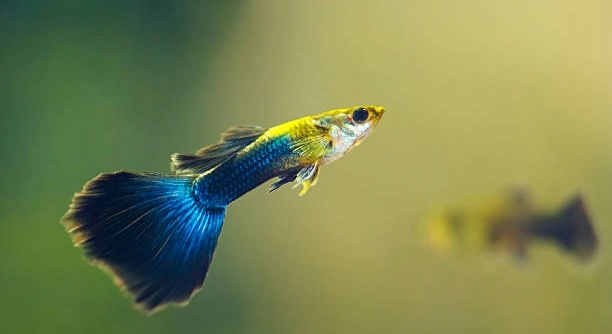
Guppies are active and playful fish, making it concerning when they refuse to eat. Their behavior may indicate something more than just finicky eating habits. Understanding the causes can help restore their appetite and health.
Several factors can cause guppies to refuse food, such as stress, water quality issues, or illness. External conditions like temperature, sudden changes in their environment, or an improper diet may also contribute to a lack of appetite.
Addressing these potential causes ensures your guppies stay healthy and happy in their environment.
Stress or Shock from Environmental Changes
Stress is a common reason for guppies refusing food. They are sensitive creatures, and sudden changes in their environment can make them anxious or disoriented. Moving to a new tank, introducing new fish, or even loud noises near their tank can cause them distress. This kind of stress may lead to a lack of appetite, leaving your guppies looking lethargic or unresponsive.
The stress of an environment that is not stable or comfortable will reduce their desire to eat. Keep their environment calm and quiet, with steady water conditions to help reduce stress. Any sudden changes should be done gradually, allowing the guppies to adjust.
Check the water parameters regularly, including temperature and pH levels. Temperature fluctuations or rapid changes in pH can stress guppies, making them reluctant to eat. Maintaining a stable and comfortable environment will help your guppies feel secure and promote a healthy appetite.
Poor Water Quality
Water quality is another major factor that can affect your guppies’ appetite. If the water contains toxins, excessive waste, or improper chemical balances, your guppies may refuse to eat. Regular water changes are essential to ensure a clean and healthy habitat.
High levels of ammonia, nitrates, or nitrites can be harmful to guppies. If left unchecked, these contaminants may cause fish to stop eating or even lead to serious health issues. Proper filtration and regular monitoring of water parameters are essential to prevent these problems from affecting your guppies.
Test your water regularly to ensure the levels of ammonia, nitrites, and nitrates remain within safe ranges. Keeping the water clean will reduce stress and improve your guppies’ health, allowing them to eat normally again. Always maintain an appropriate filtration system to keep toxins at bay.
Illness or Infection
Illness or infection is a significant cause of poor appetite in guppies. If your guppies are refusing food, it might be a sign of underlying health problems, such as bacterial infections or parasites. Keeping a close eye on their behavior and physical condition is crucial.
Signs of illness can include changes in swimming patterns, faded colors, or visible lesions. If you notice these signs, it’s important to isolate the affected fish to prevent the spread of infection. Consult with an aquarium professional or a vet specializing in fish to determine the cause of the issue.
Treating illness early is key to preventing it from worsening. Some infections can be treated with medications specifically designed for aquarium fish. Make sure to quarantine any sick fish and monitor water quality, as a clean environment aids recovery. In many cases, prompt intervention can help guppies return to their normal eating habits.
Overfeeding or Incorrect Diet
Overfeeding or providing the wrong type of food can lead to guppies refusing to eat. If they’re given too much food at once, they may feel overwhelmed or unable to finish it. Leftover food can also pollute the tank, further impacting their health.
It’s important to provide an appropriate portion of food for your guppies, as they are small fish with modest appetites. Offering food in small amounts, two or three times a day, ensures they don’t feel pressured to eat more than they can handle. Keep an eye on how much food remains in the tank, as uneaten food can quickly cause water quality issues.
In addition to portion control, make sure the food you provide is suitable for their diet. Guppies need a balanced diet with both plant and animal matter. A variety of flake food, freeze-dried options, and occasional live food can help stimulate their appetite and keep them healthy.
Temperature Stress
Temperature changes can cause guppies to stop eating. Guppies thrive in a consistent environment, with an ideal temperature range between 72°F and 82°F. Sudden temperature fluctuations or water that’s too hot or cold can make them feel stressed and reduce their appetite.
If the water temperature is not stable, guppies may become sluggish and avoid eating. Using a reliable aquarium heater and thermometer will help keep the water at the right temperature. Ensure the heater is functioning properly and adjust it as needed to maintain a stable environment for your guppies.
Tank Mates
Aggressive or overly active tank mates can intimidate guppies, making them feel threatened and less likely to eat. Guppies are peaceful fish and may become stressed if they’re housed with more dominant species or overly territorial fish.
Monitor interactions between fish in the tank and ensure no one is bullying your guppies. Aggressive fish may push guppies away from food or stress them to the point of not eating. If necessary, separate any aggressive species from your guppies to reduce their stress levels and encourage proper eating habits.
Wrong Tank Size
Having a tank that’s too small can cause guppies to refuse food. A cramped environment limits their swimming space and increases stress. Guppies need plenty of room to move around, which helps them stay healthy and active.
A proper tank size helps maintain a stable environment, with adequate water circulation and filtration. A 10-gallon tank is the minimum for a small group of guppies. If your tank is too small, they may feel stressed and not want to eat. A larger tank will provide them with the space they need to feel safe and comfortable.
FAQ
Why do guppies stop eating after being introduced to a new tank?
When guppies are moved to a new tank, they can experience stress due to unfamiliar surroundings. The change in water parameters, the presence of new tank mates, and even the shift in environment can affect their appetite. Guppies may need time to acclimate to the new conditions. Allowing them to adjust gradually, ensuring stable water conditions, and minimizing disturbances can help encourage them to eat again.
How can I tell if my guppy is sick?
Sick guppies often show clear signs of illness. These include lethargy, faded colors, abnormal swimming patterns, or lesions on their body. If your guppy is isolating itself, not eating, or seems unresponsive, these can be signs of illness. It’s essential to observe your fish closely and act quickly if you notice any of these symptoms. Quarantine any sick fish and consider consulting a vet for further treatment.
Can poor water quality cause guppies to refuse food?
Yes, poor water quality is one of the main reasons why guppies refuse food. Elevated ammonia or nitrite levels, high nitrate levels, or fluctuating pH can create an unhealthy environment that stresses fish. Guppies are sensitive to changes in their water, and if the conditions are poor, they may stop eating. Regular water changes and the use of a good filtration system are essential to keeping the water clean and promoting healthy eating habits.
What is the best temperature for guppies?
Guppies thrive in water temperatures ranging from 72°F to 82°F. Anything outside of this range can cause stress and make your guppies less likely to eat. The ideal temperature helps regulate their metabolism and overall health. Using a reliable aquarium heater and thermometer will allow you to maintain the right conditions and avoid sudden temperature fluctuations.
How often should I feed my guppies?
Guppies should be fed small portions two to three times a day. Overfeeding can lead to uneaten food polluting the water and causing water quality issues. A general rule is to feed them as much as they can eat within 2-3 minutes. Adjust feeding based on their size and appetite to maintain a healthy balance.
Can tank mates affect my guppy’s eating habits?
Yes, aggressive or overly active tank mates can impact a guppy’s eating habits. Guppies are peaceful fish, and if they feel threatened by more dominant or territorial species, they may avoid eating. Make sure the tank mates are compatible and monitor their interactions. If any fish are bullying your guppies, consider moving them to a different tank to reduce stress and improve eating behavior.
What should I do if my guppy has lost its color?
Loss of color in guppies can be a sign of stress, illness, or poor water quality. If your guppy is turning pale or losing its vibrant colors, check the water parameters and make sure the conditions are optimal. Stress from tank mates or changes in the environment can also cause this. In some cases, illness may cause discoloration. Observe your fish closely and treat any underlying health issues promptly.
Is it okay to feed guppies live food?
Yes, live food can be a beneficial part of your guppy’s diet. Offering small amounts of live food like brine shrimp, daphnia, or worms can help stimulate their appetite and provide essential nutrients. However, live food should not be the sole part of their diet and should be given in moderation to avoid overfeeding and to prevent any potential contamination.
Can I overfeed my guppies?
Yes, overfeeding is a common issue in aquariums. It can lead to uneaten food accumulating in the tank, polluting the water and increasing the risk of poor water quality. Overfeeding also puts unnecessary strain on your guppy’s digestive system and can cause health issues. It’s best to offer small amounts of food and remove any uneaten food after a few minutes.
Why are my guppies swimming at the surface but not eating?
If your guppies are swimming at the surface but not eating, it could be a sign of poor water quality, stress, or illness. Guppies often swim at the surface if oxygen levels are low or if there’s an issue with the water temperature. Check the water parameters to ensure they’re within the proper range. If the conditions are stable, observe for any signs of illness that might be affecting their behavior.
Final Thoughts
When guppies refuse to eat, it’s important to address the situation quickly to prevent further health issues. Guppies are usually quite resilient and will eat under normal conditions, but factors such as stress, poor water quality, or illness can cause them to stop feeding. Understanding the causes behind a lack of appetite is essential to solving the problem. By observing their behavior and keeping a close eye on tank conditions, you can identify what may be causing the issue and take action accordingly. Keeping your guppies in a stable, clean, and well-maintained environment will promote a healthier and more comfortable habitat for them to thrive in.
Regular maintenance of the tank is crucial to ensure that the water quality remains optimal for guppies. Performing routine water changes, monitoring the temperature, and ensuring proper filtration can help prevent many of the common causes of stress that affect appetite. It’s also important to feed your guppies the right amount and type of food. Overfeeding can lead to uneaten food rotting in the tank, which can affect both water quality and your guppy’s health. Providing a balanced diet and feeding small amounts throughout the day will help keep your fish healthy and engaged.
In most cases, addressing issues such as temperature stress, tank mates, and water quality will encourage your guppies to start eating again. If the problem persists, it’s a good idea to consult an aquarium professional or a veterinarian. Early intervention is key to resolving health issues quickly and effectively. Guppies are generally hardy fish, and with proper care, they will usually return to their normal eating habits. Always keep an eye on the behavior of your fish, and don’t hesitate to make adjustments to their environment if needed.

Hello,
If you enjoy the content that we create, please consider saying a "Thank You!" by leaving a tip.
Every little bit helps us continue crafting quality advice that supports the health, happiness, and well-being of pets around the world, for pets of all shapes, sizes, and species.
We really appreciate the kindness and support that you show us!