
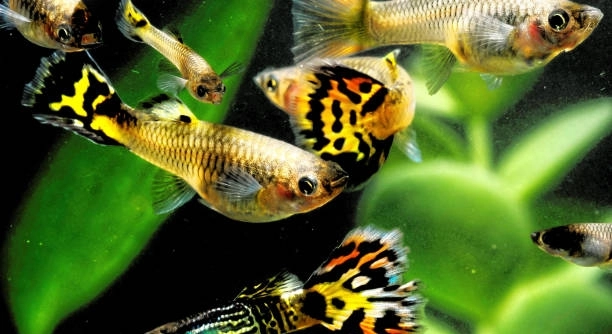
Determining the gender of your guppies can be tricky, but with the right approach, it becomes easy. Knowing the gender of your guppies helps manage breeding and their overall care more effectively.
Identifying guppy gender is simple by observing key physical traits. Male guppies are smaller, more colorful, and have a modified anal fin, while females are larger, less vibrant, and have a more rounded body shape.
Recognizing these gender differences will ensure a more successful breeding plan and better care for your guppies.
Observing the Tail Fin
One of the easiest ways to differentiate male and female guppies is by looking at their tail fin. Male guppies have a narrow, pointy tail that is often adorned with intricate colors and patterns. In contrast, female guppies possess a broader, more rounded tail fin. This distinction is especially noticeable when the guppies are swimming. If you observe your guppies from the side, the tail fin can give you a clear indication of their gender.
While the tail fin may seem subtle at first, it becomes more obvious as the guppy matures. The male’s tail will become more elongated and colorful, while the female’s will remain less vibrant and more solid in color.
This feature is quite reliable, especially when paired with other physical traits. By taking a close look at the guppies’ tails, you can easily start identifying their gender, leading to better care and understanding of their needs.
Examining the Body Size
Male and female guppies have noticeable size differences. Males are generally smaller, reaching about half the size of females. This difference is most apparent when both genders are kept in the same environment. The smaller size of the males allows them to move more swiftly, a helpful trait during mating behaviors.
Females, on the other hand, grow larger and bulkier. Their rounder bodies are indicative of the space needed for carrying eggs. This size difference is essential for breeders as it can help prevent accidental breeding and lead to healthier offspring.
Size is one of the clearest indicators of gender, particularly in well-fed guppies. Observing their growth patterns over time will make it easier to distinguish males from females, even without close inspection of other physical traits.
Looking at the Anal Fin
The anal fin of a guppy is another clear indicator of gender. Male guppies have a modified anal fin, known as a gonopodium, which is longer and more pointed. This fin is used for mating. Female guppies have a short, rounded anal fin, which is easier to spot.
The gonopodium in males is a defining characteristic, especially when observed during swimming or mating behavior. Females’ anal fins remain much shorter and more uniform. This physical difference is vital for breeders to distinguish between genders early on and manage their breeding habits accordingly.
The anal fin structure is one of the easiest gender indicators, especially when guppies are fully grown. As males mature, their gonopodium becomes more pronounced, making it easier to identify. While it might take some practice to spot, this trait is consistent and easily visible in healthy guppies.
Checking for Gravid Spots
Female guppies often display a gravid spot, a dark patch near their abdomen. This spot indicates pregnancy, though it’s not always present in non-pregnant females. It is one of the most obvious ways to identify females, especially when they are carrying eggs.
The gravid spot will grow darker and larger as the female guppy prepares to give birth. In contrast, males never develop a gravid spot, which makes this a reliable indicator. The absence of the gravid spot in males helps ensure there’s no confusion when identifying gender.
Mature females will have a noticeable gravid spot, especially if they’ve been recently bred. This feature will stand out as they carry more eggs and can help separate males from females in your tank. Checking for this spot regularly will make the process of identifying guppy gender much easier.
Observing the Behavior of Guppies
Male guppies are often more active than females. They swim rapidly and display colorful patterns to attract females. This behavior is part of their mating ritual, and males may chase females around the tank. In contrast, females tend to swim slower and in larger groups.
You will notice males constantly interacting with females, especially during mating periods. Their vibrant displays of color are aimed at impressing and courting females. This behavior is a strong indicator of male guppies. Observing these interactions will help you quickly identify gender differences without needing to rely solely on physical traits.
The Importance of Tail Shape
Another distinguishing feature between male and female guppies is their tail shape. Male guppies often have smaller, more pointed tails, while females have broader, rounder tails. This difference is visible when both genders swim side by side.
Males’ tails tend to be narrower, allowing them to swim quickly and chase after females. On the other hand, females’ broader tails help them maintain stability and maneuver more easily in the water. Recognizing this difference is another way to differentiate between genders.
FAQ
How can I tell if my guppy is male or female when they are babies?
Identifying gender in baby guppies can be difficult, as the physical differences between males and females aren’t as pronounced. However, males usually develop their vibrant colors and fin shapes earlier than females. At around 3-4 weeks, you might notice the male’s tail becoming more elongated and his colors becoming brighter. Female guppies will remain a duller color and have a rounder body shape.
When do guppies reach sexual maturity?
Guppies generally reach sexual maturity at about 2 to 3 months of age. Male guppies tend to mature earlier, around 6 to 8 weeks, while females take a little longer. Once matured, males begin to show off their colorful patterns and the modified anal fin (gonopodium), while females develop a more rounded body and may show a gravid spot.
Can male guppies change color?
Yes, male guppies can change color, especially during mating periods. Their colors may become more vibrant to attract females. Environmental factors like lighting and diet can also impact the brightness of a male’s coloration. Stress can sometimes cause colors to fade, but under normal conditions, their colors should remain vibrant.
Why are my male guppies so aggressive?
Male guppies can appear aggressive, especially when competing for the attention of females. This behavior often involves chasing, flaring their fins, and attempting to display their vibrant colors. It is part of their natural mating behavior. If the aggression is excessive, consider adding more hiding spaces in the tank or increasing the number of females to reduce competition.
Can I keep both male and female guppies in the same tank?
Yes, male and female guppies can be kept together in a tank. However, if you do not want them to breed, it’s best to keep them in a ratio of one male for every two or three females to reduce the stress on individual females. If you allow them to breed, be prepared for the rapid growth of fry (baby guppies), as females can store sperm for several months and produce multiple batches of offspring.
How long do guppies live?
Guppies typically live 2 to 3 years, although their lifespan can vary depending on water quality, diet, and tank conditions. Some guppies may live slightly longer, but poor water conditions or lack of proper care can shorten their lifespan significantly. Regular water changes and a balanced diet will help them live healthier, longer lives.
How can I breed guppies?
Breeding guppies is relatively easy, as they are livebearers. Simply house males and females together in a well-maintained tank with plenty of hiding spots. After mating, the female will give birth to live fry in about 4 to 6 weeks. Be sure to separate the fry from adult guppies to prevent them from being eaten.
Do guppies need a heater in their tank?
Yes, guppies are tropical fish and require a water temperature between 72°F and 82°F (22°C to 28°C) to thrive. A heater ensures the water stays within the ideal range. If the water is too cold, guppies may become stressed or ill, which can negatively affect their health and lifespan.
What is the best food for guppies?
Guppies are omnivores and will eat a variety of foods, including flakes, pellets, and live or frozen foods like brine shrimp and daphnia. A balanced diet that includes both plant-based and protein-rich foods is essential for their health. You can also offer them blanched vegetables like spinach or zucchini as a supplement.
Can guppies live with other fish?
Guppies can live with many other peaceful species, such as tetras, mollies, and swordtails. However, avoid placing them with aggressive or large fish, as they can stress out or even harm the smaller guppies. Always consider the temperament and size of potential tank mates before adding them to your aquarium.
How can I tell if a female guppy is pregnant?
A pregnant female guppy will develop a gravid spot, which is a dark area near her abdomen. This spot will grow larger and darker as the female prepares to give birth. Additionally, her belly will appear swollen, and she may swim slower or more awkwardly. Once she is about to deliver, you may notice her becoming more restless.
How often should I feed my guppies?
Feed your guppies 2-3 small meals a day. It’s important not to overfeed, as excess food can pollute the water. A healthy feeding routine helps maintain water quality and keeps guppies healthy. Feed only what they can consume in 2-3 minutes, and avoid leaving leftover food in the tank.
What should I do if my guppy isn’t eating?
If your guppy isn’t eating, check the water quality first. Poor water conditions can cause stress or illness, which may reduce their appetite. Ensure the temperature, pH, and ammonia levels are within acceptable ranges. You can also try offering different types of food, such as live or frozen options, to entice them.
Do male guppies have a mating season?
Male guppies do not have a specific mating season. They are ready to breed year-round, provided the conditions are right. However, they are more active in displaying their colors and courting females during certain times, especially in tanks with stable water conditions and a healthy ratio of males to females.
Why are my guppies not breeding?
If your guppies are not breeding, check for several factors. The water temperature may be too cold, or the males may not be displaying enough vibrant colors. Stress, overcrowding, or insufficient food can also inhibit breeding. Providing a proper environment, with plenty of hiding spots for females, should encourage breeding.
Final Thoughts
Identifying the gender of guppies is a straightforward task once you know what to look for. The differences between males and females are often clear, particularly as the fish mature. Male guppies are typically smaller and more colorful, with distinctive fins that make them stand out. In contrast, females tend to be larger and less colorful, with rounder bodies and often a gravid spot if they are pregnant. These visible characteristics make it easier to differentiate between the sexes and understand their behavior in the tank.
Understanding the gender of your guppies can help with tank management, breeding, and overall care. Knowing whether you have a male or female can assist in preventing overbreeding, which can lead to overcrowding in the tank. Additionally, by observing the behavior of male guppies, such as their courtship rituals, you can better understand their needs and how to provide an environment that supports their natural instincts. Ensuring you have a balanced ratio of males to females will help reduce stress on female guppies, which can improve their health and well-being.
In summary, identifying guppy gender is essential for their proper care. Whether you’re breeding guppies or simply keeping them as pets, recognizing the subtle differences between males and females allows for better management. It also makes it easier to spot any potential health issues, as each gender may experience different challenges in a tank. By using the tips and techniques mentioned, you can confidently identify and care for your guppies, ensuring they thrive in their aquatic environment.

Hello,
If you enjoy the content that we create, please consider saying a "Thank You!" by leaving a tip.
Every little bit helps us continue crafting quality advice that supports the health, happiness, and well-being of pets around the world, for pets of all shapes, sizes, and species.
We really appreciate the kindness and support that you show us!