
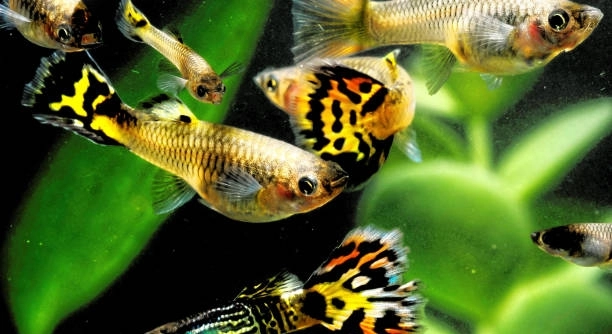
Are your guppies suddenly rubbing against objects in the tank or showing quick, twitchy movements that seem unusual? It can be worrying to see these small changes in their behavior without understanding the cause behind them.
Flashing in guppies is most often caused by skin or gill irritation, usually linked to parasites, poor water quality, or stress. This behavior is a physical response where the fish attempts to relieve discomfort by rubbing against surfaces.
Understanding the possible reasons behind flashing can help you create a healthier environment for your guppies and prevent further issues in your tank.
Poor Water Quality
Poor water quality is one of the most common reasons why guppies flash. When ammonia or nitrite levels rise, it irritates their skin and gills. This irritation causes them to rub against objects to find relief. Even small imbalances in water parameters can have a noticeable effect on guppy behavior. Unclean tanks, infrequent water changes, and leftover food can quickly pollute the water. Guppies are sensitive to these changes and respond in ways that help them cope, like flashing. Regular maintenance helps keep their environment stable. Testing the water weekly and doing partial water changes can go a long way.
Flashing can often stop once clean water conditions are restored. It’s important to act quickly before stress leads to illness.
Maintain proper filtration and avoid overfeeding. Make sure to remove uneaten food and vacuum the substrate during water changes. Clean water makes a big difference in how healthy and active your guppies feel.
External Parasites
External parasites can cause guppies to flash, especially when they attach to the gills or skin. These parasites are invisible to the eye at first, but the discomfort they cause is easy to notice through changes in behavior.
One of the more common parasites in guppies is Ichthyophthirius multifiliis, also known as ich or white spot disease. It appears as tiny white dots on the body or fins and can spread quickly if not treated. Flukes are another common issue, especially gill flukes, which are hard to spot without a microscope. These parasites cause significant discomfort, leading to repeated flashing and heavy breathing. They often enter the tank through new fish, live plants, or even contaminated water. Quarantining new additions and maintaining tank hygiene are key ways to reduce the risk. If parasites are confirmed, specific medications designed for freshwater tanks should be used following proper dosage instructions.
Skin Irritation from Decorations or Substrate
Sometimes guppies flash because something in the tank is physically bothering them. Rough decorations, sharp gravel, or certain artificial plants can irritate their skin, making them rub to ease the discomfort.
Check tank decorations for jagged edges or rough textures that might harm your guppies. If the substrate is too sharp or made from coarse materials, it could scratch them as they swim close to the bottom. Choose smoother gravel or soft sand to reduce irritation. Also, rinse all new decorations thoroughly before adding them to the tank, as dust or chemicals from packaging can cause reactions in sensitive fish. If your guppies start flashing after you’ve added something new, consider removing or replacing it. A gentle, clean setup helps prevent small injuries that can become infected or cause stress.
Flashing can often be reduced simply by swapping out harsh materials for gentler ones. Avoid overly bright, painted, or plastic items that could peel over time. Natural-looking rocks, smooth driftwood, and silk plants are better options. Keep in mind that guppies are active swimmers and brush against their surroundings often. It’s important that everything in their tank supports safe movement. A clean and soft environment helps them stay calm and comfortable.
pH Imbalance
A sudden shift in pH levels can irritate your guppies, causing them to flash in response. Stable pH is more important than aiming for a specific number, especially if changes happen quickly or often.
Guppies do best in water with a pH between 6.8 and 7.8, but more important than the exact value is keeping it consistent. Sudden drops or spikes in pH can stress their immune system and lead to flashing. This often happens after large water changes, especially if the tap water has a different pH than the tank. Testing your water regularly can help catch small shifts before they become a problem. Use a quality test kit and check both the tank and tap water. If the pH is too low or too high, use natural buffers or conditioners designed for aquarium use to gently adjust it. Avoid quick fixes, and always make gradual changes to protect your guppies.
Stress from Tank Mates
Aggressive or fast-moving fish can stress out guppies. If they feel constantly chased or bullied, flashing may be a reaction to that stress. Guppies need calm tank mates to feel secure and act normally.
Avoid keeping them with fin-nippers or much larger fish. Even playful chasing can become stressful over time.
Low Oxygen Levels
When oxygen is low, guppies may flash as they try to cope with the discomfort. This often happens in overstocked tanks or tanks with poor surface agitation. You may also notice gasping at the surface or rapid gill movement.
Make sure your filter provides enough surface movement to support oxygen exchange. Adding an air stone can help too, especially in warm tanks where oxygen levels drop faster. Warmer water holds less oxygen, so if your tank runs hot, keep an eye on behavior and breathing. Clean filters regularly and avoid overcrowding. Live plants can help boost oxygen, but don’t rely on them alone. Check that everything is working properly so your guppies stay healthy and stress-free.
Overuse of Treatments
Too many chemical treatments or frequent dosing can irritate guppies and trigger flashing. Only treat when necessary, and always follow the directions carefully. Over-medicating can harm fish more than help.
FAQ
Why do my guppies flash all of a sudden?
Flashing can start suddenly if there’s a change in water quality, like ammonia or nitrites spiking. It may also occur if there’s a new parasite or skin irritation from rough decorations. Stress from changes in tank mates, or even a shift in pH, can also cause flashing. If you notice this behavior, check your water parameters, inspect the tank for any new irritants, and make sure your guppies feel safe in their environment.
Can flashing be a sign of illness?
Yes, flashing can sometimes be a symptom of illness, especially when caused by parasites. External parasites like ich or flukes irritate the skin and gills, causing flashing. Bacterial or fungal infections may also lead to similar symptoms. If flashing is accompanied by other signs like lesions, fading color, or heavy breathing, it’s important to treat the fish promptly. A visit to a local pet store or aquatic vet may be necessary for proper diagnosis and treatment.
How can I tell if my guppies are stressed?
Stressed guppies may flash, hide more often, or swim erratically. They may also stop eating or display abnormal behaviors like rapid gill movement. Stress can come from various sources like aggressive tank mates, water quality issues, or overfeeding. Check your water parameters, monitor the behavior of other fish, and remove any aggressive tank mates if needed. Provide hiding spots like plants or caves to make your guppies feel more secure.
Can flashing go away on its own?
Flashing can go away if the cause is temporary, like mild water quality issues or minor irritation. However, if the flashing continues for days or worsens, it’s a sign something is wrong. If your guppies are flashing due to parasites, stress, or illness, intervention will likely be needed. Always monitor your fish’s behavior and tank conditions closely. If flashing continues, take action to fix the environment and treat any potential health problems.
What water parameters should I focus on for guppies?
For healthy guppies, aim for a temperature between 72°F to 78°F, a pH level between 6.8 and 7.8, and a hardness of 10-15 dGH. Keep ammonia and nitrite levels at 0 ppm, and nitrates below 20 ppm. Regular testing of these parameters can help catch issues before they become a problem. If you notice abnormal flashing, recheck your water to see if something is off. Consistent water changes are crucial to maintaining a stable environment for your guppies.
Are some guppies more prone to flashing than others?
While all guppies can flash, some may be more sensitive to changes in water conditions or stress. Guppies that are newly introduced to a tank may experience more flashing until they adjust. Additionally, younger or weaker guppies might be more affected by parasites or poor water quality. Keeping your tank environment stable and free from stressors can reduce the likelihood of flashing in all guppies.
How do I treat flashing caused by parasites?
If your guppies are flashing due to parasites, you’ll need to treat them with a suitable medication. First, isolate infected fish to prevent the spread of parasites. There are specific treatments for ich, flukes, and other common parasites found in freshwater tanks. Follow the medication instructions carefully to avoid harming your guppies or disrupting the balance in your tank. You may need to raise the temperature slightly to speed up the parasite life cycle, which can help the medication work more effectively. It’s also important to remove any organic matter or debris that might house parasites.
Can flashing happen in new aquariums?
Yes, flashing can occur in new aquariums, particularly if the tank hasn’t fully cycled yet. New tanks often have fluctuating water parameters, and ammonia or nitrite spikes are common during the early stages. Guppies may flash in response to these changes. It’s important to test the water regularly and perform partial water changes if necessary. Once the tank stabilizes and the nitrogen cycle is complete, flashing should decrease. Be patient and avoid adding too many fish too quickly.
How often should I clean my tank to prevent flashing?
To avoid flashing caused by poor water quality, clean your tank regularly. Perform partial water changes at least once a week, and clean the substrate to remove any debris or leftover food. Check and clean your filter every 4-6 weeks to ensure it’s working properly. If you’re dealing with flashing, clean the tank more often until the issue is resolved. Keeping your tank free from waste and excess nutrients helps reduce stress on your guppies and minimizes the chance of flashing.
Is flashing in guppies normal during breeding?
Flashing can sometimes occur when guppies are breeding, especially if the males are chasing females or engaging in mating behavior. However, flashing should not be excessive or continuous. If the flashing is paired with signs of stress, injury, or illness, it’s best to look into potential water quality issues or parasites. When guppies breed, ensure there are enough hiding places for females to avoid being harassed. If flashing continues after the breeding behavior has passed, it could signal a different issue that needs to be addressed.
Can flashing be caused by overfeeding?
Yes, overfeeding can contribute to flashing, particularly if it leads to poor water quality. Leftover food that decomposes in the tank can cause ammonia spikes, which irritate the fish and cause them to flash. It’s important to feed guppies small amounts they can consume within a few minutes. Regularly remove any uneaten food to prevent it from polluting the water. Reducing feeding and ensuring a clean tank can help decrease flashing caused by overfeeding.
Final Thoughts
Flashing in guppies can be concerning, but understanding the possible causes behind it can help you address the issue effectively. Often, flashing is a sign that something in the environment is causing discomfort for your fish. Whether it’s poor water quality, parasites, or physical irritation from tank decorations, pinpointing the source of the problem is the first step toward a solution. By closely monitoring your tank and fish, you can catch issues early and prevent them from getting worse.
One of the best things you can do to prevent flashing is to maintain a stable and clean tank environment. Regular water changes, testing water parameters, and ensuring your fish are not stressed by aggressive tank mates or overcrowding can go a long way in keeping your guppies healthy. Pay attention to the little details, such as rough decorations or sharp substrate, which can cause irritation and make your guppies uncomfortable. Taking care of these factors will help your fish feel more secure and less likely to flash.
If flashing continues despite your efforts to improve water quality and remove irritants, it may be necessary to treat for parasites or consult an expert. Always be cautious when introducing new fish, plants, or decorations into the tank, as these can sometimes bring in unwanted pathogens. By keeping a close eye on your fish’s behavior and making necessary changes to their environment, you can reduce the likelihood of flashing and ensure your guppies thrive in a healthy, comfortable tank.

Hello,
If you enjoy the content that we create, please consider saying a "Thank You!" by leaving a tip.
Every little bit helps us continue crafting quality advice that supports the health, happiness, and well-being of pets around the world, for pets of all shapes, sizes, and species.
We really appreciate the kindness and support that you show us!