
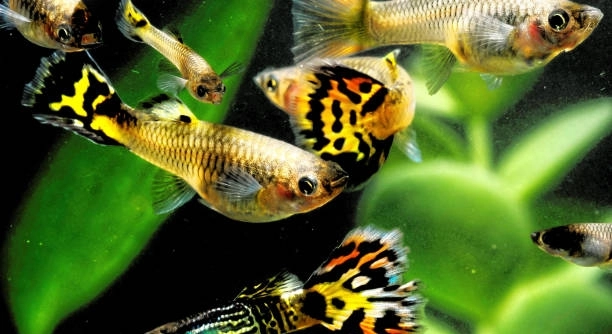
Some guppy owners may find themselves frustrated when their fish refuse to breed. This can happen for various reasons that affect their behavior and health. Understanding these factors is key to resolving the issue.
The main causes of guppies refusing to breed typically include environmental stress, water quality issues, improper diet, and incompatible tank mates. Additionally, low temperatures, overpopulation, or the lack of a proper breeding setup can hinder successful breeding.
Addressing these causes will help you create a suitable environment for your guppies to thrive and breed successfully.
1. Stressful Tank Conditions
Stress can significantly impact your guppies’ willingness to breed. If they feel threatened or uncomfortable in their environment, they may not exhibit breeding behavior. Stress factors include aggressive tank mates, overcrowding, or sudden changes in water conditions. When guppies are stressed, they tend to avoid reproduction to conserve energy.
Inadequate space for guppies can also increase stress. When tank space is limited, fish may feel cramped, leading to anxiety. Additionally, aggressive fish can cause tension, making the guppies less likely to breed. Stress levels rise when the fish cannot find a quiet space to relax.
To resolve this, ensure your guppies have enough space to swim and hide. Keep the tank peaceful by selecting compatible tank mates. A peaceful and spacious environment promotes relaxation and reduces stress, allowing your guppies to breed.
2. Poor Water Quality
Water quality plays a crucial role in guppy breeding. Poor water conditions, including high levels of ammonia, nitrites, or nitrates, can prevent breeding. If your guppies are exposed to these harmful chemicals, they are more likely to become stressed and less inclined to breed.
Proper filtration, regular water changes, and monitoring water parameters are essential. Guppies thrive in clean water, with a temperature between 72°F and 82°F. It’s also important to maintain a pH level between 6.8 and 7.8, as fluctuations can interfere with breeding.
To maintain good water quality, clean the tank regularly and test the water for harmful substances. Keep the temperature and pH level stable to support healthy fish that are more likely to breed.
3. Inadequate Diet
Diet plays a key role in encouraging guppies to breed. A well-balanced diet helps maintain the overall health of your fish and supports their reproductive system. Guppies require a mix of high-quality flakes, pellets, and occasional live foods like brine shrimp or daphnia to stay healthy and active.
When guppies lack essential nutrients, their ability to breed can be hindered. A poor diet can cause malnutrition, which affects the fish’s overall health, making breeding less likely. Be sure to provide a varied diet that includes proteins, vitamins, and minerals necessary for proper development.
A properly nourished guppy will be healthier, more vibrant, and more likely to breed. Offering high-quality foods ensures your guppies are getting the nutrition they need to feel comfortable and ready to reproduce.
4. Incorrect Water Temperature
Water temperature affects guppy breeding behavior. If the water is too cold or too hot, your guppies may not breed. Ideal temperatures range between 72°F and 82°F. Temperatures outside this range can stress guppies and prevent them from breeding.
To maintain the right temperature, use a reliable aquarium heater. Ensure the heater is set to the proper temperature for guppies. Regularly check the water temperature using a thermometer. Keeping the tank at a stable, comfortable temperature ensures your guppies are in the right conditions to breed.
Avoid sudden temperature changes as they can cause stress. Gradual adjustments are safer, allowing guppies to acclimate. Stable water temperatures create a peaceful environment where your guppies will feel comfortable enough to breed.
5. Overcrowded Tank
Overcrowding a tank with too many fish can hinder breeding. When there’s not enough space for your guppies to move freely, they may not breed. Crowded conditions can increase stress and lead to fighting, which further discourages reproduction.
Ensure you have enough room for each fish. A general rule is to allow 1 inch of fish per gallon of water. In an overcrowded tank, guppies will become stressed, which lowers their breeding chances. A tank with fewer fish allows for better social interactions and less competition for resources.
Overcrowding may also cause water quality problems. With more fish, waste builds up faster, which can affect water conditions. Clean water and ample space will create a peaceful, comfortable environment for your guppies to breed successfully.
6. Incompatible Tank Mates
Incompatible tank mates can prevent guppies from breeding. Aggressive or territorial fish may intimidate guppies, causing them stress. This can result in guppies avoiding each other and reducing the likelihood of breeding.
Carefully select peaceful fish species to share the tank with guppies. Avoid aggressive species that could harm or chase guppies, as this increases stress. Guppies thrive in tanks with peaceful cohabitants, encouraging a calm environment where they feel safe enough to breed.
Maintaining compatibility between tank mates ensures guppies can interact comfortably. This promotes better breeding conditions, as guppies can focus on reproduction rather than defense.
7. Lack of Proper Breeding Setup
Without a proper breeding setup, guppies may refuse to breed. A dedicated breeding area with plants or decorations to hide behind will make guppies feel more secure. This encourages breeding behavior.
For breeding, provide places for females to hide from males when they need a break. Guppies prefer privacy during reproduction, and having a setup that includes small plants or breeding nets can help. A designated area reduces stress, allowing the guppies to focus on reproduction instead of feeling threatened.
Creating a suitable breeding space ensures that your guppies will feel safe and comfortable. This environment boosts the chances of successful breeding.
FAQ
What temperature should my guppies’ tank be for breeding?
Guppies breed best in temperatures between 72°F and 82°F. Keeping the water within this range will help them feel comfortable enough to reproduce. If the water is too cold, guppies may become sluggish and inactive, while too much heat can cause stress. A stable, moderate temperature is key.
Can I use a regular tank filter for breeding guppies?
Yes, you can use a regular tank filter, but it’s important to ensure the water flow isn’t too strong. Guppies prefer calm water during breeding. A filter with adjustable flow can help maintain water quality without disturbing the fish. Keep the filter clean and check water parameters regularly.
How often should I feed my guppies to encourage breeding?
Feeding your guppies a balanced diet is essential. Offer food once or twice a day, focusing on high-quality flakes, pellets, and occasional live foods like brine shrimp or daphnia. Overfeeding can lead to water quality problems, so give only what the guppies can consume in a few minutes.
Why is my female guppy not getting pregnant?
Several factors may prevent a female guppy from getting pregnant. These include poor water quality, stress, an inappropriate tank environment, or an unhealthy diet. Male guppies may also not be showing enough interest, or the female might be too young or stressed to breed.
Can guppies breed without a male?
No, guppies need a male to fertilize the eggs of the female. However, females can store sperm for up to several months after mating, allowing them to produce offspring without further male interaction. If a female hasn’t mated recently, she may not produce fry.
What should I do if my guppy is not showing interest in breeding?
If your guppy isn’t showing interest in breeding, check the tank conditions first. Ensure the water quality is high, the temperature is stable, and there’s enough space for all fish. Also, make sure the guppy’s diet is well-rounded, and consider separating any aggressive tank mates.
How long does it take for guppies to breed?
After mating, guppies typically give birth to fry within 21-30 days. The gestation period can vary slightly based on factors such as water temperature, diet, and the overall health of the female. Warmer temperatures usually speed up the process.
How can I tell if my female guppy is pregnant?
Pregnant female guppies often have a dark spot near their anal fin, known as the gravid spot. As pregnancy progresses, this spot will become darker and larger, and the female’s belly will visibly expand. You might also notice the female swimming slower due to the added weight.
Should I separate pregnant guppies?
Separating pregnant guppies can be beneficial to prevent them from being stressed by other tank mates. A separate breeding tank or a breeding box within the main tank will give the female a peaceful space to give birth. This also helps protect the fry from being eaten.
How do I care for baby guppies once they’re born?
Once the fry are born, transfer them to a separate tank or breeding box to prevent them from being eaten by adults. Feed them high-quality liquid fry food or finely crushed flakes. Maintain good water quality and ensure the tank is properly heated.
Can my male guppy overbreed the female?
Male guppies are persistent breeders and may chase females continuously. While this doesn’t physically harm the female, it can cause stress. Ensure that the tank is large enough and that the female has places to hide if she needs a break from constant attention.
How many guppy fry can a female produce?
A healthy female guppy can give birth to between 20 and 50 fry, depending on her size and age. Some females may produce fewer, while others can have larger batches. Younger females usually have smaller litters, while older females may give birth to more fry.
Why are my guppy fry dying after birth?
Fry death can result from poor water quality, inappropriate temperature, or insufficient food. Newly born fry are fragile and require clean, warm water with no strong currents. Ensure the water is free of toxins, and provide appropriate food in small, frequent amounts.
How long do guppies live?
Guppies typically live for around 2 to 3 years. However, their lifespan can be influenced by water conditions, diet, and stress. To maximize their life expectancy, ensure they are housed in a stable, clean environment with a proper diet and compatible tank mates.
Can I breed guppies in a community tank?
Breeding guppies in a community tank is possible, but it requires careful planning. The tank should be peaceful, and you should monitor the guppies closely to prevent them from being stressed. Ensure the water quality is ideal, and be prepared to separate pregnant females into safer breeding spaces.
Why do my guppies refuse to mate?
Guppies may refuse to mate due to various reasons, including poor water conditions, inappropriate tank mates, overcrowding, or lack of space. Stress is one of the biggest factors that can affect mating. Ensure the tank environment is ideal and that the fish are healthy and comfortable.
Do I need to remove the male guppy after mating?
Removing the male guppy after mating is not necessary, but it might be a good idea if the female is constantly chased. Female guppies can store sperm for several months, meaning they can continue to give birth without the male present. Removing the male can reduce stress on the female.
How do I ensure that my guppies breed successfully?
To ensure successful breeding, maintain optimal water quality, keep the temperature stable, and provide a healthy diet. Make sure your tank isn’t overcrowded, and select peaceful tank mates. A proper breeding setup with hiding spots for females will also help create a safe and conducive environment.
Final Thoughts
Breeding guppies can be a rewarding experience, but it requires attention to detail and patience. By ensuring the right water conditions, such as temperature and pH levels, you create an environment where your guppies feel comfortable and safe. Regular water changes, proper filtration, and monitoring the tank conditions can make a significant difference in their breeding success. It’s important to understand that various factors, such as stress, overcrowding, and incompatible tank mates, can affect whether your guppies will breed. A peaceful, clean tank is essential for encouraging healthy breeding behaviors.
Diet also plays a crucial role in guppy breeding. Providing high-quality food with a balance of protein, vitamins, and minerals will keep your guppies healthy and more likely to breed. Both males and females benefit from a varied diet, as it supports their overall health and reproductive systems. Additionally, ensuring that your guppies are not overfed is vital, as it can lead to poor water quality, which affects breeding chances. Keeping a consistent feeding routine can also prevent unnecessary stress and help maintain the right energy levels in your guppies.
Lastly, patience is key when breeding guppies. It may take time before you start seeing results, and not every attempt will lead to successful breeding. Monitoring your tank and making adjustments as needed will increase the chances of successful reproduction. If you are dealing with consistent breeding challenges, re-evaluating the tank setup and the fish’s overall health will help address underlying issues. Breeding guppies requires understanding their needs, maintaining their environment, and allowing nature to take its course.

Hello,
If you enjoy the content that we create, please consider saying a "Thank You!" by leaving a tip.
Every little bit helps us continue crafting quality advice that supports the health, happiness, and well-being of pets around the world, for pets of all shapes, sizes, and species.
We really appreciate the kindness and support that you show us!