
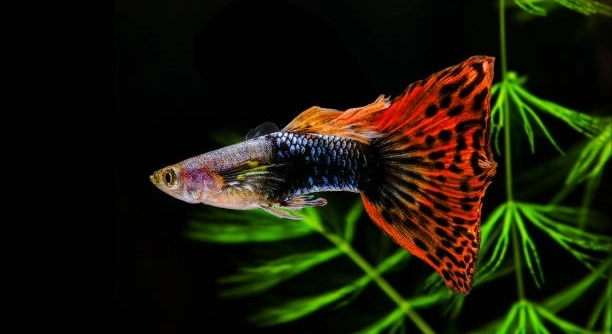
Ammonia levels in your guppy tank can quickly rise, putting your fish at risk. Proper care and maintenance are essential to ensure a healthy, thriving environment for your aquatic pets.
Ammonia levels in a guppy tank can be lowered through a combination of proper filtration, regular water changes, and avoiding overfeeding. Ensuring adequate plant growth and using ammonia-reducing products also help maintain water quality.
By understanding these steps, you can create a safer, healthier tank for your guppies. Proper care will keep your fish thriving in the long run.
Regular Water Changes
One of the most effective ways to reduce ammonia levels in your guppy tank is by performing regular water changes. Ammonia naturally accumulates in the water over time, especially if the tank is overstocked or not properly maintained. Changing 25-30% of the water every week can help keep ammonia levels in check. This practice removes excess waste and other harmful compounds, making the environment healthier for your guppies. Be sure to use water that is treated to remove chlorine and chloramine, which can harm your fish.
Changing the water regularly ensures that ammonia doesn’t build up and disrupt your tank’s balance. Fresh water helps maintain stable conditions for your fish, promoting their health and well-being.
You’ll notice that a consistent water change routine will keep ammonia levels from rising too high, reducing stress for your guppies. Healthy, clean water is essential for maintaining a stable environment and preventing ammonia spikes. Keep a calendar or reminder to stay consistent with water changes.
Proper Filtration
A good filtration system plays a crucial role in reducing ammonia levels. Filtration helps remove organic waste and other pollutants that can contribute to higher ammonia concentrations. Choose a filter that is appropriate for your tank size and ensures the water is properly circulated. It’s important to clean the filter regularly to ensure it is functioning efficiently, as a dirty filter can become clogged and less effective.
In addition to keeping the water clean, filtration provides mechanical, chemical, and biological filtration. Biological filtration, in particular, encourages the growth of beneficial bacteria that break down ammonia into less harmful substances. This helps maintain the nitrogen cycle in the tank and prevents ammonia from accumulating.
If you’re unsure about which filter to choose, there are plenty of options designed specifically for guppy tanks. Select one with adjustable flow rates and check its capacity to handle your tank’s size. Proper filtration ensures long-term stability for your guppies, improving their overall health.
Avoid Overfeeding
Overfeeding is a major factor in ammonia buildup. When guppies are fed more than they can consume, uneaten food decomposes in the tank, releasing ammonia into the water. To avoid this, feed your guppies small amounts of food that they can eat in a few minutes. Remove any leftover food after feeding.
Overfeeding can easily overwhelm your filtration system, making it harder for beneficial bacteria to break down waste. The extra food creates additional waste that increases ammonia levels. Stick to feeding your guppies once or twice a day, adjusting portions as necessary.
If you’re unsure about the right amount to feed, start with a small portion and observe how much your guppies eat. Overfeeding not only affects water quality but can also lead to obesity in your fish. Keeping their diet in check promotes a healthier, balanced tank.
Live Plants
Live plants help reduce ammonia levels by absorbing excess nutrients from the water, including ammonia. Plants like Java Moss, Anubias, and Hornwort are known to thrive in guppy tanks and assist in maintaining water quality. Including plants not only improves aesthetics but also supports a healthier tank environment.
Plants act as natural filters, using ammonia and nitrates for growth. This helps stabilize the nitrogen cycle, preventing harmful spikes in ammonia levels. They also provide oxygen for your guppies, contributing to a more balanced ecosystem. The more plants you have, the more ammonia they can absorb, benefiting both your tank and fish.
Along with absorbing ammonia, live plants provide hiding spots and breeding grounds for your guppies. They create a more natural environment, reducing stress for your fish. Be sure to regularly trim overgrown plants to prevent them from crowding the tank. Proper care for your plants ensures they continue to support water quality.
Ammonia-Reducing Products
Ammonia-reducing products can help lower ammonia levels in your tank. These products contain chemicals or beneficial bacteria that break down ammonia and other harmful substances. Be sure to choose products that are safe for guppies and compatible with your tank setup.
These products can be particularly useful when ammonia levels are dangerously high, or if you’re setting up a new tank and need extra help stabilizing it. Always follow the manufacturer’s instructions for proper usage.
While ammonia-reducing products are effective, they should not be relied on as a substitute for proper tank maintenance. Regular water changes and proper filtration are still essential for long-term water quality.
Monitoring Ammonia Levels
Regularly testing ammonia levels in your tank is crucial for ensuring a healthy environment. Ammonia test kits are readily available and easy to use. By testing your water weekly, you can catch any spikes in ammonia early and take action before it harms your guppies.
Testing the water allows you to monitor the effectiveness of your maintenance routine. If ammonia levels remain consistently high, it may be necessary to adjust your tank’s filtration, feeding schedule, or water change routine. Consistency in monitoring ammonia ensures that your guppies stay in a safe environment.
Proper Stocking
Overstocking your guppy tank increases the likelihood of ammonia buildup. Each fish contributes to the waste in the tank, which breaks down into ammonia. By limiting the number of guppies in your tank, you reduce the waste load and make it easier to maintain stable water quality.
Stock your tank based on the size and filtration capacity to prevent overcrowding. Ensure each guppy has enough space to swim and thrive, reducing stress and the potential for ammonia spikes. A balanced stocking level is key to preventing issues with water quality.
FAQ
How often should I test ammonia levels in my guppy tank?
You should test ammonia levels at least once a week, especially if you’re new to aquarium care. Ammonia can spike quickly, and regular testing helps you catch problems early. If you notice any signs of stress in your guppies, like gasping at the surface or lethargy, test more frequently.
Can high ammonia levels harm my guppies?
Yes, high ammonia levels can be toxic to guppies. It can lead to burns on their gills, which affects their ability to breathe. In severe cases, it can cause death. Consistently high ammonia can also weaken their immune system, making them more susceptible to diseases.
What are the signs of high ammonia in a guppy tank?
Signs of high ammonia include cloudy water, fish gasping for air at the surface, or showing signs of stress like hiding. Guppies may also appear lethargic, with sluggish swimming or unusual behaviors. If you notice any of these symptoms, it’s important to test the water and take action immediately.
How can I lower ammonia levels quickly?
To lower ammonia levels quickly, perform a large water change of 50% or more. This will dilute the ammonia. You can also use ammonia-neutralizing products that break down ammonia, though they should not replace regular maintenance. Adding live plants can also help absorb excess ammonia over time.
Is it safe to add ammonia-reducing products to my tank regularly?
Ammonia-reducing products are effective, but they should not be used as a permanent solution. They can be helpful in emergencies or when setting up a new tank, but regular maintenance like water changes and proper filtration is more important. Relying on products can lead to false security and potentially harm your guppies in the long run.
How much should I feed my guppies to avoid ammonia buildup?
Feed your guppies only as much as they can eat within a few minutes. Overfeeding can lead to uneaten food decaying, which raises ammonia levels. You may need to adjust the portion size depending on the number of fish in your tank and their activity level. It’s always better to underfeed than overfeed.
Are live plants essential for lowering ammonia levels?
Live plants can greatly help reduce ammonia levels because they absorb excess nutrients, including ammonia. While not absolutely necessary, they are a natural and effective way to keep the water cleaner. Plants also provide oxygen and hiding spots for your guppies, improving overall tank health.
What type of filter is best for reducing ammonia in a guppy tank?
A good filter is crucial for keeping ammonia levels under control. Choose a filter that’s appropriate for the size of your tank, and ensure it has biological filtration to support beneficial bacteria that break down ammonia. A filter with adjustable flow rates is also helpful, as it can be tailored to suit your guppies’ needs.
Can I have too many plants in my tank?
While plants are beneficial, too many can overcrowd the tank and limit swimming space for your guppies. It’s essential to find a balance. Make sure plants are regularly pruned to prevent them from overtaking the tank. Proper plant care helps maintain water quality without overwhelming your tank.
How do I know if my filter is working properly?
Check your filter’s water flow regularly. If you notice reduced flow or if it seems clogged, it may need cleaning. Ensure the filter is the correct size for your tank and that it is properly maintaining water quality. Replace filter media as recommended by the manufacturer to keep it working efficiently.
Can adding new fish raise ammonia levels?
Yes, adding new fish to your tank can temporarily raise ammonia levels, especially if the tank is not yet fully cycled. It’s important to introduce new fish gradually to prevent ammonia spikes. Quarantining new fish for a few weeks before adding them to your main tank can help prevent issues.
How can I prevent ammonia spikes when setting up a new tank?
When setting up a new tank, avoid overstocking and be patient during the cycling process. The nitrogen cycle takes time to establish, and it’s crucial not to rush. Regular water changes and using a good filter can help keep ammonia levels under control while the tank stabilizes.
Is it necessary to remove dead fish from the tank right away?
Yes, it’s important to remove dead fish promptly, as they decompose quickly and release ammonia into the water. Leaving them in the tank can cause ammonia levels to rise, putting the remaining fish at risk. Always check your tank for any dead fish, especially if you notice ammonia spikes.
How can I keep ammonia levels stable long-term?
To maintain stable ammonia levels, follow a consistent routine of water changes, proper feeding, and regular filter maintenance. Keep the tank stocked appropriately and add live plants to help with natural filtration. Regularly test ammonia levels to catch issues before they become serious problems.
Is it safe to use chemical ammonia removers?
Chemical ammonia removers can be effective, but they should be used cautiously. They provide a temporary solution to high ammonia levels but should not replace regular tank maintenance. Always follow the instructions and be aware that overuse can harm the tank’s ecosystem, especially if beneficial bacteria are impacted.
How does overstocking affect ammonia levels?
Overstocking your tank means more waste is produced, which can cause ammonia levels to spike. Each guppy produces waste that breaks down into ammonia, and too many fish in a small space overwhelms the filtration system. Overstocking increases the need for regular water changes and constant monitoring of water quality.
Final Thoughts
Maintaining proper ammonia levels in a guppy tank is crucial for the health of your fish. Ammonia is toxic to guppies, and even small amounts can lead to serious health issues or death. Regular monitoring of ammonia levels through testing is an essential part of aquarium care. By being proactive and keeping track of ammonia, you can catch potential problems early and take steps to prevent harm to your guppies. Taking simple actions like performing regular water changes, feeding your fish the right amount, and using a reliable filtration system can make a big difference in keeping ammonia levels low.
Using live plants in the tank can further help reduce ammonia levels. Plants naturally absorb ammonia and other waste products, making them a great addition to any aquarium. Choosing the right plants for your tank can also create a more natural environment for your guppies. Along with the filtration system, plants can work together to improve water quality and support a healthier ecosystem for your fish. However, it is essential not to overcrowd your tank with plants, as this can limit swimming space for your guppies. Balance is key when adding plants to your tank.
Finally, maintaining proper stocking levels is also critical for keeping ammonia under control. Overcrowding the tank with too many guppies or other fish increases waste production, which leads to ammonia buildup. Always ensure that the number of fish in your tank is appropriate for its size and filtration capacity. By taking these measures—regular water changes, feeding responsibly, adding live plants, and avoiding overcrowding—you can help maintain a safe and healthy environment for your guppies. Keeping ammonia levels in check will not only prevent harm to your fish but also create a thriving, balanced tank that benefits everyone.

Hello,
If you enjoy the content that we create, please consider saying a "Thank You!" by leaving a tip.
Every little bit helps us continue crafting quality advice that supports the health, happiness, and well-being of pets around the world, for pets of all shapes, sizes, and species.
We really appreciate the kindness and support that you show us!