
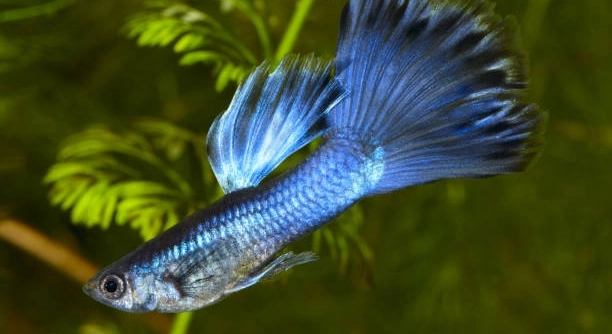
Many guppy owners notice their fish resting on plants, but it’s not always a cause for concern. Understanding why this happens can help ensure your guppies remain healthy and comfortable in their tank environment.
Guppies may rest on plants for various reasons, including stress, illness, poor water quality, or seeking comfort. They may also rest on plants to avoid stronger currents or if they are feeling too tired after swimming.
There are several factors that could explain this behavior. Knowing the signs and causes can help you better care for your guppy and prevent potential issues.
1. Stress and Anxiety in Guppies
Guppies, like many fish, are sensitive creatures. Stress can easily arise from several factors, including sudden changes in their environment. For example, loud noises, aggressive tank mates, or even changes in water temperature can cause your guppy to retreat and rest more often. Guppies will naturally seek calm, safe spots like plants to hide when they’re feeling anxious. This behavior is their way of coping with their surroundings. It’s important to observe your guppy for any signs of stress, such as erratic swimming or unusual behavior.
A stressed guppy will often appear lethargic, frequently resting on plants or decorations. If you notice this, consider adjusting your tank’s environment to reduce stressors. Keep the water temperature stable and make sure your fish have plenty of space and hiding spots to feel secure.
Addressing stress early is key to keeping your guppy healthy and happy. Proper tank conditions, quiet surroundings, and healthy water quality can go a long way in preventing stress-related behavior.
2. Poor Water Quality
Water quality plays a huge role in your guppy’s overall health. Poor water conditions, such as high ammonia or nitrite levels, can lead to exhaustion and sickness. In these situations, your guppy may rest on plants to avoid swimming in uncomfortable water. Keeping your tank clean and maintaining proper filtration is essential to prevent water quality issues. Regular water changes can ensure your guppy stays healthy and active.
When the water quality is compromised, guppies may show other signs of illness, such as clamped fins or faded colors. Always test your water regularly and adjust as needed. High ammonia or nitrite levels stress your fish and can lead to serious health problems, so it’s crucial to maintain clean, stable water to help your guppy thrive.
3. Illness and Injury
Guppies may rest more often if they are feeling unwell or have an injury. Diseases like fin rot or external parasites can make them less active, and they may seek plants for comfort. If your guppy appears lethargic, it could be a sign of something more serious, such as infection or injury.
Pay attention to any changes in their behavior, appearance, or appetite. Ill fish often have discoloration, lesions, or torn fins. It’s essential to isolate sick guppies from the others and consider treating them with appropriate medication to avoid spreading any illnesses to the rest of your tank.
If you notice an injury, ensure the tank is free from sharp objects that could cause harm. Keep an eye on your guppy’s recovery and watch for signs that the illness is improving. When treated early, many illnesses and injuries are treatable, allowing your guppy to recover and get back to its active self.
4. Resting Due to Age
As guppies age, they tend to slow down, which may result in more resting, including on plants. Older guppies are less active and often need more rest. This behavior is natural, and you may notice your guppy resting more often compared to its younger, more energetic days.
However, if you notice a significant change in your guppy’s behavior as it ages, it’s important to monitor its health closely. Sometimes, age-related health issues can lead to more resting, like difficulty swimming or feeding. A healthy older guppy can still enjoy a comfortable life, so long as you provide it with the right environment.
Ensure your guppy’s tank is set up to accommodate its changing needs as it ages. Lower the water flow if it struggles with current and offer easy access to food. With the right care, your older guppy can continue living comfortably in its later years.
5. Water Temperature
Guppies prefer a stable water temperature between 72°F and 82°F (22°C to 28°C). If the water is too cold or too hot, they may become stressed and seek comfort on plants. They do this to find a place where the temperature is more tolerable.
Fluctuations in temperature can lead to increased resting and decreased activity levels in guppies. Make sure your aquarium heater is working properly and maintain consistent water temperatures to prevent stress. Guppies are particularly sensitive to sudden changes, so try to keep the temperature within their ideal range for optimal health.
Stable water conditions are key to keeping your guppy active and comfortable. Regular monitoring of water temperature can prevent many issues related to temperature stress.
6. Tank Size and Space
If your guppy’s tank is too small, it may feel cramped, leading to less movement and more time spent resting on plants. Guppies are active fish and need enough space to swim and explore. A cramped tank can lead to stress and lethargy.
Ensure that your tank provides adequate swimming space, ideally 1 gallon of water per inch of guppy. Smaller tanks can cause stress and affect their behavior, so providing a spacious environment can help keep your guppy happy and healthy. It’s also important to avoid overcrowding with too many tank mates.
7. Current in the Tank
Guppies don’t like strong currents, and they may rest on plants to avoid swimming against the flow. A tank with too powerful a filter or a water pump can tire them out. Guppies prefer calm waters where they can move freely without exerting too much energy.
If the current is too strong, consider adjusting the filter flow or placing obstacles in the tank to break up the water movement. Guppies will appreciate a gentle flow, allowing them to swim comfortably and rest when needed.
FAQ
Why does my guppy rest on the plants during the day?
Guppies rest on plants during the day when they are feeling stressed, tired, or unwell. Sometimes, they seek out plants as a safe place to hide from strong water currents or other fish in the tank. If your guppy is resting a lot during the day, check for signs of illness or stress and make sure the water conditions are ideal. Healthy guppies should be active and swimming most of the time.
Can water temperature affect my guppy’s behavior?
Yes, water temperature plays a major role in a guppy’s activity levels. If the water is too cold or too warm, guppies tend to become more sluggish and may rest on plants. Guppies prefer a stable temperature between 72°F and 82°F. Any fluctuations outside this range can stress your guppy, leading to more resting.
What should I do if my guppy is resting too much?
If your guppy is resting more than usual, first check the water quality and temperature. Ensure the tank is clean and the water conditions are within the proper range. If the behavior persists, check for any signs of illness, injury, or stress. A visit to a vet specializing in fish may be needed for a diagnosis if the condition doesn’t improve.
Is it normal for older guppies to rest more?
As guppies age, they become less active and may spend more time resting. This is a normal part of their life cycle. Older guppies may slow down due to a decrease in energy, and resting on plants can provide them with comfort. However, keep an eye on them to ensure they aren’t showing signs of illness or severe fatigue.
Could my guppy be resting because of low oxygen levels?
Yes, low oxygen levels in the tank can cause guppies to become lethargic and rest more often. Guppies need oxygen-rich water to stay active and healthy. If your tank lacks proper aeration, consider adding a bubbler or adjusting the filter to improve water circulation and oxygenation.
How can I tell if my guppy is sick and resting?
Sick guppies tend to rest more than healthy ones. If you notice that your guppy is not eating, has faded colors, or has visible spots or lesions on its body, it could be a sign of illness. Other symptoms like clamped fins, difficulty swimming, or abnormal behavior also indicate that your guppy may need medical attention.
Can stress cause my guppy to rest more often?
Stress is a major factor that can cause your guppy to rest more than usual. Stress can come from various sources, including changes in the tank environment, overcrowding, loud noises, or aggression from tank mates. A stressed guppy may seek a quiet spot, such as resting on plants. Reducing the sources of stress can help your guppy feel more comfortable and active again.
How can I prevent my guppy from resting on plants too much?
To prevent your guppy from resting on plants excessively, ensure that it has a healthy, clean environment. Maintain stable water conditions, including temperature, pH, and oxygen levels. Avoid overcrowding and provide enough hiding spots for your guppy to reduce stress. Regular water changes and good tank maintenance will also help keep your guppy healthy and active.
Is my guppy resting because it’s bored?
Boredom can be a factor in why your guppy is resting more. Guppies are active fish and enjoy exploring their environment. If the tank is too small or lacks stimulation, your guppy may spend more time resting instead of swimming. Consider adding more decorations, plants, or tank mates to keep your guppy entertained and active.
How often should I check the water quality for my guppy?
It’s a good idea to test the water quality at least once a week to ensure that the conditions are optimal for your guppy. This includes checking for ammonia, nitrites, and nitrates, as well as maintaining the proper pH and temperature levels. Regular water changes (20-30% weekly) can help maintain good water quality.
Can water current cause my guppy to rest on plants?
Yes, guppies can be sensitive to water currents. If the current is too strong, they may find it difficult to swim, leading them to rest on plants or decorations to avoid struggling. To fix this, adjust the filter or add some plants to create calm areas in the tank where the guppy can take a break from the current.
Final Thoughts
Guppies resting on plants may seem unusual, but it’s often a normal behavior that can happen for various reasons. Whether they are seeking comfort from water currents, recovering from stress, or simply resting due to age, guppies, like all fish, need time to rest. However, when this behavior becomes frequent or seems out of the ordinary, it’s essential to consider the factors affecting your guppy. Keep an eye on their surroundings and ensure the water conditions are ideal. If everything is balanced, a bit of resting is nothing to worry about.
If your guppy’s resting behavior becomes more pronounced, you should pay attention to water quality, temperature, and potential sources of stress. Guppies are sensitive to poor water conditions, and problems like high ammonia levels, fluctuating temperatures, or overcrowding can all contribute to more resting. By keeping the tank clean, checking the temperature regularly, and ensuring a peaceful environment, you can help your guppy stay healthy and active. Also, remember that some rest can be a sign of stress or illness. If your guppy isn’t eating, is showing changes in its appearance, or has trouble swimming, it might be time for a closer examination.
Overall, observing your guppy’s behavior can help you determine if something is wrong or if it’s just taking a break. Fish are often good at hiding illness, so keeping track of any changes is crucial. When in doubt, adjusting the tank environment, such as the temperature or water flow, or isolating your guppy to address any issues might be necessary. By providing a stress-free and clean environment, you can encourage your guppy to be as active and healthy as possible. Always keep in mind that regular care, attention to water quality, and maintaining a peaceful environment are key to a thriving aquarium.

Hello,
If you enjoy the content that we create, please consider saying a "Thank You!" by leaving a tip.
Every little bit helps us continue crafting quality advice that supports the health, happiness, and well-being of pets around the world, for pets of all shapes, sizes, and species.
We really appreciate the kindness and support that you show us!