
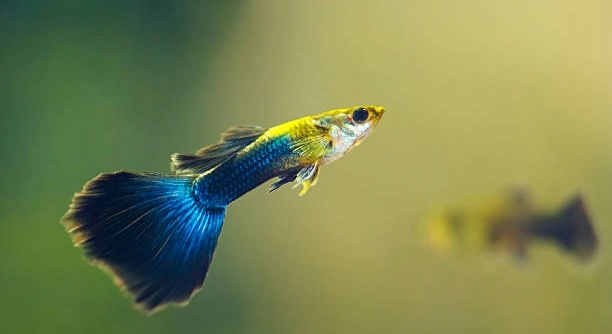
Guppies are small, colorful fish that make popular pets. They are known for their easy care, but they can be sensitive to changes in their environment, particularly water quality. Understanding this sensitivity can improve their health.
Guppies are sensitive to water changes because their delicate systems are highly affected by sudden shifts in temperature, pH, and toxins. Their small size and rapid metabolism make them more vulnerable to water fluctuations compared to other fish species.
Knowing why guppies are so sensitive to water changes helps ensure their well-being. Let’s explore the key reasons behind their sensitivity and how you can create a stable, safe environment for your fish.
Water Temperature Fluctuations
Guppies thrive in a specific temperature range, typically between 72°F and 82°F. Any significant shifts can cause stress. They are particularly sensitive to sudden temperature changes, which can impact their immune system, digestion, and overall health. If the water cools or warms too quickly, it may lead to illness or even death. A stable aquarium temperature is crucial for their well-being.
Water heaters and thermometers are helpful tools to maintain a consistent temperature. Investing in these devices helps prevent temperature spikes that could harm your guppies.
To keep guppies healthy, use a reliable aquarium heater with an automatic shut-off feature. Keep track of the water temperature with a thermometer, adjusting the heater settings as necessary. This will create a comfortable environment that reduces stress and supports their immune system. Regular monitoring also ensures you catch temperature changes before they become a problem. A stable environment will also allow your guppies to live longer, happier lives.
pH Level Sensitivity
Guppies need a stable pH level to stay healthy. They prefer a slightly alkaline environment, usually between 7.0 and 8.0. Sudden shifts in pH, like from too acidic or too alkaline, can be harmful.
It’s vital to regularly check the water’s pH level and avoid sudden changes. Small, gradual adjustments are key to keeping guppies comfortable.
A sudden drop in pH can lead to stress, making guppies more prone to infections. On the other hand, if the pH becomes too alkaline, they can also experience health issues like skin irritation or difficulty breathing. Using a pH test kit and adjusting the water carefully will help prevent problems. If needed, consider using pH stabilizers or natural solutions like driftwood to help regulate the pH levels in your tank. Guppies do best in a stable pH environment, so consistency is important for their long-term health.
Ammonia and Nitrite Levels
High levels of ammonia and nitrite are toxic to guppies. Even small amounts can lead to severe health issues, including organ damage and stress. Poor water quality often results from overfeeding or insufficient filtration. These toxins build up when the tank is not cleaned regularly, affecting your fish’s well-being.
To prevent ammonia and nitrite spikes, ensure proper filtration and perform routine water changes. A good filter will remove harmful substances, while water changes dilute toxins. Test the water weekly to monitor ammonia and nitrite levels, using a test kit. A consistent maintenance routine helps avoid these dangerous levels and supports a healthy environment for your guppies.
Ammonia is the first toxin to appear in a tank when the nitrogen cycle is unbalanced. Nitrite, which follows, is also harmful and needs to be managed with a well-maintained filter system. Without regular cleaning and testing, these toxins can build up quickly. Fish, especially guppies, are very sensitive to them. Too much exposure can compromise their health, leading to sickness or even death. Keeping ammonia and nitrite levels under control is critical for maintaining your guppies’ health.
Water Hardness
Water hardness refers to the amount of dissolved minerals, like calcium and magnesium, in the water. Guppies prefer water that is moderately hard, around 8–12 dGH. If the water is too soft or too hard, it can stress your fish.
Soft water can cause guppies to struggle with calcium absorption, which can weaken their bones and overall health. On the other hand, hard water may lead to mineral buildup and disrupt their natural balance. Ensuring your water’s hardness is within the preferred range is important for their well-being.
You can adjust water hardness by adding mineral supplements or using water softening agents. Regularly checking the hardness levels with a test kit is an easy way to make sure your guppies are living in the best conditions. If the water is too soft, a mineral supplement can help increase hardness. Conversely, if the water is too hard, reverse osmosis filters can help soften it. Monitoring and adjusting hardness levels is essential for keeping your guppies comfortable and healthy.
Chlorine and Chloramine
Chlorine and chloramine are commonly found in tap water, and they are toxic to guppies. Even small traces of these chemicals can harm their gills and overall health. Always dechlorinate water before adding it to the aquarium to prevent damage to your fish.
A water conditioner designed to remove chlorine and chloramine is a simple solution. Dechlorinating water ensures your guppies aren’t exposed to harmful chemicals. Without dechlorination, the fish may experience stress or even death. Chlorine can damage their delicate gills, affecting their ability to breathe properly. Using a water conditioner helps create a safer environment.
When setting up or changing the water, make sure the water has been treated for chlorine and chloramine. It’s an essential step that shouldn’t be overlooked. These chemicals may not always be visible, but their effects on guppies can be devastating. Proper treatment prevents future issues and keeps your fish safe.
Overcrowding
Overcrowding can make it difficult for guppies to thrive. The more fish in a tank, the harder it is to maintain good water quality. Overcrowded tanks often have higher levels of waste, which can lead to a buildup of toxins that harm your fish.
Proper stocking levels are essential to maintaining healthy guppies. Keep the tank’s fish load low to avoid overcrowding. Overcrowding causes increased stress among fish, reduces oxygen levels, and disrupts the tank’s balance. It can also lead to more aggressive behavior and territorial fights between guppies. Ensure your tank is large enough to comfortably house the number of guppies you want to keep.
Water Movement
Guppies prefer gentle water movement. Too much current can stress them out, making it difficult for them to swim comfortably. If your filter or pump creates a strong flow, your guppies may struggle to find calm spots in the tank.
To maintain a peaceful environment, adjust the water flow to suit your guppies’ needs. A gentle filter with adjustable settings is ideal. Strong currents not only cause stress but also disturb the tank’s water temperature and distribution. By ensuring calm water movement, you create an environment where your guppies can move freely and feel secure.
FAQ
Why are my guppies always hiding?
Hiding is a common behavior when guppies feel stressed or threatened. This can be due to poor water quality, sudden changes in their environment, or overcrowding in the tank. Make sure your tank is properly maintained, with stable water conditions, and that the guppies have enough space to feel secure. Adding plants and decorations can provide hiding spots, which can help them feel more at ease. If the hiding continues, it’s worth checking the water parameters to ensure there are no harmful spikes in ammonia, nitrites, or other toxins.
How do I know if my guppies are stressed?
Stressed guppies may show several signs, such as erratic swimming, hiding, loss of color, or loss of appetite. Their fins may appear clamped to their bodies, or they might become lethargic. A stressed guppy may also swim near the surface or at the bottom, avoiding the middle areas. Regularly checking your water’s temperature, pH, and toxin levels can help prevent stress. Also, ensure your tank is not overcrowded and that they have a comfortable environment with minimal disturbances.
Can I use tap water for my guppies?
Tap water can be used, but it must be treated first. Most tap water contains chlorine or chloramine, which are harmful to fish. It’s crucial to use a dechlorinator or water conditioner before adding it to the tank. Always test the water’s parameters, like pH and hardness, to ensure they’re in the right range for guppies. If you’re unsure about your tap water’s quality, you might want to let it sit for 24 hours before using it, although this won’t remove chloramine. It’s better to be cautious when it comes to water quality.
How often should I change the water in my guppy tank?
Water changes should be done regularly to maintain good water quality. Generally, a 25-30% water change every week is recommended. This helps to dilute harmful toxins like ammonia and nitrites, keeping the environment safe for your guppies. If you have a larger tank with more fish, you might need to change the water more frequently. Always make sure that the new water is treated and matches the temperature of the tank to prevent stressing your guppies.
How can I improve the water quality for my guppies?
Improving water quality involves regular water changes, proper filtration, and monitoring the tank’s parameters. Ensure that your filter is adequate for the size of your tank and that it’s functioning properly. Use a test kit to check ammonia, nitrite, and nitrate levels regularly. Adding live plants can help absorb excess nutrients, improving water quality. Also, avoid overfeeding, as uneaten food contributes to water pollution. Clean the substrate and decorations regularly to remove organic waste that can decompose and affect the water quality.
What should I feed my guppies?
Guppies are omnivores, so their diet should consist of a mix of plant-based and protein-rich foods. Offer high-quality flake food, supplemented with occasional live or frozen foods like brine shrimp or daphnia. You can also give them small amounts of vegetables like blanched spinach or zucchini. Be careful not to overfeed, as excess food can lead to water contamination and stress. Feeding them small portions 2-3 times a day is usually best. Guppies enjoy variety in their diet, so rotating between different food types will keep them healthy.
Why are my guppies losing color?
Color loss in guppies can be a sign of stress, poor water quality, or a lack of proper nutrition. If they are stressed, their colors may fade as a result. Another reason could be insufficient light, as guppies need a natural day-night cycle to maintain their vibrant colors. Malnourishment, particularly a lack of carotenoids in their diet, can also cause color fading. Ensure they are getting a balanced diet with appropriate food and that their environment is stable, with proper water parameters and light exposure.
Can guppies live with other fish?
Guppies are peaceful fish and generally get along well with other species, especially small and non-aggressive fish. They can coexist with other livebearers like mollies, swordtails, and platies. Avoid keeping them with fin-nipping fish or larger, aggressive species that might harm them. Also, be mindful of their breeding habits, as guppies can easily multiply in a community tank. To avoid unwanted breeding, keep males and females in separate tanks or maintain a proper balance.
How do I keep my guppies from breeding too much?
If you don’t want your guppies to breed excessively, separate males from females. Keep a single sex group or introduce a mix of males and females but balance the ratio to prevent overpopulation. You can also use breeding traps or have a separate breeding tank if you prefer to control the breeding process. Male guppies are more active when searching for females, so limiting the number of males in the tank can reduce the chances of breeding.
What type of tank setup do guppies need?
Guppies need a well-maintained tank with plenty of swimming space, hiding spots, and a stable environment. They enjoy aquariums with plants, decorations, and gentle water flow. A standard 10-gallon tank is suitable for a small group of guppies, but larger tanks are better for more fish. Ensure the water temperature is stable, and monitor the pH and hardness regularly. Providing a balanced environment will promote healthy and stress-free guppies.
Taking care of guppies can be a rewarding experience when you understand their needs and provide the right environment. These small, colorful fish are resilient, but they are sensitive to changes in their water conditions. Small shifts in water temperature, pH levels, or toxin buildup can quickly affect their health. For the best results, it’s important to maintain a stable environment with regular water changes, proper filtration, and careful monitoring of water quality. A well-maintained aquarium will keep your guppies happy and healthy for a long time.
One of the most important aspects of guppy care is understanding the impact that water conditions have on their health. Sudden changes, such as a rapid temperature shift or an increase in ammonia levels, can cause stress and even lead to illness. Regular testing of water parameters like pH, hardness, ammonia, and nitrites will help you catch potential problems early. In addition, having a proper filtration system and performing routine water changes are essential steps in keeping the water clean and safe for your fish. By paying attention to these factors, you can prevent many common health issues guppies face.
While guppies are relatively easy to care for, they still require attention and consistency. Overcrowding, poor feeding habits, and neglecting water maintenance can all lead to problems in the tank. It’s important to balance the number of fish in the tank to prevent overcrowding, which can lead to stress and unhealthy water conditions. Additionally, providing a variety of foods ensures that your guppies get the nutrients they need for growth and vibrant colors. By following these simple guidelines and creating a stable, safe environment, you can enjoy watching your guppies thrive in their aquarium.

Hello,
If you enjoy the content that we create, please consider saying a "Thank You!" by leaving a tip.
Every little bit helps us continue crafting quality advice that supports the health, happiness, and well-being of pets around the world, for pets of all shapes, sizes, and species.
We really appreciate the kindness and support that you show us!