
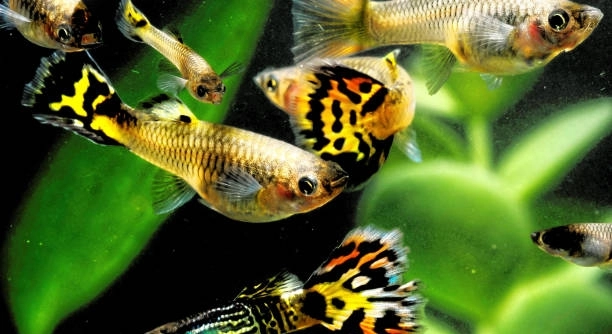
Are your guppies avoiding new food, leaving you concerned? It can be frustrating when your little fish don’t seem interested in their meals. Understanding the reasons behind this behavior can help ensure they’re eating well.
There are several reasons your guppies may be avoiding new food. They might not like the taste, the food could be too large or too small, or they may be stressed. Health issues or water conditions could also play a role.
Guppy care involves more than just providing food. Learning about the causes of food rejection can help improve your guppies’ health and eating habits, ensuring they thrive.
1. Guppy Preference: Why They Might Not Like the New Food
Guppies, like most fish, have preferences when it comes to food. If you’ve just introduced something new, it could be that the taste or texture doesn’t appeal to them. Guppies are often more selective than we realize. If the new food is unfamiliar or different from their usual diet, they might ignore it completely. Even if it’s nutritious, they won’t eat it if it doesn’t match their liking. Understanding your guppies’ preferences is essential for their health. Offering a variety of food types, from flakes to live foods, might be the key to getting them to eat.
Sometimes, it’s not about the food itself but about how it’s presented. If the food is too large or too small for their mouths, they might avoid it altogether. Guppies tend to prefer food that is the right size and shape for easy consumption. Finding the right balance can take some time, but it can make a significant difference.
If your guppies are still refusing to eat, the issue might not be the food but the conditions around them.
2. Stress or Unfamiliar Environment
Environmental stress is a major factor that affects your guppies’ behavior. Stress can come from various sources, such as a sudden change in their tank setup, water temperature, or lighting. Guppies are sensitive creatures, and any significant change can cause them to stop eating. If your guppies are not adjusting well to a new environment, it’s best to give them time to settle before introducing new food. Additionally, excessive noise or other disturbances around the tank can contribute to their stress, making them less likely to eat.
For new guppy owners, it’s crucial to keep the water conditions stable, as any fluctuations can cause your fish to react negatively. When they are stressed, their appetite decreases, and they may refuse to eat, even if the food is something they would normally enjoy. Ensuring they feel safe and secure in their environment is the first step to getting them to eat again.
If your guppies are not eating because of stress, they will likely recover once their environment stabilizes and they become comfortable again. Keep things calm, and monitor their behavior over the next few days to see if they start eating again.
3. Overfeeding and Uneaten Food
Overfeeding is a common issue with guppies. If they are given too much food, they may not eat the new food because they’re already full from leftovers. Excess food can also pollute the tank, creating poor water quality, which might make them less interested in eating.
If there’s food left at the bottom of the tank, your guppies may ignore the new offerings. Guppies tend to eat only what they need, and if the tank is overstocked with uneaten food, it can lead to stress or even health problems. To prevent this, try feeding smaller portions and monitor the amount your guppies are eating. It’s also a good idea to remove uneaten food promptly to keep the water clean and maintain a healthy environment.
If overfeeding continues, guppies may lose interest in eating altogether. A regular feeding schedule can help avoid this issue. Stick to a routine, give your fish enough food, and watch their behavior to ensure they’re eating enough without overwhelming them with too much.
4. Health Problems Affecting Eating Habits
Guppies can sometimes avoid food due to underlying health problems. If your fish are sick, their appetite will decrease, and they may not eat at all. Common health issues include parasites, internal infections, or even poor water quality, all of which can make them feel weak or uncomfortable.
If you notice other signs like lethargy, unusual swimming patterns, or discoloration, your guppies may be suffering from a health issue that needs attention. Checking water parameters and ensuring they are in a safe, clean environment is a good first step. If the water quality is poor, guppies may refuse to eat or become too stressed to feed properly.
Treating the health issue is crucial before worrying about their food preferences. Once the underlying problem is addressed, your guppies should regain their appetite. Keep an eye on their behavior, and if necessary, consult a vet or an aquarium expert for guidance.
5. Water Conditions and Temperature
Water conditions have a huge impact on guppies’ eating habits. If the water temperature is too high or low, or if the pH is off, your guppies may stop eating. They need stable, clean water to thrive and stay healthy.
Guppies prefer water between 72°F and 82°F (22°C to 28°C). If the temperature fluctuates too much, they may become stressed and avoid food. It’s important to regularly test the water quality, making sure the ammonia, nitrite, and nitrate levels are in check. Poor water quality can significantly affect their appetite.
If water conditions are unstable, adjusting them back to ideal levels will likely restore your guppies’ eating habits. Always monitor the tank environment closely.
6. Poor Food Quality
Sometimes, guppies may not eat new food simply because it’s of poor quality. If the food is stale or not nutritious, they won’t show interest in it. Freshness matters when feeding your fish.
When selecting fish food, make sure it’s specifically designed for guppies. Choose high-quality flakes, pellets, or live food from reputable brands. If the food is expired or improperly stored, it might lose its appeal and nutritional value, causing your guppies to ignore it. Fresh food will encourage them to eat.
Always check the food packaging for any signs of damage or expiration dates. It’s best to replace old food regularly.
7. Overly Large or Small Food Pieces
The size of the food is another factor that can influence your guppies’ interest in it. If the food is too large, your guppies may have trouble eating it. Similarly, food that’s too small might not catch their attention.
Guppies are small fish, so they prefer food that’s appropriately sized for their mouths. Food that is too big may float around, and they may avoid it. On the other hand, food that’s too small might not seem appealing. Adjust the size of the food to fit your guppies’ needs and preferences.
Finding the right-sized food will encourage them to eat more easily and regularly.
FAQ
Why are my guppies not eating even after I try different types of food?
Guppies can be quite particular about their food, and it’s not always about the variety. They might be stressed, have an underlying health issue, or the water conditions may be off. If the water temperature is unstable, or there’s a change in their environment, they might lose their appetite. Also, if they are overfed, they may just not be hungry. Try feeding smaller portions and ensure the water is clean and within the proper range. If this doesn’t work, check for any signs of illness and address those issues first.
Could my guppies not be eating because the food is too old?
Yes, old food can definitely be a factor. Fish food loses its nutritional value over time, and stale food might not smell appealing to guppies. If the food is expired or improperly stored, it can become less enticing. Always make sure to store food in a cool, dry place and check the expiration date. Fresh food will always be more attractive to your guppies, and they’re more likely to eat it.
Can poor water quality cause guppies to stop eating?
Absolutely. Poor water quality is one of the most common reasons why guppies refuse to eat. High levels of ammonia, nitrites, or nitrates can make your guppies sick and cause them to lose their appetite. Inconsistent water temperature can also lead to stress, affecting their feeding behavior. Regular water changes and monitoring of the water parameters can ensure a healthy environment that promotes feeding.
How can I tell if my guppies are sick or just picky eaters?
If your guppies are sick, you may notice symptoms such as lethargy, discoloration, clamped fins, or abnormal swimming patterns. Picky eaters, on the other hand, may simply avoid new food but still appear active and healthy otherwise. It’s important to observe for any other unusual signs that could indicate illness. If they stop eating altogether and show signs of distress, it’s best to test the water and consider any potential health issues.
Is it normal for guppies to avoid food if they’re stressed?
Yes, stress is a common reason for a loss of appetite in guppies. Stress can be caused by many factors, such as water changes, overcrowding, incompatible tank mates, or sudden changes in the tank setup. When guppies are stressed, their immune system weakens, and they might not feel comfortable enough to eat. Reducing stress in their environment can encourage them to start eating again.
How often should I feed my guppies to avoid overfeeding?
Guppies should be fed small amounts two to three times a day. It’s best to offer food they can consume in about two to three minutes. This way, you avoid overfeeding and wasting food that could pollute the tank. If you’re unsure, feeding once a day is fine, but always make sure they have enough time to finish their food without leaving leftovers.
Can overfeeding make guppies refuse food?
Yes, overfeeding can make guppies refuse food. When guppies are given too much food, they may simply eat until they’re full, and then avoid any additional food offered. Leftover food can also spoil the water, leading to poor water quality and stress, which will further discourage them from eating. Try sticking to a feeding schedule with smaller portions to prevent overfeeding and encourage consistent eating habits.
What should I do if my guppies have not eaten for days?
If your guppies haven’t eaten for a few days, you should first check their environment. Ensure that the water temperature, pH, and other parameters are within the correct range. Check for signs of illness, such as lethargy or unusual behavior, and remove any uneaten food to maintain water quality. If the problem persists, consider consulting an aquarium expert or a vet specializing in fish health to rule out any underlying health issues.
Why are my guppies eating only specific food types?
Guppies have preferences just like any other pet. Some might prefer live food over flakes or pellets, while others may prefer a particular brand or flavor. If they are avoiding a certain type of food, it could be because it doesn’t appeal to them. Try offering different types of food to see what they prefer. Some guppies may even develop a preference for certain foods based on their previous experiences.
Can stress cause my guppies to not eat after a tank cleaning?
Yes, cleaning the tank can cause stress, especially if it’s a major change in the environment. When cleaning, avoid changing too much at once, such as drastically altering the water, decorations, or gravel. Sudden changes can make guppies feel insecure, causing them to stop eating. It’s better to do partial water changes and make gradual adjustments to avoid stressing your fish out.
Could my guppies not be eating because they’re full from other tank mates eating?
Yes, it’s possible. If you have multiple fish in the tank, your guppies might not be getting their fair share of the food, especially if more aggressive fish are eating quickly. You may want to consider using a feeding ring or feeding them in a separate area to ensure they get their portion. Keeping track of how much each fish is eating can help you manage feeding better.
How can I encourage my guppies to eat new food?
Introducing new food slowly can help your guppies adjust. Start by mixing small amounts of the new food with their regular food, so they can get used to the taste. You can also try offering live or frozen food, which is often more enticing. Make sure the food is fresh, the right size, and appropriate for guppies to encourage them to eat.
Final Thoughts
If your guppies are avoiding new food, it can be frustrating, but there are many reasons this might happen. Whether it’s because of food preferences, environmental stress, or even health problems, understanding the root cause is key to solving the issue. It’s important to be patient and observe your guppies’ behavior closely. If you notice anything unusual, such as lethargy or changes in swimming patterns, you may need to adjust the water conditions or consult a professional about their health.
One of the easiest ways to help your guppies adjust to new food is by introducing it gradually. Mixing new food with their usual diet will give them time to get used to the taste and texture. Keep in mind that guppies are naturally curious, and they might just need a little time to explore new food before they take to it. If you’re providing food that’s the right size, fresh, and nutritious, chances are your guppies will begin to accept it once they feel comfortable. Avoid overfeeding and always remove any uneaten food to keep the tank clean.
Ultimately, guppy care is about creating a stable, comfortable environment that promotes their health and happiness. Providing the right water conditions, maintaining a proper feeding schedule, and ensuring your fish are in good health will go a long way in ensuring they eat well and thrive. By keeping a close eye on their behavior and making adjustments as needed, you can help your guppies develop healthy eating habits and enjoy a long, happy life in your aquarium.

Hello,
If you enjoy the content that we create, please consider saying a "Thank You!" by leaving a tip.
Every little bit helps us continue crafting quality advice that supports the health, happiness, and well-being of pets around the world, for pets of all shapes, sizes, and species.
We really appreciate the kindness and support that you show us!