
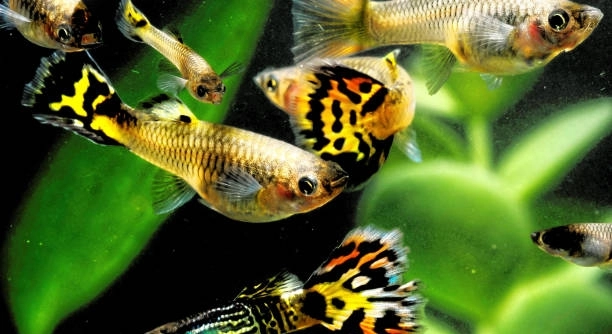
Guppies are lively, colorful fish that are often seen swimming happily in aquariums. However, if you’ve noticed your guppy chasing its own reflection, you might be curious about what’s causing this behavior.
The main reason your guppy chases its reflection is due to territorial instincts. Guppies can mistake their reflection for another fish, causing them to become territorial or aggressive. This behavior can also be driven by stress or boredom.
There are several factors contributing to this common issue. Understanding these causes can help you better care for your guppy and prevent unnecessary stress or injury.
Territorial Behavior and Aggression
One of the main reasons your guppy may be chasing its own reflection is due to its natural territorial instincts. Guppies, like many fish, can be protective of their space and resources. When they see their reflection in the glass, they may interpret it as another fish invading their territory. This can trigger aggressive behavior as they try to ward off what they perceive as a threat. It’s important to note that guppies are social creatures, but they still establish territories in their environments.
When this happens, your guppy might swim rapidly back and forth, attacking the reflection or showing signs of stress. While this behavior might seem harmless, it can be draining for the fish. Prolonged stress can lead to health issues, such as weakened immune systems or poor growth. Over time, this could affect the overall wellbeing of your guppy.
It’s crucial to assess the setup of your tank. The placement of mirrors or reflective surfaces can encourage this kind of behavior. In a community tank, the presence of territorial disputes can also intensify this problem. Finding ways to reduce reflection, such as adjusting the tank’s positioning or using non-reflective materials, can help manage this behavior.
Environmental Stressors
Your guppy may also chase its reflection due to stress from the environment. Water quality, temperature fluctuations, or overcrowding can all cause anxiety. Fish are sensitive to their surroundings, and poor conditions can make them more reactive to stimuli like reflections. If your tank isn’t maintained properly, your guppy might start showing signs of stress.
Inadequate tank size or incompatible tankmates can lead to overcrowding. This can put your guppy on edge, making it more prone to behavior like chasing its reflection. When fish feel cramped or uncomfortable, they become more territorial and defensive, even if there’s no real threat. Additionally, poor water quality affects their overall health, making them more vulnerable to stressors.
Maintaining a clean tank with the right water parameters is key to reducing stress. Regular water changes, proper filtration, and ensuring the temperature stays consistent will help create a healthier environment. Also, avoiding overcrowding by providing enough space for each fish will prevent unnecessary tension in the tank.
Boredom and Lack of Stimulation
Guppies need mental and physical stimulation to stay healthy. When they don’t have enough to do, they might start chasing their own reflection. This behavior could be a way for your fish to entertain itself when there’s not much else happening in its environment.
If your guppy is left with little stimulation, it may become fixated on the reflection. Guppies are active and curious fish, so a lack of enrichment can lead to repetitive behaviors. To keep your guppy engaged, consider adding plants, decorations, or even other fish to the tank. Moving items around or introducing new objects can break up monotony and reduce boredom.
Providing varied environments helps keep your guppy interested and healthy. A simple change in the tank layout or the addition of new hiding spots can provide the variety your fish needs. This will not only prevent reflection-chasing but also improve its overall happiness.
Tank Size and Space
If your tank is too small, your guppy will have less room to swim freely. This lack of space can increase stress and make your guppy feel cramped. When fish feel trapped, they might start focusing on their reflection as a way to challenge something within their confined space.
Inadequate space can lead to territorial disputes with other fish, especially in smaller tanks. Even if there are no other fish to fight with, the reflection becomes an easy target. Guppies need enough space to swim and explore. A larger tank with more room to roam can significantly reduce stress and prevent reflection-chasing.
Giving your guppy space to swim freely improves its overall well-being. A well-sized tank promotes natural behaviors and helps maintain a calm environment. As your guppy feels less restricted, it will be less likely to focus on its reflection.
Mating Behavior
Guppies, like many fish, have specific behaviors related to mating. Male guppies often chase reflections because they see the image as a potential mate. The reflection triggers their natural instincts, and they may display courtship behaviors as if the reflection is another fish.
Males may become fixated on their reflection, repeatedly trying to impress the “female” they think they see. This can lead to the chasing behavior, especially if no real mates are present in the tank. It’s important to understand that this is not aggression but rather an instinctual response tied to reproduction.
Lighting Conditions
Improper lighting can also contribute to reflection-chasing. If the tank is in a brightly lit area, it can increase the intensity of reflections. Guppies may mistake these reflections for other fish, leading to them chasing their own image.
Adjusting the lighting to reduce harsh reflections can help. Positioning the tank in a less brightly lit area or using softer lighting can reduce the occurrence of this behavior.
FAQ
Why is my guppy chasing its reflection?
Guppies chase their reflection primarily due to territorial instincts or mating behavior. They might mistake their reflection for another fish invading their space or a potential mate. It’s a natural response, but it can become a repetitive behavior if they are stressed or bored.
How can I stop my guppy from chasing its reflection?
To stop your guppy from chasing its reflection, you can reduce the reflective surfaces in the tank. Try using non-reflective backgrounds or adjusting the position of the tank to minimize light reflections. Adding more plants and decorations can also distract your guppy and offer them alternative stimuli.
Is chasing its reflection harmful to my guppy?
Chasing its reflection can lead to stress, which might weaken your guppy’s immune system over time. If this behavior continues unchecked, it can result in physical exhaustion and possible injury. It’s important to address the cause of the reflection-chasing to prevent health issues.
Can poor water quality contribute to this behavior?
Yes, poor water quality can lead to stress in guppies, making them more likely to chase their reflection. Guppies are sensitive to changes in water conditions, such as improper pH, high ammonia, or fluctuating temperatures. Keeping the water clean and stable is essential for reducing stress-related behaviors.
What should I do if my guppy is stressed from chasing its reflection?
If your guppy seems stressed, first check the water quality and temperature. Make sure the tank is clean and the environment is stable. You may want to consider rearranging decorations to provide new hiding spots or reducing the intensity of lighting to prevent reflections.
Can tank mates affect this behavior?
Yes, tank mates can influence your guppy’s behavior. Aggressive or territorial fish might make your guppy feel stressed, leading it to focus on its reflection as an outlet for its anxiety. Introducing compatible tank mates or ensuring enough space for everyone can help reduce tension and unwanted behaviors.
Will adding more guppies help?
Adding more guppies could help if the behavior is driven by loneliness or a desire to mate. Guppies are social fish and may benefit from having companions. However, adding too many can lead to overcrowding, which will increase stress and could worsen the reflection-chasing behavior.
How much space does my guppy need to stop chasing its reflection?
Guppies need adequate space to swim and explore. A tank size of at least 10 gallons is recommended for a small group of guppies. Larger tanks allow them more freedom to establish territories and reduce the likelihood of stress-driven behaviors like chasing reflections.
Does lighting really matter in preventing this behavior?
Yes, lighting plays a key role in reducing reflection-chasing. Bright lights or positioning the tank near windows can create reflections that trigger the chasing behavior. Adjusting the lighting to a softer, more diffused setting can help your guppy feel more comfortable and less likely to focus on its own image.
Can I use a tank divider to stop the reflection-chasing?
Using a tank divider may help if you have multiple male guppies who are displaying territorial behavior. Dividers will give each guppy its own space and prevent the constant chasing of reflections. However, make sure each section has enough room for swimming, as too little space can increase stress.
What are the signs that my guppy is stressed?
Signs of stress in guppies include erratic swimming, hiding, loss of appetite, or chasing reflections. You might also notice darker colors or faded markings. If your guppy shows these signs, it’s important to assess water quality, tank size, and the presence of any stress-inducing factors.
Should I be concerned if my guppy is always near the glass?
If your guppy constantly stays near the glass, it may be reacting to reflections or trying to escape stress. This behavior can also indicate boredom or a lack of stimulation. Try adding plants, decorations, or changing the environment to encourage natural swimming patterns and reduce fixation on the glass.
Can I fix the reflection issue with a tank background?
Yes, a non-reflective tank background can help significantly. It prevents your guppy from seeing its reflection in the glass, reducing territorial or mating behaviors. Black or dark-colored backgrounds are often the best choice for minimizing reflections, allowing your fish to focus on their natural environment instead.
How long does it take for a guppy to stop chasing its reflection?
Once the cause of the behavior is addressed, such as reducing reflections or improving water conditions, your guppy should start to show signs of less stress within a few days to a week. However, if the behavior persists, consider re-evaluating the tank’s layout or introducing additional distractions.
Final Thoughts
Understanding why your guppy chases its reflection is the first step in addressing the behavior. Most of the time, it’s linked to territorial instincts or a desire to mate, but it can also stem from stress, boredom, or environmental factors like poor water quality or improper lighting. While this behavior may seem harmless, it’s important to take it seriously, as it can lead to stress-related health issues in the long run. Keeping your guppy happy and healthy requires addressing the root cause of the behavior and making adjustments to its environment.
By creating a more stimulating environment for your guppy, such as adding plants, decorations, or more tank mates, you can help distract them from their reflection. It’s also essential to ensure your tank is properly sized, as a small or overcrowded tank can lead to increased stress and territorial disputes. Maintaining clean water and stable temperatures also plays a key role in reducing stress, which can help your guppy feel more secure and less likely to chase its own image. You may also want to consider adjusting the lighting to reduce reflections, as bright lights or reflective surfaces can easily trigger this behavior.
If your guppy continues to chase its reflection despite these efforts, it’s a good idea to monitor its overall health. Constant stress from chasing reflections can weaken its immune system, making it more susceptible to diseases. In such cases, it’s best to seek advice from an aquarium expert or veterinarian to rule out any underlying health issues. With a little attention and care, you can ensure your guppy leads a stress-free, happy life without becoming fixated on its reflection.

Hello,
If you enjoy the content that we create, please consider saying a "Thank You!" by leaving a tip.
Every little bit helps us continue crafting quality advice that supports the health, happiness, and well-being of pets around the world, for pets of all shapes, sizes, and species.
We really appreciate the kindness and support that you show us!