
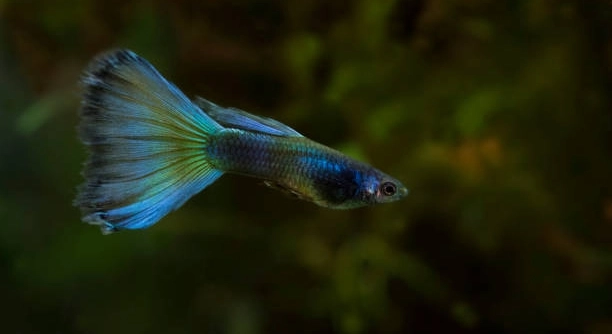
Are your guppies moving in strange ways, leaving you unsure if something is wrong? Watching them swim sideways can be confusing and a bit concerning, especially if everything seemed fine before.
Guppies swimming sideways is often a sign of a health issue, typically related to swim bladder disorder, poor water quality, or stress. Identifying the exact cause requires close observation and sometimes changes in their environment or diet.
Understanding the possible causes can help you take better care of your fish and prevent future problems in your aquarium.
Swim Bladder Disorder
Swim bladder disorder is one of the most common reasons guppies swim sideways. The swim bladder is a small organ that helps fish maintain balance and control their movement in the water. When this organ becomes damaged or inflamed, your guppy may struggle to stay upright. This can happen due to overfeeding, constipation, or sudden changes in water temperature. Feeding too much, especially dry flakes or pellets that expand in their stomachs, is a frequent cause. Guppies with this issue may float to the top, sink to the bottom, or tilt to one side. While it looks alarming, this condition can often be improved with proper care and a few adjustments. Try offering a small amount of cooked, skinned pea to help relieve constipation. Keep the water temperature stable and avoid feeding them for 24 hours before reintroducing a lighter diet.
This condition does not usually go away on its own and should be addressed quickly.
If you notice your guppy struggling to swim, acting sluggish, or floating oddly, it’s best to start with checking their diet and feeding habits. Reducing how often you feed them, or switching to more natural foods, can help support recovery. Also, make sure the tank stays clean and the temperature is steady. Sometimes, fish need a short fasting period to allow their bodies to reset. If your guppy improves after these steps, it’s a good sign the swim bladder was affected by minor digestive issues. However, if symptoms continue, the problem may be more serious and might need attention from an experienced aquarist. Some guppies may have long-term trouble if the bladder is permanently affected. Keep an eye on their behavior after changes are made and adjust your care routine as needed to support their comfort and movement.
Poor Water Quality
Poor water conditions can affect how your guppies swim and behave, especially if ammonia or nitrate levels are too high.
Maintaining clean water is critical for healthy guppies. When the tank is dirty or the filter isn’t working properly, harmful substances build up and can affect the fish’s organs, including the swim bladder. Even mild levels of ammonia or nitrites can stress guppies and make it harder for them to swim normally. Sideways swimming may happen because their body is reacting to toxins in the water. Check the tank regularly with a water testing kit, and perform partial water changes weekly to keep conditions stable. Make sure the tank is not overcrowded, as too many fish will raise waste levels. Adding live plants and cleaning the gravel can also help maintain balance. If your guppy starts swimming oddly, test the water right away and adjust it slowly. Clean water supports recovery and helps prevent more serious health problems.
Overfeeding
Feeding your guppies too much can lead to problems like constipation, bloating, and swim bladder issues. When food builds up in their system, it affects how they float and swim, often causing them to tilt or move sideways.
Overfeeding happens more often than people think. Guppies only need a small amount of food once or twice a day. Their stomachs are tiny, and leftover food quickly breaks down, affecting water quality too. Uneaten food can raise ammonia levels and stress your fish, which also affects how they swim. Try feeding them just enough that they can finish in under two minutes. If you’ve been giving multiple feedings a day or large portions, it’s a good idea to cut back. Giving them a fast day once a week can also help their digestion. Watch for bloating or sluggish behavior, which are both signs your guppy might be getting too much food.
To help your guppy recover, start by not feeding them for 24 hours. Then, switch to feeding small portions of high-quality food like brine shrimp or daphnia. These are easier to digest than flakes or pellets. You can also try feeding a soft, peeled pea if they seem constipated. Always remove uneaten food right after feeding to avoid dirty water. A consistent feeding routine helps their digestion and supports their swim bladder. If the sideways swimming goes away after adjusting their diet, it’s likely overfeeding was the cause. Moving forward, keep portions small and consistent to avoid stress and health problems.
Stress
Stress affects how your guppies behave, and it can make them swim sideways or act unusually. It’s often caused by sudden changes in their environment or by aggressive tankmates.
Guppies are sensitive to changes in temperature, lighting, or tank setup. Even loud noises or too much activity near the tank can stress them out. Stress causes physical changes in their bodies, making it harder for them to swim normally. If a guppy is constantly hiding, refusing food, or swimming sideways, stress may be the reason. Look for signs of bullying from other fish, especially fin nipping or chasing. Remove aggressive tankmates if needed and provide plenty of hiding spots. Keeping the tank calm and consistent helps reduce stress. Avoid sudden water changes, and always match the temperature when adding fresh water. A calm, stable environment helps your guppies stay healthy and swim the way they should.
Injury
Guppies can injure themselves by bumping into tank decorations, sharp objects, or aggressive tankmates. Even a small injury can affect how they swim, especially if the damage is near their fins or spine.
Injuries may not always be visible, but watch for torn fins or odd swimming patterns. Rest and clean water help recovery.
Birth Defect
Some guppies are born with physical deformities that affect their ability to swim properly. These can include curved spines or malformed swim bladders. In many cases, these issues are genetic and cannot be corrected. Affected guppies might always swim sideways or struggle with balance. They can still live comfortably with proper care. Make sure they’re in a low-stress tank, away from aggressive fish, and offer easy access to food. Keep the water very clean, and avoid strong currents that make swimming harder. With the right environment, these guppies can still have a good quality of life despite their limitations.
Sudden Temperature Changes
Guppies are sensitive to rapid temperature drops or spikes. Quick changes in water temperature can shock their system and cause them to swim sideways or lose control. Use a reliable heater and thermometer to keep conditions stable.
FAQ
Can a guppy recover from swimming sideways?
Yes, many guppies can recover if the cause is identified and treated early. If it’s due to swim bladder disorder, mild constipation, or stress, simple care changes like adjusting diet, improving water quality, and reducing tank stress can help. Give your guppy time to heal. In more serious cases like permanent injury or birth defects, the fish may not return to perfect swimming, but they can still live a comfortable life. The key is to respond quickly, keep the environment clean and calm, and observe their behavior for any signs of improvement or worsening.
What does a stressed guppy look like?
A stressed guppy might hide more than usual, refuse food, shake or twitch, or swim in odd patterns like in circles or sideways. You may also notice faded colors or clamped fins. Guppies often act differently when something is bothering them in the tank, such as poor water quality, overcrowding, or being chased by another fish. Stress weakens their immune system and can lead to illness if not managed. Keeping a peaceful, stable tank with good water conditions helps reduce stress. Adding plants or decorations can also give them places to rest and feel secure.
How do I check if water quality is causing the problem?
Use a water testing kit to check levels of ammonia, nitrite, nitrate, and pH. Ammonia and nitrite should be at 0 ppm, and nitrates should stay under 40 ppm. A spike in any of these can cause stress or illness in guppies. Test the water at least once a week or anytime you notice strange behavior. If levels are high, perform a partial water change of about 25-50%. Make sure your filter is working properly and the tank isn’t overcrowded. Stable, clean water is one of the most important parts of keeping guppies healthy.
Should I separate a guppy that is swimming sideways?
Yes, sometimes it’s best to place the affected guppy in a separate tank or breeder box within the main tank. This can protect them from bullying or rough tankmates while they heal. It also allows you to monitor their eating, swimming, and waste more closely. Keep the water clean and warm, and avoid feeding too much. A quiet space gives the guppy a better chance to recover. If they improve, you can slowly reintroduce them to the main tank. If not, at least they’re kept safe and stress-free during treatment.
Can tankmates make a guppy swim oddly?
Yes, aggressive or fast-swimming tankmates can chase or nip at guppies, causing physical injury or stress. Both of these can affect how your guppy swims. Guppies are peaceful and do best with other calm fish. Watch for chasing, hiding, or nipped fins. If one fish is causing problems, it’s a good idea to move it to a different tank. Overcrowding can also raise stress levels and make swimming harder for smaller or weaker fish. Keeping a peaceful tank with enough space helps prevent these kinds of issues.
What is the ideal tank temperature for guppies?
The best temperature range for guppies is between 74°F and 82°F (23°C to 28°C). Fluctuations outside of this range can cause stress or shock, which may lead to odd swimming behaviors. Use a reliable heater to keep the temperature steady. Sudden drops in temperature, especially during water changes, are a common cause of swim bladder issues. Always check the temperature of new water before adding it to the tank. Consistency is just as important as the actual number. A stable environment helps keep your guppies active and swimming normally.
Can feeding peas really help a guppy swim normally again?
Yes, feeding a soft, peeled pea can help relieve constipation, which is a common cause of swim bladder problems. The fiber in peas helps clean out the digestive system. Boil a pea for a few minutes, remove the skin, and feed a small piece to your guppy. Only give it once, and don’t feed anything else for 24 hours afterward. If constipation is the issue, you may notice your guppy swimming better within a day or two. This method is gentle and often effective when bloating is causing balance issues.
How do I know if my guppy is dying or just sick?
A sick guppy might still eat, move around slowly, or respond to your presence, while a dying guppy often shows no interest in food, floats motionless, or sinks and stays there. If the body is curled, the eyes are cloudy, or breathing is very fast or slow, those are usually signs the end may be near. However, some signs of illness and stress can look serious but are treatable. Monitor them closely, try simple changes like water improvement and rest, and give them time. Guppies are resilient with the right care.
Final Thoughts
Seeing your guppies swim sideways can be worrying, especially if you’re not sure what’s causing it. This kind of behavior is often a sign that something isn’t quite right in their environment, health, or daily care. While it might look serious at first, many causes of sideways swimming can be managed with a few simple changes. The most common issues include swim bladder disorder, poor water quality, overfeeding, and stress. Other times, it may be due to injury, a birth defect, or water that’s too cold. Paying close attention to how your guppies act and move can help you figure out what’s going on before things get worse.
Fixing the problem often starts with small steps. Try checking the water first using a test kit. Make sure the temperature is stable and within the right range. Clean the tank regularly, remove any uneaten food, and avoid sudden changes to the water or tank layout. Feeding smaller portions and offering fiber-rich foods like boiled peas can help with digestion issues. If you suspect your guppy is being bullied or injured, consider moving them to a quiet, separate tank for rest. Creating a low-stress, peaceful environment makes a big difference, especially for sensitive fish like guppies. These small adjustments can help your fish recover and feel more comfortable.
It’s also important to understand that some issues might not fully go away. If a guppy was born with a defect or has lasting damage, they may always swim a bit differently. That doesn’t mean they can’t live a good life. With careful attention and the right care, most guppies can still be active, eat normally, and live peacefully in your tank. Watching your fish each day, learning their habits, and responding to changes early can prevent many problems from growing worse. Keeping your tank clean, stable, and calm is one of the best ways to keep your guppies healthy. And if you’re ever unsure, don’t hesitate to ask for help from someone with experience. Your guppies rely on you to notice when something’s wrong—and with just a little effort, you can make sure they’re swimming happily again.

Hello,
If you enjoy the content that we create, please consider saying a "Thank You!" by leaving a tip.
Every little bit helps us continue crafting quality advice that supports the health, happiness, and well-being of pets around the world, for pets of all shapes, sizes, and species.
We really appreciate the kindness and support that you show us!