
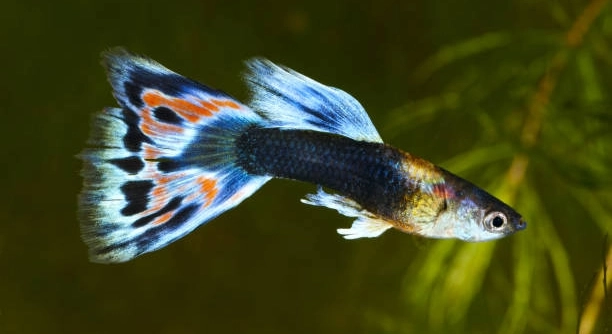
Guppies are lively little fish, popular in aquariums for their colorful beauty. But sometimes, they can show signs of illness that might not be immediately obvious. It’s important to spot these signs early to help them recover.
Guppies may display several symptoms when they’re sick, such as faded colors, changes in behavior, or abnormal swimming patterns. Identifying these signs quickly can help prevent further health issues and ensure proper treatment for your fish.
Recognizing these symptoms early will not only help you care for your guppy but also prevent any potential health risks in the future. Keep reading to learn the signs and ways to help your fish thrive.
1. Unusual Swimming Patterns
If your guppy starts swimming erratically, it could be a sign that something’s wrong. Healthy guppies swim gracefully through the tank, but when they’re unwell, they might swim in circles, near the surface, or even stay at the bottom. This could indicate stress or an underlying issue with water quality, such as incorrect temperature or pH levels.
Another possible cause for abnormal swimming behavior is parasites or infections affecting your guppy’s fins or gills. These can make your fish feel uncomfortable, which leads them to swim differently to avoid irritation. Additionally, a sudden change in the water’s condition, like high ammonia levels, can result in lethargy or abnormal swimming patterns.
If you notice these behaviors, it’s important to test the water and check for any changes in the environment. You may also want to look for any physical signs of injury or infection. Early detection and proper care can often help your guppy recover.
2. Loss of Color
When a guppy’s colors begin to fade, it’s a sign that something is off. This could be a result of poor water conditions, such as high ammonia or nitrite levels, or from stress caused by overcrowding in the tank. A healthy guppy should have vibrant colors, and if this changes suddenly, it’s important to investigate the cause.
In addition to environmental factors, stress can be a major factor in color loss. Stress from bullying by other fish or poor diet can cause your guppy to lose its vibrancy. If your fish isn’t eating well or seems constantly stressed, this can lead to further health complications.
To address this, ensure your tank is properly filtered and avoid overfeeding. A balanced diet is crucial for maintaining your guppy’s health and appearance. Regular water changes and proper tank setup can prevent a decrease in color, improving your guppy’s overall well-being.
3. Loss of Appetite
When a guppy refuses to eat, it can be a sign of illness. Healthy guppies are usually eager to feed and will swim to the surface when food is introduced. A lack of interest in food might indicate stress, poor water quality, or a possible infection.
If your guppy isn’t eating, the first thing to check is the water conditions. Poor water quality, such as high ammonia levels or incorrect pH, can cause stress and loss of appetite. Infections, parasites, or internal issues like constipation can also prevent your guppy from eating.
In some cases, guppies may refuse food if they are being bullied by other fish in the tank or are too stressed from the environment. It’s important to remove any aggressive tank mates and ensure your guppy has a peaceful, stress-free environment. Offer different types of food to encourage eating, and make sure the tank is clean and well-maintained.
4. White Spots on the Body
White spots appearing on a guppy’s body often point to a parasitic infection like “Ich.” This disease causes small, white cysts on the skin, fins, and gills, leading to intense irritation. It’s a very common illness in freshwater fish and needs immediate attention.
Ich, caused by the protozoan Ichthyophthirius multifiliis, spreads quickly in tanks where conditions are poor. If your guppy has these white spots, you might also notice it rubbing against objects in the tank, indicating discomfort. A lack of appetite and changes in swimming behavior often accompany this condition.
Treatment for Ich typically involves raising the water temperature slightly and adding medicated treatments specifically designed to eliminate the parasite. You should also remove any infected fish to prevent it from spreading to other tank mates. Regular tank cleaning and maintaining good water quality are essential for preventing future outbreaks.
5. Bloated Belly
A bloated belly can be a sign of several issues, such as overfeeding, constipation, or internal parasites. Guppies with bloated bellies may have trouble swimming and might appear lethargic. It’s essential to identify the cause quickly to prevent further health problems.
Overfeeding is a common reason for bloating. When guppies are given more food than they can eat, their digestive systems may become overloaded. This can lead to bloating and discomfort. Another cause is internal parasites, which affect the digestive system. If bloating persists, a change in diet or treatment for parasites may be necessary.
If your guppy is bloated, start by cutting back on feeding and monitoring its behavior. You might also want to offer foods that are easier to digest, such as blanched vegetables or specialized fish food. For persistent bloating, consult a vet who specializes in fish.
6. Faded Fins
Faded fins are another sign of illness in guppies. Healthy guppy fins should be bright and vibrant, but when a guppy is stressed or sick, they may lose their color or appear frayed. This can happen due to poor water quality or infections.
Infections such as fin rot, caused by bacteria, are common culprits of fin damage. When left untreated, the fins may deteriorate and affect the overall health of the fish. It’s essential to address the water quality and provide the guppy with proper care to prevent this condition from worsening.
To prevent fin issues, keep your tank clean and avoid overcrowding. If your guppy’s fins start to fade, perform water tests to ensure the tank conditions are ideal. If necessary, treat the fish with antibiotics or other medications as prescribed.
FAQ
How can I tell if my guppy is stressed?
Stress in guppies often shows through changes in behavior, such as hiding, staying at the bottom of the tank, or swimming erratically. A stressed guppy may also lose its appetite or show signs of aggression. Stress can be caused by poor water conditions, overcrowding, or tank mates that are too aggressive. To help alleviate stress, ensure the water is clean, the temperature is stable, and the tank is large enough for all the fish. Also, consider removing any aggressive fish that might be bullying your guppy.
What should I do if my guppy is not eating?
If your guppy isn’t eating, first check the water quality. Poor water conditions, such as high ammonia or low oxygen levels, can cause stress and a loss of appetite. If the water is fine, try offering different types of food, such as flakes, pellets, or live foods. Also, ensure the tank is peaceful, as stress from other fish could be a factor. If the problem persists for more than a few days, it may be time to consider a possible underlying health issue, such as parasites or internal problems.
How do I treat a guppy with fin rot?
Fin rot is often caused by poor water quality or bacterial infections. To treat fin rot, start by improving the water conditions by performing regular water changes and checking filtration systems. You may also need to add antibiotics to treat the bacterial infection. Remove any uneaten food and debris to prevent further contamination in the tank. If the infection is severe, isolate the affected fish to prevent it from spreading to other tank mates. Be patient, as recovery may take time.
What causes white spots on my guppy’s body?
White spots are often a sign of a parasitic infection like Ich. This parasite causes small, white cysts to appear on the skin, fins, and gills. If left untreated, Ich can spread quickly and cause more damage to your guppy. The best way to treat Ich is to increase the water temperature to around 80°F (27°C) and use medications designed for parasitic infections. It’s important to remove any infected fish from the tank to stop the parasite from spreading to other fish.
Is it normal for guppies to have faded colors?
Faded colors in guppies are not normal and usually indicate some form of stress or illness. Stress from poor water conditions, bullying by other fish, or overcrowding can cause a guppy’s vibrant colors to dull. Additionally, nutritional deficiencies or illness could also lead to color fading. To fix this, ensure the tank is clean, the water parameters are correct, and the guppy is receiving a balanced diet. If the fading persists, it’s worth consulting a fish vet to rule out any serious health problems.
How can I prevent diseases in my guppy?
To prevent diseases in your guppy, maintain a clean and stable tank environment. Regular water changes, proper filtration, and ensuring the water temperature and pH levels are stable are essential for disease prevention. Avoid overcrowding, as this can lead to stress and make fish more susceptible to illnesses. A balanced diet is also important for strengthening your guppy’s immune system. Additionally, quarantine any new fish before introducing them to your tank to prevent the spread of potential diseases.
Why is my guppy swimming near the surface of the water?
If your guppy is swimming near the surface of the water, it could be a sign of oxygen deprivation or poor water quality. Guppies naturally swim near the surface when they are having trouble breathing, often because there isn’t enough oxygen in the water. Ensure your tank is well aerated and that your filter is working properly. It’s also important to monitor the water’s ammonia, nitrite, and nitrate levels to avoid toxic build-up. If the issue persists, check the tank temperature, as extreme temperatures can also affect oxygen levels.
Can I treat a sick guppy without removing it from the tank?
In most cases, it’s best to isolate a sick guppy in a separate quarantine tank to prevent the spread of disease to other fish. However, if the illness is minor or the tank is large enough to avoid spreading, you may be able to treat the guppy without removing it. Use aquarium-safe medications, follow the instructions carefully, and monitor the guppy closely. Make sure to also treat the whole tank if there’s a risk of a widespread infection. Always check the water parameters and ensure they’re ideal for healing.
Why are my guppy’s fins clamped?
Clamped fins are often a sign that your guppy is stressed, uncomfortable, or ill. This behavior usually happens when the fish is experiencing poor water conditions, such as high ammonia or nitrite levels, or when it’s suffering from a bacterial or parasitic infection. To help your guppy, check the water quality immediately and make sure it is properly filtered. If the issue persists, consider isolating the guppy in a separate tank for treatment. Clamped fins can also be caused by bullying from other fish, so ensure the tank is peaceful.
How can I tell if my guppy is constipated?
Constipation in guppies is common and can cause bloating and discomfort. If your guppy’s belly appears swollen and it’s not eating, constipation might be the cause. A simple solution is to fast your guppy for a day or two to allow its digestive system to clear. Afterward, you can offer blanched vegetables like spinach or peas, which can help with digestion. If constipation persists, you may need to seek further treatment, such as medication designed for digestive issues. Always avoid overfeeding to prevent future constipation.
Final Thoughts
Taking care of your guppy’s health requires a bit of attention and observation, but with the right knowledge, you can spot issues early and prevent them from becoming serious. Guppies are hardy fish, but like all pets, they can experience problems. The key is to look for signs of illness, such as changes in behavior, swimming patterns, or physical appearance. If you notice anything unusual, it’s important to act quickly to avoid further complications.
Maintaining a clean and stable tank environment is the most important factor in keeping your guppy healthy. Regular water changes, monitoring water parameters, and ensuring the right temperature are all necessary for a thriving aquarium. A well-balanced diet and avoiding overfeeding also play crucial roles in supporting your guppy’s immune system. Ensuring your guppy has a peaceful tank environment with appropriate tank mates can also help reduce stress, which is one of the leading causes of health issues in fish.
If you do notice signs of illness in your guppy, it’s essential to investigate the cause and address the issue right away. Many illnesses can be treated with simple changes to the water or medication, but it’s always best to be proactive. Regularly checking water quality and keeping an eye on your guppy’s behavior will help you maintain a healthy and happy fish. With proper care, your guppy can live a long, vibrant life in your aquarium.

Hello,
If you enjoy the content that we create, please consider saying a "Thank You!" by leaving a tip.
Every little bit helps us continue crafting quality advice that supports the health, happiness, and well-being of pets around the world, for pets of all shapes, sizes, and species.
We really appreciate the kindness and support that you show us!