
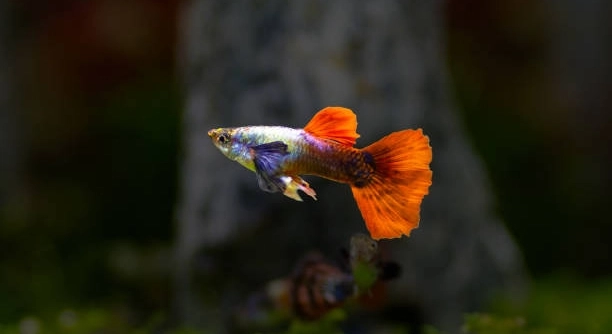
Guppy fry can be adorable, but when they grow slowly, it can be concerning. There are several factors that might contribute to this. Understanding the reasons behind their slow growth can help you provide a better environment for them.
The primary reasons for slow guppy fry growth are poor water quality, insufficient nutrition, overcrowding, and stress. Additionally, temperature fluctuations, genetics, and the presence of tank mates can all negatively affect their growth rate.
By identifying the specific factors influencing their growth, you can make the necessary adjustments. This will not only help your guppy fry grow faster but also promote their overall health and well-being.
Poor Water Quality
Water quality is one of the most important factors affecting guppy fry growth. If the water is dirty or contains harmful substances, it can stunt their growth or even cause illness. The fry are especially sensitive to changes in the water, and bad water can lead to slow growth or death. Regular water changes, proper filtration, and checking water parameters (like pH, ammonia, and nitrate levels) can help keep your guppy fry healthy. A clean tank ensures they have the right environment to thrive.
Maintaining clean water should be a priority for your guppy fry’s growth. Use a gentle filter and test the water regularly to ensure the quality stays optimal.
A good practice is to change around 10-20% of the water weekly. This will remove excess waste and prevent the buildup of harmful toxins. Don’t forget to use a water conditioner if needed to neutralize chlorine and chloramines from tap water. The healthier the water, the quicker your guppy fry will grow.
Insufficient Nutrition
Providing proper nutrition for guppy fry is essential for their growth. Fry need nutrient-dense food to grow strong and fast. Without a proper diet, they can become weak and grow at a slower rate.
Feeding them high-quality fry food, such as finely crushed flakes or liquid foods, is crucial. These foods should be rich in protein, as protein promotes growth and development.
You may need to feed your guppy fry several times a day to ensure they are getting enough nutrients. Overfeeding can lead to water quality problems, so it’s essential to monitor their feeding habits. In addition to prepared foods, consider supplementing with live foods like infusoria or baby brine shrimp. These options are nutritious and help encourage natural growth.
Overcrowding
Overcrowding can severely limit the growth of guppy fry. When too many fry are in the tank, there isn’t enough space or resources for each one to thrive. As a result, they may not get enough food or oxygen, slowing down their development.
To avoid overcrowding, ensure your tank is large enough to accommodate the growing fry. A 10-gallon tank is ideal for a small group of guppy fry. You can also consider separating the fry into different tanks as they grow. This gives each one a better chance at survival and healthy development.
Remember that overcrowding increases stress, which can also affect the fry’s growth rate. Regularly monitor the number of fry in your tank, and be ready to move them to a larger space if needed. Healthy space means faster growth for your fry.
Temperature Fluctuations
Temperature is another important factor for guppy fry growth. If the temperature fluctuates too much, it can stress out the fry and slow their growth. Guppy fry prefer a stable water temperature between 76-80°F (24-27°C).
Sudden changes in temperature can shock the fry, affecting their metabolism and slowing down their development. It’s essential to use an aquarium heater to maintain a consistent temperature, especially if the room temperature is unstable.
Ensure that your tank has a thermometer to keep track of the water temperature. Also, avoid placing the tank near windows or air conditioners, as this can cause temperature variations. Keeping the water at the right temperature will help the fry grow at a healthy and steady rate.
Stress
Stress can seriously hinder the growth of guppy fry. Even small changes in their environment, like loud noises or aggressive tank mates, can cause stress. This can lead to stunted growth and health problems.
To keep stress levels low, make sure the tank is in a quiet area of your home, away from sudden movements or loud sounds. Also, avoid having aggressive fish with the fry. Keeping the environment peaceful will help them grow without unnecessary stress.
Stress can weaken the immune system and make the fry more susceptible to diseases. Ensuring a calm, stable environment is crucial for their overall health and growth.
Genetics
Genetics play a big role in the growth rate of guppy fry. Some guppies are simply genetically predisposed to grow slower than others.
If you notice that some fry are consistently slower than others, genetics may be the reason. While you can’t control this factor, providing a stable, healthy environment can still help the fry grow to their full potential.
Tank Mates
Tank mates can affect the growth of your guppy fry. Aggressive fish may chase or harass the fry, which can lead to slow growth or stress.
It’s important to choose peaceful, non-predatory fish to live with your guppy fry. Avoid keeping them with larger fish that may see the fry as food. The right tank mates ensure a safer and more nurturing environment for your guppy fry to grow.
FAQ
What is the ideal water temperature for guppy fry?
The ideal water temperature for guppy fry is between 76°F and 80°F (24°C to 27°C). Maintaining a steady temperature within this range promotes healthy growth and metabolism. Sudden temperature changes can cause stress and slow down their growth, so use an aquarium heater to keep the water consistent.
How often should I feed my guppy fry?
Guppy fry need to be fed multiple times a day, ideally three to four times, in small portions. Overfeeding can lead to water quality issues, so ensure that all food is consumed within a few minutes. Offer a variety of foods, such as finely crushed flakes or live food like baby brine shrimp, for balanced nutrition.
Can I keep guppy fry with adult guppies?
It’s not ideal to keep guppy fry with adult guppies, as adults may eat the fry. If you choose to do so, provide plenty of hiding spaces like plants or breeding boxes to give the fry a safe space. However, it’s generally better to separate the fry into their own tank to ensure they have enough space and food.
How long does it take for guppy fry to reach full size?
Guppy fry typically reach full size within 3 to 6 months, depending on factors like genetics, water conditions, and diet. During the first few weeks, they will grow quickly, but growth slows down as they approach maturity. Providing optimal conditions will help them reach their full potential.
Why do some guppy fry grow faster than others?
Some guppy fry grow faster due to genetics, but other factors like diet, water quality, and space also play a role. Fry from the same batch may grow at different rates depending on their individual genetic makeup or how they are cared for. It’s important to ensure that all fry have equal access to food and a stress-free environment to support healthy growth.
How can I prevent my guppy fry from getting sick?
To prevent illness, maintain excellent water quality by performing regular water changes and monitoring tank parameters like pH, ammonia, and nitrate levels. Ensure the fry are well-fed with a balanced diet and avoid overcrowding. Keep the tank clean and remove any uneaten food quickly. Keeping stress levels low also reduces the risk of disease.
Do I need to separate male and female guppy fry?
It’s a good idea to separate male and female guppy fry once they are about 3 to 4 months old. Male guppies tend to mature faster and may start showing mating behavior. Separating them ensures that the females don’t get harassed or become pregnant too early.
Can guppy fry survive in a small tank?
While guppy fry can survive in a small tank, it’s not ideal for their growth. A tank that is at least 10 gallons provides enough space for the fry to swim around and grow. A small tank can lead to overcrowding, which can stunt their growth and stress them out.
How do I know if my guppy fry are growing well?
Healthy guppy fry should grow steadily and show signs of active swimming. They should have clear, vibrant colors and be able to consume food readily. If you notice that your fry are slow-growing, lethargic, or have faded colors, it might be a sign of poor water quality, inadequate nutrition, or stress.
Should I add plants to the tank with guppy fry?
Yes, adding plants to the tank is beneficial for guppy fry. Plants provide hiding spots, which help the fry feel safe and reduce stress. Live plants also help maintain water quality by absorbing excess nutrients and providing oxygen. Make sure to choose plants with small leaves or fine-leaved varieties for the fry to hide in.
Can I use tap water for my guppy fry tank?
Tap water can be used for guppy fry tanks, but it must be treated to remove harmful chemicals like chlorine and chloramines. Always use a water conditioner when adding tap water to your tank. Test the water for ammonia and nitrate levels before use, and ensure the pH is within the appropriate range for guppies.
What is the best type of food for guppy fry?
The best food for guppy fry includes finely crushed flakes, liquid fry food, or live foods like infusoria and baby brine shrimp. High-protein foods are especially important for growth. Make sure the food is small enough for the fry to eat, and avoid overfeeding, which can pollute the water.
How do I clean the tank with guppy fry?
Cleaning the tank is essential for maintaining a healthy environment. Use a gentle siphon to remove waste and uneaten food from the bottom. Perform regular partial water changes (about 10-20% per week) to ensure the water quality remains high. Avoid disturbing the fry too much during cleaning and ensure that any cleaning agents used are aquarium-safe.
What can I do if my guppy fry are not eating?
If your guppy fry aren’t eating, check the water quality and ensure that it is within the appropriate parameters. If the water is dirty or polluted, they may avoid eating. Also, try offering different types of food, such as live or frozen foods, as some fry may prefer them. If the issue persists, check for signs of illness or stress.
Final Thoughts
Taking care of guppy fry can sometimes feel like a challenge, but with the right knowledge and care, you can help them grow healthy and strong. Understanding the factors that affect their growth is key to providing the best environment for them. Water quality, temperature, and proper nutrition are the most important aspects to focus on. Keeping the tank clean, maintaining a steady temperature, and offering the right food can go a long way in promoting faster and healthier growth for your guppy fry.
However, it’s important to be patient. Guppy fry grow at different rates, and some may take longer than others due to genetics or the environment. By paying close attention to their needs, you’ll be able to spot potential problems early. Regularly monitoring the water quality, feeding them appropriately, and ensuring there’s enough space in the tank for each fry to grow will give them the best chance to thrive.
In the end, guppy fry are resilient, and with the right care, they will grow into beautiful adult guppies. The key is to provide a stable and stress-free environment for them. As you continue to monitor their progress, you’ll become more familiar with what works best for your specific tank and fry. Keeping these factors in mind will help you enjoy watching your guppy fry grow, and ensure they have a healthy start in life.

Hello,
If you enjoy the content that we create, please consider saying a "Thank You!" by leaving a tip.
Every little bit helps us continue crafting quality advice that supports the health, happiness, and well-being of pets around the world, for pets of all shapes, sizes, and species.
We really appreciate the kindness and support that you show us!