
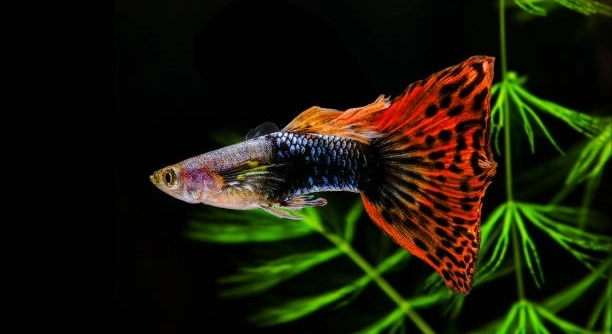
Is your guppy swimming less, eating poorly, or showing dull colors that weren’t there before? It might be time to look at their care more closely and make a few natural adjustments to their routine.
Improving guppy health naturally involves consistent tank maintenance, a varied and balanced diet, stress reduction, and the use of natural supplements. These steps support their immune system, promote active behavior, and reduce the risk of common diseases.
Small changes to their diet, water conditions, and environment can lead to long-lasting improvements in their health and quality of life.
Keep the Water Clean and Balanced
A clean tank is the foundation of guppy health. Dirty or unbalanced water can cause stress and illness quickly. Perform small, regular water changes each week, about 20–30%, to remove waste without shocking the fish. Test water parameters regularly, especially ammonia, nitrite, nitrate, and pH. Aim for a pH between 6.8 and 7.8, and keep ammonia and nitrite levels at zero. Stable water temperature is also important—guppies do best between 74°F and 82°F. Using a water conditioner when adding new water helps remove chlorine and other harmful chemicals. If the water looks cloudy, it may indicate an imbalance or buildup of organic waste. A sponge filter can support biological filtration without disturbing your guppies. Maintaining water quality consistently helps prevent disease, supports digestion, and keeps colors bright. Over time, these habits create a low-stress environment where your guppies can thrive and show natural behavior.
Clean water protects guppies from stress and harmful bacteria, which can lead to infections and poor growth.
Once guppies are placed in a well-maintained tank with clean water and steady temperature, they tend to become more active, eat better, and show vibrant colors. Keeping their environment safe supports their natural immune response and daily comfort.
Provide a Balanced Diet
Feeding your guppies a varied diet supports their health, energy, and ability to resist disease.
Guppies need more than just flakes. While quality fish flakes are a good base, including live or frozen foods like daphnia, brine shrimp, or bloodworms a few times per week adds protein and natural enrichment. Vegetables like blanched spinach or zucchini can be offered occasionally, giving them essential nutrients and fiber. Too much of any one food can lead to bloating or nutrient imbalance, so mixing things up is key. Feed them in small amounts once or twice a day—just enough so they finish it in a minute or two. Overfeeding creates waste that can dirty the tank and cause water issues. Observe your guppies while feeding to check their energy levels and appetite. A healthy guppy will be active and show interest in food. When their diet is balanced, guppies grow better, show brighter colors, and are more resistant to illness over time.
Reduce Tank Stress
Stress can weaken a guppy’s immune system and increase the chance of illness. Common stress factors include sudden changes in water temperature, overcrowding, aggressive tank mates, or poor lighting. Reducing these issues can quickly improve their overall behavior and energy levels.
To minimize stress, avoid placing guppies with larger or fin-nipping fish. Stick to calm tank mates that don’t compete aggressively for food. Maintain stable water conditions by using a heater and thermometer to keep the temperature consistent. Sudden changes can lead to shock or infection. Keep the tank in a quiet area, away from loud sounds or vibrations. Providing hiding spots with plants or decorations helps guppies feel safe and secure. Limit handling, and avoid tapping on the glass, as this startles them. The calmer their space, the more natural their movements and feeding behavior will be, which leads to improved health and stronger resistance to disease.
Giving guppies a low-stress environment allows them to display normal social behavior like schooling, gentle chasing, and active swimming. If you notice your guppies hovering near the bottom or hiding often, it may be a sign something’s off. Watch how they interact daily—small changes in setup can make a big difference in their comfort.
Add Natural Supplements
Natural supplements help strengthen guppy health without harsh chemicals. Indian almond leaves are often used to improve water quality and support fin healing. Garlic extract, used in small amounts, can boost immunity and appetite in weaker fish.
Adding Indian almond leaves releases tannins that lower pH slightly and have antifungal and antibacterial properties. These are especially useful in quarantine tanks or when introducing new fish. They also create a more natural setting that mimics the guppies’ native habitat. Garlic extract is another option. A tiny drop added to food once or twice a week can help fight internal parasites and encourage picky eaters. Just be sure not to overuse it, as too much can pollute the water. You can also try aloe vera-based water conditioners, which soothe irritated skin and support slime coat health. Natural supplements should be used in moderation, alongside regular care routines, to avoid overcomplicating their environment.
Introduce Live Plants
Live plants help improve guppy health by keeping the water cleaner and more stable. They absorb waste like nitrates, provide oxygen, and create shelter. Popular options include java moss, hornwort, and anubias—easy plants that grow well in most guppy tanks without much effort.
Having live plants also reduces stress by offering shaded spots and places to hide. Guppies use them to rest, explore, and feel secure. This creates a more natural and calming space. Healthy plants support better water quality, which makes it easier to keep guppies active, colorful, and less prone to illness over time.
Observe Daily Behavior
Watch how your guppies swim, eat, and interact each day. This helps you catch problems early. Sudden changes like clamped fins, poor appetite, or gasping at the surface often point to health or water issues. Daily observation helps prevent small problems from getting worse.
Quarantine New Fish
Quarantine new fish for at least two weeks before adding them to your main tank. This prevents spreading diseases or parasites to your healthy guppies. Keep them in a separate tank with clean water, and observe closely for any signs of illness.
FAQ
How often should I feed my guppies?
Feed guppies once or twice a day in small amounts they can finish within one to two minutes. Overfeeding causes leftover food to break down in the water, creating harmful conditions. A mix of flake food and high-protein treats a few times a week is enough for balanced nutrition.
Can I keep guppies with other fish?
Yes, but it’s important to choose peaceful tank mates. Avoid aggressive or large fish that may nip fins or outcompete guppies for food. Good options include mollies, platies, cory catfish, and neon tetras. Always monitor the group to ensure everyone is getting along.
Do guppies need a heater?
Most of the time, yes. Guppies thrive in warm water between 74°F and 82°F. If your room temperature drops below this range, you’ll need a heater to maintain stability. Sudden drops in temperature can cause stress and increase the risk of illness.
How many guppies should I keep together?
Guppies are social and do best in small groups. Keep at least three, preferably more. A 10-gallon tank is suitable for up to five guppies. Just make sure you don’t overcrowd the tank, as that leads to poor water quality and stress.
What causes guppies to lose their color?
Color fading often comes from stress, poor diet, or bad water quality. Fixing these issues usually helps. Feed a protein-rich, varied diet and keep the water clean and stable. Also check for bullying or overcrowding, as those conditions can affect guppy color too.
Why is my guppy swimming at the top or bottom of the tank all the time?
Staying near the top may mean they’re not getting enough oxygen or that the water is poor. Hanging near the bottom could suggest illness, stress, or exhaustion. Test the water, check the temperature, and watch for other symptoms like clamped fins or labored breathing.
Do guppies need a filter in their tank?
Yes. A filter helps maintain good water quality by removing waste and circulating oxygen. Sponge filters are ideal for guppies since they’re gentle and don’t create strong currents. Even with a filter, you still need to do regular water changes.
How do I know if my guppy is sick?
Look for clamped fins, white spots, faded color, loss of appetite, or odd swimming patterns. These are common signs of illness. Isolate the sick fish if needed, and check the water quality right away. Early treatment gives them a better chance of recovery.
Can guppies survive without an air pump?
Yes, if your tank has a filter that creates surface movement to oxygenate the water. Still, in smaller tanks or heavily stocked setups, an air pump can help. It’s especially useful during hot weather when oxygen levels drop.
What natural remedies can help sick guppies?
Try Indian almond leaves for mild infections or stress. A small amount of aquarium salt can be added to help with minor skin issues, but always research the correct dosage. Garlic-infused food may boost immunity and help with appetite issues.
How long do guppies live?
With proper care, guppies usually live between 1.5 to 3 years. Clean water, good food, and low stress levels help them reach their full lifespan. Genetics also play a role, so buying from a healthy stock makes a difference in long-term health.
Why is one guppy chasing the others?
It’s usually a sign of mating behavior or dominance, especially from males. If it becomes constant and stressful, consider adding more plants for hiding or rebalancing the male-to-female ratio. Aim for two females per male to reduce aggressive behavior.
Do I need to use a water conditioner?
Yes, always use a water conditioner when adding tap water. It removes harmful chlorine and chloramines, which can damage gills and internal organs. Choose a conditioner made for freshwater aquariums, and follow the dosing instructions on the bottle.

Hello,
If you enjoy the content that we create, please consider saying a "Thank You!" by leaving a tip.
Every little bit helps us continue crafting quality advice that supports the health, happiness, and well-being of pets around the world, for pets of all shapes, sizes, and species.
We really appreciate the kindness and support that you show us!