
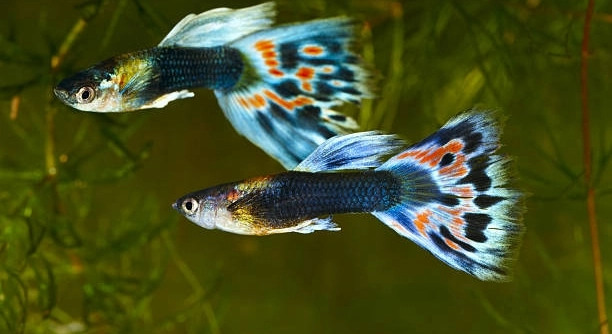
A healthy guppy tank is crucial for the well-being of your fish. One of the most important factors is maintaining the right temperature. Even a slight change in the water temperature can affect their health and behavior.
The temperature of your guppy tank directly influences your fish’s activity levels, feeding habits, and overall health. A temperature that is too high or too low can lead to stress, illness, and even death if not corrected.
By recognizing these signs early, you can ensure a more comfortable and stable environment for your guppies. Knowing how to identify and fix temperature issues can make all the difference in maintaining a thriving aquarium.
Fish Are Acting Unusually or Seem Stressed
If your guppies seem stressed or exhibit abnormal behaviors, such as rapid swimming, staying near the surface, or hiding more often, the temperature might be the issue. Guppies, like all fish, are sensitive to water changes. When the water is too hot or too cold, they may struggle to cope. They could also stop eating, which can lead to further health issues. Stress caused by temperature imbalance can weaken their immune system and make them more prone to illness.
Inconsistent behavior, such as resting on the bottom of the tank or moving sluggishly, is another sign to look out for.
The stress caused by improper temperatures isn’t just about behavior. It can also affect the health of your guppies. Extreme temperatures can disrupt their internal processes, like digestion and oxygen intake. This can weaken them, causing other health problems. You might notice unusual behavior or a decrease in their usual activity levels. If your guppies aren’t swimming as freely as they normally do, the water might need adjusting to make them feel comfortable again.
Guppies Are Not Eating Properly
If your guppies are refusing food or eating much less than usual, temperature fluctuations could be the cause. Guppies thrive at temperatures between 72°F and 78°F. When temperatures deviate, their metabolism slows down, leading to a loss of appetite. Whether the water is too hot or too cold, it will affect their desire to eat. This often goes unnoticed until feeding time becomes less of a routine.
An environment with inconsistent temperature can cause stress, reducing their ability to process food properly.
When the water is too cold, guppies’ digestive systems slow down, causing them to lose interest in food. On the other hand, higher temperatures may cause them to feel stressed, leading to the same result. These changes in eating behavior can be alarming, but they are often a sign that their environment needs to be stabilized. The best way to address this is by monitoring your tank’s temperature carefully and making adjustments if necessary.
Water Temperature Fluctuates Too Much
Temperature fluctuations can cause your guppies to feel uncomfortable. If the water temperature changes too often or drastically, it can lead to stress and unhealthy conditions. Guppies do well when the temperature remains stable. Frequent changes, even by a few degrees, can cause disruptions in their daily routines and metabolism.
A stable temperature is key for your guppies’ health. Sudden drops or increases in temperature can be too much for their bodies to handle, leading to weakened immune systems. This makes them more susceptible to diseases. Constant fluctuation can also lead to poor growth, disrupted breeding patterns, and early death in some cases.
To avoid these issues, invest in a reliable heater and thermometer. Regularly check your tank’s temperature to ensure it’s consistent. If you notice changes, make adjustments slowly to avoid shocking the fish. Maintaining a stable environment is vital for a thriving guppy tank.
Tank Is Too Hot or Too Cold
Extreme temperatures are a clear sign that something is wrong with your tank. If the water is too hot, guppies will swim erratically and may even gasp for air near the surface. On the other hand, if the water is too cold, they may become lethargic and inactive. Guppies are tropical fish, so they thrive in water temperatures between 72°F and 78°F.
When the temperature is too high, their metabolism speeds up, leading to faster stress and even death if not corrected. Too cold, and their immune system weakens, making them prone to infections. Finding the right balance is essential for their survival.
A water temperature that’s either too high or too low can disrupt their immune systems. This can cause guppies to become more vulnerable to diseases, making it harder to keep them healthy in the long run. Maintaining a steady, ideal temperature is key to preventing these issues and ensuring your fish remain active and happy.
Guppies Are Breeding Less or Not At All
When the temperature is off, your guppies may stop breeding. Temperature stress affects their ability to reproduce. Guppies typically breed when the water is between 74°F and 80°F. If the temperature falls outside this range, it can lead to failed attempts at reproduction.
Low or high water temperatures can disrupt hormone production, making breeding difficult. A stable, optimal temperature encourages successful breeding. By maintaining the proper conditions, you can support your guppies in producing healthy offspring.
Tank Heater or Thermometer Isn’t Working Properly
If your tank heater is malfunctioning, you may not notice it until problems arise. A broken heater can cause fluctuations in the water temperature, even if the display shows it’s working fine. Always check that the heater is functioning properly.
Check the temperature regularly to ensure accuracy. A thermometer gives you a clear reading of the tank’s true temperature. Keeping an eye on these devices can prevent unnoticed problems, ensuring the health of your guppies.
Guppy Tank Shows Signs of Algae Overgrowth
A change in temperature can lead to an algae bloom in your tank. Algae thrive in warmer waters, and if the temperature is too high, you may see an overgrowth. Not only does this affect water quality, but it can also cause oxygen levels to drop.
High temperatures accelerate algae growth, which consumes oxygen and can harm your fish. Guppies will struggle in these conditions, potentially leading to death. Keeping the temperature stable prevents excess algae and maintains a clean tank environment.
FAQ
What is the ideal temperature for a guppy tank?
Guppies thrive in temperatures between 72°F and 78°F (22°C to 26°C). This range ensures they remain active and healthy. Temperatures outside of this range can cause stress or health problems. Keeping the water temperature stable within these parameters is crucial for your guppies’ overall well-being.
How can I tell if my guppy tank is too hot?
If the water temperature is too hot, you may notice that your guppies swim erratically or near the surface, trying to get more oxygen. They might also become lethargic or show signs of rapid breathing. Overheating can also cause the fish to stop eating. Using a thermometer can help you spot and correct high temperatures.
How can I tell if my guppy tank is too cold?
When the water temperature is too cold, guppies will become sluggish and less active. They may spend more time at the bottom of the tank and breathe slowly. Cold temperatures can also weaken their immune systems, making them more vulnerable to diseases. It’s important to keep the water in the ideal temperature range.
How do I fix temperature issues in my guppy tank?
To fix temperature problems, first check the water with a reliable thermometer. If the water is too hot, reduce the temperature by gradually adjusting the heater. If it’s too cold, increase the temperature slowly to avoid shocking the fish. It’s important not to make rapid changes. Make sure your tank heater and thermometer are working correctly to maintain a steady temperature.
Can guppies live in water colder than 72°F?
While guppies can survive in slightly cooler water, they won’t thrive. Temperatures below 70°F (21°C) can stress them, slow their metabolism, and make them more susceptible to illness. For long-term health, it’s best to keep them in the recommended temperature range of 72°F to 78°F.
Can guppies live in water warmer than 78°F?
Guppies can handle temperatures slightly above 78°F, but if the water reaches 80°F (27°C) or higher, they will begin to experience stress. Prolonged exposure to high temperatures can cause them to stop eating, become lethargic, or even die. It’s important to keep the water temperature steady and within the safe range.
How do I maintain a stable temperature in my guppy tank?
To maintain a stable temperature, use a good-quality heater with a built-in thermostat. It’s also a good idea to place your tank in a location that doesn’t experience drastic temperature fluctuations. Keep the tank away from windows, air conditioners, and heaters. Regularly monitor the water with a thermometer to ensure consistency.
Is a heater necessary for a guppy tank?
Yes, a heater is generally necessary, especially if you live in an area with fluctuating room temperatures. Guppies are tropical fish, and a heater helps maintain the right water temperature. Without a heater, it’s difficult to maintain a consistent, warm environment for them. A reliable heater is essential for their health and comfort.
Can I use a heater with a built-in thermometer for my guppy tank?
Yes, heaters with built-in thermometers are convenient and can help maintain a stable temperature. However, it’s still a good idea to use a separate thermometer for more accurate readings. The built-in thermometer might not always be as precise, so double-checking with an external thermometer will give you peace of mind.
Why is my guppy tank’s water temperature fluctuating?
Temperature fluctuations can occur due to an unreliable heater, drafts in the room, or direct sunlight hitting the tank. A heater that isn’t working properly or one that’s too small for the tank can also cause temperature instability. Make sure to check the functionality of your heater and ensure the tank is in a temperature-stable spot.
Can temperature affect my guppies’ breeding?
Yes, temperature plays a major role in guppy breeding. If the water is too hot or too cold, it can disrupt their breeding cycles. Ideal temperatures encourage healthy breeding and ensure that the fish are active and ready to reproduce. Keeping the water temperature steady helps improve the chances of successful breeding.
What happens if the tank temperature changes too quickly?
If the temperature changes too quickly, it can shock your guppies, leading to stress, disease, or even death. Sudden changes in temperature can cause damage to their gills and internal organs. Always make gradual adjustments when you need to change the temperature, and monitor your guppies closely to ensure they’re coping well.
Should I add a fan to cool down my guppy tank?
Using a fan can help cool down your tank if the temperature becomes too high, but it’s not a long-term solution. A fan can only lower the temperature slightly and may not provide enough cooling on hot days. If you frequently have issues with high temperatures, investing in a quality aquarium chiller might be a better option.
Can a sudden increase in tank temperature harm my guppies?
Yes, a sudden increase in temperature can cause stress and lead to health problems for your guppies. It can increase their metabolism, causing rapid breathing and erratic behavior. Over time, this can weaken their immune system, making them more susceptible to illness. Always adjust the temperature slowly to avoid shocking your fish.
How do I know if my heater is set to the right temperature?
Use an aquarium thermometer to check the water temperature regularly. If your heater is set properly, the water should fall within the 72°F to 78°F range. If the heater is malfunctioning or inaccurate, it could cause the water to be too hot or too cold. Check the heater’s settings and adjust if necessary.
What are the signs of an overworked heater in a guppy tank?
An overworked heater might cause the water to heat up too quickly or unevenly. Signs of an overworked heater include fluctuating temperatures and guppies showing signs of stress, such as gasping for air or staying near the surface. You may also notice areas of the tank that feel too hot compared to others.
Final Thoughts
Maintaining the correct temperature in your guppy tank is essential for their overall health and well-being. Guppies are tropical fish that require stable conditions to thrive. If the temperature fluctuates too much or falls outside the ideal range of 72°F to 78°F, your guppies could face stress, weakened immune systems, and other health problems. Whether the water is too hot or too cold, these conditions can make your guppies more vulnerable to diseases and even affect their behavior, such as reduced activity levels or lack of appetite.
By regularly monitoring the water temperature with a thermometer and investing in a reliable heater, you can create a stable environment for your guppies. It’s also important to keep the tank in a spot away from drafts, direct sunlight, or temperature fluctuations caused by air conditioners or heaters. Having a consistent, optimal water temperature not only ensures that your guppies stay active and healthy but also supports their natural breeding cycles. If you notice any of the signs mentioned, such as unusual behavior or a lack of breeding, adjusting the temperature might be the first step to solving the issue.
In the long run, maintaining the right temperature for your guppies is one of the easiest and most important things you can do to keep them happy and thriving in their aquarium. Regularly check the heater and thermometer to avoid unexpected issues and ensure your tank stays within the recommended range. With a little attention and care, you’ll be able to provide your guppies with a stable environment where they can grow, breed, and live their best lives.

Hello,
If you enjoy the content that we create, please consider saying a "Thank You!" by leaving a tip.
Every little bit helps us continue crafting quality advice that supports the health, happiness, and well-being of pets around the world, for pets of all shapes, sizes, and species.
We really appreciate the kindness and support that you show us!