
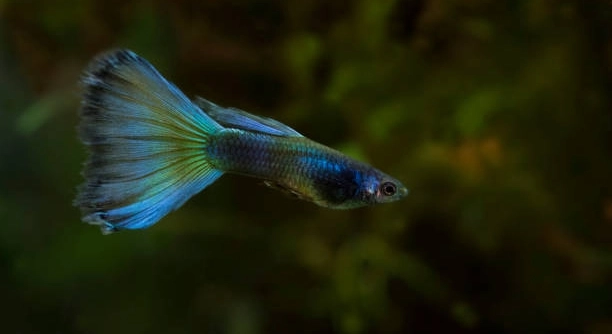
Guppies are small, vibrant fish that can be prone to stress from various factors in their environment. It’s important to recognize signs of stress early so that you can help them recover and maintain their health.
Helping guppies recover from stress requires a combination of proper care and environmental adjustments. Providing stable water conditions, minimizing disruptions, and offering a balanced diet are essential for reducing stress and promoting their well-being.
By understanding how stress affects guppies, you can take simple steps to create a calm environment. These tips will help ensure your fish recover and thrive.
1. Maintain Stable Water Conditions
Water quality is the most important factor in helping guppies recover from stress. If the water temperature fluctuates or the pH is off balance, your guppies can become stressed. Keeping the tank water clean is essential for their well-being. Regular water changes, at least 20-25% weekly, ensure toxins like ammonia and nitrites don’t build up.
Changing the water frequently not only improves water quality but also maintains the right temperature. Guppies thrive best in water that’s between 72-82°F (22-28°C). Using a reliable thermometer can help you monitor the temperature consistently.
Additionally, ensuring your filtration system is working properly can help maintain a healthy environment. If your tank is small, it’s even more important to stay on top of water changes and filtration. A stable and clean environment will reduce the chances of your guppies becoming stressed, allowing them to focus on healing.
2. Avoid Overcrowding
Overcrowding can lead to increased stress levels in guppies. Too many fish in a small space result in competition for food and territory. If your tank is overstocked, guppies may feel threatened and stressed, leading to health problems.
It’s vital to follow stocking guidelines when setting up your aquarium. Each guppy needs enough room to swim freely without feeling cramped. Typically, one inch of fish requires one gallon of water. Keeping a proper fish-to-water ratio ensures your guppies feel comfortable and less stressed.
Stress can also be triggered by aggressive behaviors in overcrowded tanks. Some guppies may display fin-nipping or territorial fights, which can be avoided by giving them adequate space. Ensuring the tank size matches the number of guppies is a simple step to reduce their stress levels. Overcrowding is a problem that’s easy to fix, and it can make a significant difference in the health of your fish.
3. Provide a Balanced Diet
A well-balanced diet is key to helping guppies recover from stress. Stress can weaken their immune system, making them more susceptible to disease. Offering high-quality fish food that meets all of their nutritional needs ensures their body has the necessary energy for recovery. Make sure their diet includes protein-rich food, like flake or pellet food, and supplement with occasional live or frozen food like brine shrimp.
Be careful not to overfeed your guppies, as uneaten food can pollute the water, causing stress. A good rule of thumb is to feed them only what they can consume in a few minutes. Also, avoid changing their diet too often, as sudden changes can be stressful.
A variety of foods will not only provide the right nutrients but also keep your guppies engaged and active. Healthy, well-fed guppies are more likely to recover quickly from stress and enjoy long-term well-being. By giving them the right foods in the proper amounts, you are taking an important step in ensuring their recovery.
4. Reduce External Stressors
External stressors, such as sudden movements around the tank or loud noises, can affect your guppies. Guppies are sensitive to vibrations and changes in light. Placing your tank in a quieter area away from high-traffic zones in your home can reduce these stress triggers.
A calm environment is essential for your guppies to feel secure. Keeping the tank in a location where they won’t be startled by fast movements or loud sounds helps to minimize their stress. You should also avoid tapping on the glass or making sudden changes to the environment, as these actions can cause anxiety.
Creating a peaceful space for your guppies will help them feel more secure, which can be key to their recovery. A stable and peaceful environment is one of the most effective ways to help stressed guppies bounce back.
5. Monitor Water Parameters
Water parameters are vital for guppy health, especially when they are stressed. The pH, hardness, and ammonia levels must be regularly checked to ensure a healthy environment. Guppies prefer slightly alkaline water with a pH between 7.0 and 8.0.
Ammonia and nitrite levels should always be kept at zero, as these toxins can be harmful to guppies and stress them further. Invest in a good water testing kit to track these levels and make necessary adjustments. If water parameters are out of balance, guppies can have difficulty recovering from stress.
Regular testing allows you to spot problems early and correct them before they cause significant harm. If necessary, add water conditioners to adjust the pH or hardness. Consistently maintaining ideal water conditions helps guppies feel secure, reducing stress and supporting a healthy recovery process.
6. Provide Hiding Spots
Hiding spots offer guppies a safe space to retreat when they feel threatened or stressed. Adding decorations like plants, caves, or driftwood helps create these hiding places. Guppies are naturally shy fish and prefer to have areas where they can rest and feel protected.
When stressed, guppies may become more reclusive and seek out hiding spots. By offering these spaces, you give your fish a sense of security, helping them recover. Live plants are especially useful, as they not only provide cover but also improve water quality by absorbing excess nutrients.
Hiding spots also reduce the chances of aggression from other fish. Guppies can take refuge in these areas, lowering the risk of being bullied. The more comfortable they feel, the faster they can recover from stress and return to their normal behavior.
7. Reduce Stress From Other Fish
Aggression from other tank mates can make it harder for guppies to recover from stress. Avoid keeping aggressive species with guppies, as their presence can trigger constant tension. Peaceful tankmates like other small fish can help create a more calming environment.
If you already have aggressive fish in the tank, consider separating them or introducing more hiding spots. This will give the stressed guppies a better chance to find refuge and feel safe. A peaceful community tank encourages cooperation, not competition, allowing all fish to thrive.
8. Control Light Exposure
Guppies need a consistent light cycle to feel secure. Too much light can stress them, while not enough can make them feel unsafe. Aim for around 10-12 hours of light per day. This mimics natural conditions and supports their recovery.
Additionally, sudden changes in light levels can cause stress. It’s best to avoid bright flashes or switching the tank light on and off frequently. Instead, use a timer to maintain a steady light schedule that helps your guppies feel calm. Guppies need time to adjust, and a stable light cycle will promote overall well-being.
9. Keep Stress to a Minimum During Treatment
When treating guppies for illness, it’s important to minimize stress. Moving them too often, handling them unnecessarily, or adding too many medications can increase their stress levels. Make sure the tank is calm and stable during treatment.
Use medications carefully and follow the instructions to avoid over-treatment. Avoid switching water conditions drastically and give the guppies time to adjust. Keeping the tank environment as stable as possible while treating will help your guppies recover more effectively.
FAQ
What are the signs that my guppies are stressed?
Stress in guppies can show in several ways. They may become lethargic, stop eating, or hide more often. If they swim erratically, dart around the tank, or have clamped fins, it’s a sign they are stressed. You might also notice their colors fading or them rubbing against objects in the tank. If any of these signs appear, it’s important to check their environment to identify potential stressors.
How can I fix the water temperature for stressed guppies?
Guppies prefer a water temperature between 72-82°F (22-28°C). If the temperature is too low or too high, it can stress them out. A reliable aquarium heater is essential to maintain a consistent temperature. Be sure to monitor the temperature regularly with a thermometer, making adjustments if needed. Rapid temperature changes should be avoided, as they can cause additional stress to your guppies.
What should I feed my stressed guppies?
A balanced diet is essential when guppies are stressed. Offer high-quality flake or pellet food, but also include live or frozen options like brine shrimp and daphnia. Protein is particularly important, as it helps their immune system recover. Ensure you’re not overfeeding, as uneaten food can pollute the water and worsen the situation. Feed them small amounts two to three times a day.
Can stress affect the health of my guppies long-term?
Yes, stress can have long-term effects on guppies. Chronic stress weakens their immune system, making them more vulnerable to diseases and infections. It can also shorten their lifespan and cause behavioral changes. Consistently stressed guppies may stop breeding and exhibit less vibrant colors. It’s important to create a calm and stable environment to reduce stress and promote their long-term health.
How often should I change the water for stressed guppies?
For guppies recovering from stress, you should change 20-25% of the water every week. This helps maintain clean and stable conditions. If the tank has higher ammonia or nitrite levels, or if it’s heavily stocked, more frequent water changes may be necessary. Always ensure that the new water is at the correct temperature and pH to avoid shocking your fish.
Is it safe to add new fish to the tank while my guppies are stressed?
Adding new fish during a stressful period is not ideal. The introduction of new tankmates can cause even more stress, especially if the new fish are aggressive or the tank is overcrowded. If you want to add more fish, it’s better to wait until your guppies have fully recovered and the tank environment is stable. This will help avoid further stress during their recovery process.
What kind of tank decorations help reduce stress for guppies?
Guppies feel safer and less stressed with plenty of hiding spots. Adding plants, rocks, driftwood, or aquarium caves can create these spaces. Live plants are particularly helpful, as they also improve water quality. Be sure to arrange decorations in a way that gives the guppies room to swim and hide if they feel threatened.
Can I use aquarium treatments to help stressed guppies recover?
Aquarium treatments, such as water conditioners, can be useful if your guppies are stressed due to poor water conditions. You can also use stress-relief products, such as aquarium salts, which can help with healing. However, treatments should not be overused. Only use them when necessary and follow the directions on the product carefully to avoid causing more stress to the guppies.
How do I avoid stressing my guppies when cleaning the tank?
When cleaning the tank, try to minimize disturbance. Avoid removing too much water or rearranging decorations too frequently. Clean the tank gently and slowly. Use a gravel vacuum to remove debris without disturbing the substrate too much. If you need to clean the filter, do so gently to avoid stressing out the fish.
Is it normal for my guppies to be more stressed during breeding?
Yes, it’s normal for guppies to be slightly more stressed during breeding. Males can become more aggressive, chasing females, which may cause some stress. It’s helpful to have plenty of hiding spots for females to rest and escape from aggressive males. Keeping the tank calm and stable during this time will help reduce stress.
Final Thoughts
Helping guppies recover from stress is an important part of maintaining their health and well-being. When your guppies show signs of stress, it’s crucial to act quickly and make the necessary adjustments in their environment. Ensuring stable water conditions, providing a balanced diet, and reducing stressors from other fish are some of the key steps to help them recover. A clean and peaceful tank will give them the best chance to bounce back, regain their health, and thrive. It’s essential to be proactive in managing their stress to avoid long-term health issues.
Additionally, monitoring factors such as temperature, water parameters, and light exposure can significantly reduce the risk of stress in the first place. Creating a comfortable environment where your guppies feel secure will help them live a longer, healthier life. Stress can weaken their immune systems, making them more vulnerable to disease. By addressing stress early, you’ll help your fish recover more effectively and maintain their vibrant colors and energetic behavior. Keeping the tank clean, well-maintained, and providing enough space for all fish to thrive is key to a successful recovery.
Finally, remember that each guppy is unique, and recovery may take time. Some may bounce back quickly, while others may need more time to adjust to their environment. Patience is essential. Keep observing your guppies and make adjustments as needed. Ensuring they feel safe and comfortable will help them get through stressful times and return to their normal, happy selves. With the right care and attention, your guppies will recover and continue to bring joy to your aquarium.

Hello,
If you enjoy the content that we create, please consider saying a "Thank You!" by leaving a tip.
Every little bit helps us continue crafting quality advice that supports the health, happiness, and well-being of pets around the world, for pets of all shapes, sizes, and species.
We really appreciate the kindness and support that you show us!