
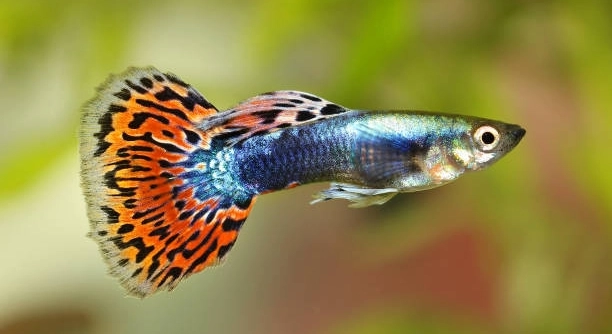
Guppy fry are adorable and fascinating, but sometimes they may refuse to eat, leaving you worried. Understanding the possible reasons for this behavior can help you care for them better and ensure they thrive in your aquarium.
Guppy fry may refuse to eat due to factors like water quality, temperature fluctuations, stress, illness, or an unsuitable environment. Overcrowding, improper food size, or wrong feeding times can also contribute to their reluctance to eat.
Addressing these causes will improve the chances of your guppy fry eating and staying healthy. By recognizing the problem early, you can ensure your fry grow strong and vibrant.
Water Quality and Poor Filtration
Poor water quality is one of the most common reasons guppy fry refuse to eat. If the water is dirty or has high levels of ammonia, nitrites, or nitrates, it can make the fry feel stressed. Guppy fry are particularly sensitive to water conditions. High levels of waste or chemicals can cause them to stop eating altogether. If you notice your fry avoiding food, it might be a sign that the water needs to be cleaned.
One solution is to check the water regularly for toxins, ensuring levels are within safe ranges. Regular water changes will also help improve the overall quality of the tank.
To keep your guppy fry happy and healthy, you need to maintain a clean, well-filtered environment. Using an appropriate filter and doing partial water changes frequently will keep toxins at bay. It’s also important to monitor the pH level and temperature, as extremes can make the fry uneasy. By creating a stable, clean environment, you’ll help your fry feel more comfortable and encourage them to eat.
Incorrect Temperature
Guppy fry require stable water temperatures to stay active and healthy. If the water is too cold or too hot, they might stop eating. This stress can cause them to become sluggish and disoriented. Maintaining a steady temperature between 75°F and 80°F (24°C to 27°C) is ideal for guppy fry. Sudden temperature changes can make them feel unsafe, leading to a lack of appetite.
Temperature swings can be avoided by using an aquarium heater with a thermostat. Ensure the heater is set to the correct range and avoid placing the tank in a drafty area. If you’re using a thermometer, check it often to avoid any surprises.
By keeping the temperature stable, your guppy fry will stay active, hungry, and comfortable. This helps them build the energy they need for growth and development. Fry that are too cold may refuse to eat simply because they are not able to properly digest their food.
Stress from Overcrowding
Overcrowding can stress guppy fry, making them reluctant to eat. If there are too many fry in the tank, it leads to competition for food and a more stressful environment. Guppy fry are small and vulnerable, so it’s important to give them enough space to feel safe.
To prevent overcrowding, ensure your tank has adequate space per fry. A good rule of thumb is to keep about one fry per gallon of water. Additionally, consider separating the fry into smaller groups as they grow to give them more space to thrive. Proper space and fewer competitors can reduce stress and help your fry focus on feeding.
Reducing overcrowding will allow each guppy fry to get enough food and grow without stress. It also improves water quality by preventing excessive waste buildup. If possible, move any adult fish out of the fry tank, as they can compete for food or even see the fry as prey. A less crowded environment will not only help your fry eat better, but it will also contribute to their overall health and survival.
Illness and Parasites
Guppy fry may stop eating if they are sick or infected with parasites. Illness can cause them to lose their appetite or become too weak to feed. Common symptoms of illness in guppy fry include lethargy, abnormal swimming, and visible spots or lesions on their bodies. If they are not eating, this may indicate that something is wrong with their health.
To address illness, it’s important to observe your fry closely for any signs of disease. If you suspect a problem, quarantine the affected fry in a separate tank to avoid spreading any potential infections. Treating the illness with appropriate medications can help restore their appetite and health.
Parasites like worms or protozoans can also be a factor. In these cases, medication designed to eliminate specific parasites may be necessary. Regularly check for unusual behavior or physical symptoms, and don’t hesitate to consult with an aquarium specialist if needed. Treating illness promptly can help your fry recover and resume eating as they should.
Wrong Type of Food
Guppy fry may refuse to eat if the food isn’t suitable for their small size. Foods that are too large, hard, or difficult to digest can discourage them from feeding. It’s essential to offer them food that is appropriate for their developmental stage.
Make sure to feed your fry fine, small particles of food. Powdered fry food or liquid fry food can be great options. You can also use finely crushed flakes or baby brine shrimp. This will ensure the fry can easily eat and digest the food you offer.
Providing the right type of food is key to ensuring that your guppy fry get enough nutrition. Food that is too large or difficult to consume can lead to frustration, causing the fry to refuse meals. You’ll also want to avoid overfeeding, as uneaten food can pollute the water and affect the fry’s health. By adjusting the food size and type, you can encourage your fry to eat and grow stronger.
Feeding Schedule
Inconsistent or irregular feeding schedules can affect your guppy fry’s eating habits. Fry need to be fed multiple times a day, especially in the early stages of growth. If you’re feeding them too infrequently, they may become uninterested in the food.
Establish a consistent feeding routine to ensure the fry are getting the nutrition they need. Ideally, feed them small portions three to four times a day. Make sure the food is gone within a few minutes to avoid excess waste.
A set feeding schedule helps guppy fry anticipate meal times and encourages them to eat more regularly. Regular, small feedings help to meet their nutritional needs while avoiding the stress that can come from overfeeding or underfeeding.
FAQ
Why aren’t my guppy fry eating?
There are several reasons why your guppy fry may refuse to eat. The most common causes include poor water quality, incorrect temperature, overcrowding, stress, illness, parasites, or improper food. Checking the water conditions, adjusting the temperature, and making sure you’re feeding the right type of food in proper amounts can solve many feeding issues. Fry can also be picky eaters and sometimes prefer freshly hatched brine shrimp or liquid fry food over powdered food. Observing their behavior and environment will help identify the problem.
How often should I feed guppy fry?
Guppy fry need to be fed multiple times a day when they are very young. Ideally, feed them 3-4 times daily with small portions. It’s important to offer enough food so they can eat, but not too much that uneaten food pollutes the water. Overfeeding can lead to water quality problems, which may further discourage the fry from eating. As they grow, you can reduce the number of feedings, but still aim for at least 2-3 times a day until they are older.
Can guppy fry survive without eating for a few hours?
Guppy fry can go for several hours without eating, especially if they are healthy and well-fed at other times. However, consistently missing meals can stunt their growth and development. For optimal growth and health, it’s important to stick to a regular feeding schedule. Young fry rely on frequent feedings to build up energy for proper growth and to keep their immune systems strong.
What is the best food for guppy fry?
Guppy fry need food that is small, soft, and easy to digest. Commercial fry food, often in the form of fine powder or liquid, is ideal for young guppies. You can also feed them finely crushed fish flakes or freshly hatched brine shrimp. The goal is to offer food small enough for them to consume and digest easily. This helps them grow faster and healthier.
Can guppy fry eat adult fish food?
Adult fish food is usually too large for guppy fry to eat. The size and texture of adult food can be hard for fry to digest, and they may not be able to consume it at all. It’s important to provide food that is designed for fry or crush adult food into smaller pieces. This ensures that they can properly feed and get the nutrients they need to grow.
Is it normal for guppy fry to be inactive?
Inactivity in guppy fry is not normal and may be a sign of stress or illness. Healthy fry are usually quite active, swimming around and foraging for food. If your fry are lethargic and not eating, it’s important to check water conditions, ensure the right temperature, and examine them for signs of illness. Sometimes, they may be inactive due to poor water quality or overcrowding. Solving these issues can often help them become more active and eager to eat.
How can I prevent water quality problems in a fry tank?
To keep water quality in check, perform regular water changes, ideally 10-20% of the tank’s water every 2-3 days. Use a good filtration system designed for fry tanks, but avoid filters with too strong a current, as it can stress the fry. Test the water regularly for ammonia, nitrites, and nitrates to ensure the levels are safe for your fry. Avoid overfeeding, as uneaten food can quickly degrade the water quality. Keep the tank clean and remove debris regularly to prevent bacterial growth that could harm your fry.
What temperature should I keep the fry tank at?
The ideal water temperature for guppy fry is between 75°F and 80°F (24°C to 27°C). Water that is too cold or too hot can stress the fry and cause them to stop eating. Use an aquarium heater with a thermostat to maintain a stable temperature. Rapid temperature changes should be avoided, as they can shock the fry and make them unwilling to eat. A thermometer placed in the tank will help you keep track of the temperature.
What should I do if guppy fry are still not eating?
If your guppy fry are still refusing to eat, try adjusting the water conditions. Make sure the water is clean and within the proper temperature range. Check for signs of illness or parasites, and isolate any sick fry to avoid spreading infection. Ensure that you’re offering the right type of food in the right size. If the issue persists, it may be worth consulting a fish specialist or veterinarian to rule out any health concerns. Sometimes, simply changing the environment or adding different food can help encourage them to eat.
Can I mix guppy fry with other fish?
It’s not recommended to mix guppy fry with adult fish, as they may become stressed or even be eaten. Adult fish may see the fry as food, especially if they are in a small tank. It’s best to keep fry in a separate tank with only other young fry. If you must have adult fish in the same tank, make sure there are plenty of hiding spots for the fry to retreat to. This gives them a better chance of survival.
When it comes to guppy fry, getting them to eat is a key part of raising healthy, thriving fish. There are a number of factors that can influence whether your fry will eat or not. Water quality, temperature, overcrowding, food type, and even illness all play a role in how likely your guppy fry are to consume their meals. Understanding these factors can help you create the right environment for your fry to grow strong and healthy. If your guppy fry are refusing to eat, checking these variables is the first step to solving the issue.
Maintaining a proper feeding schedule is essential for the health of your fry. They need to be fed small amounts multiple times a day to get the nutrition they require for healthy growth. Overfeeding can lead to water quality problems, so it’s important to feed only what they can eat in a few minutes. If you notice the food is not disappearing quickly, it may be worth cutting back on the amount or changing the type of food. Offering smaller, easier-to-eat food like powdered fry food, liquid food, or baby brine shrimp can help ensure your fry get the nutrition they need.
In the end, ensuring the right conditions for your guppy fry is crucial for their survival and well-being. By monitoring the water quality, temperature, space, and type of food offered, you can increase the chances of your fry eating and growing. If problems persist, it might be time to consult with an aquarium specialist. Their expertise can help you understand your guppy fry’s needs and how to best address feeding and health concerns.

Hello,
If you enjoy the content that we create, please consider saying a "Thank You!" by leaving a tip.
Every little bit helps us continue crafting quality advice that supports the health, happiness, and well-being of pets around the world, for pets of all shapes, sizes, and species.
We really appreciate the kindness and support that you show us!