
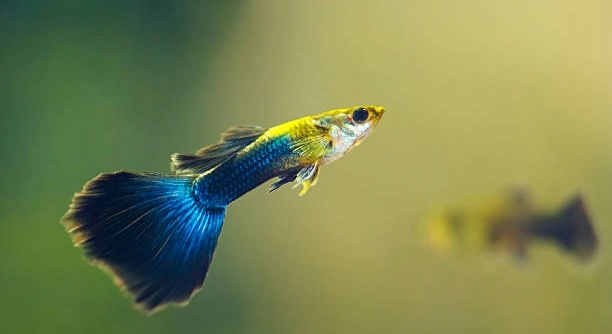
Creating a natural habitat for guppies in a tank can be a rewarding experience. It involves understanding the needs of these vibrant fish and enhancing their environment to replicate the wild. This simple guide can help you achieve that.
Making your guppy tank more natural involves adding plants, creating hiding spaces, ensuring the water quality is ideal, and using natural substrates. This helps replicate their natural habitat, making the fish feel more comfortable and reducing stress.
With a few adjustments, you can transform your tank into a more natural space for your guppies. These changes will support their health and improve their overall well-being.
Add Live Plants to the Tank
Adding live plants is one of the simplest ways to make your guppy tank feel more natural. Plants provide hiding spots, reduce stress, and help maintain water quality. Guppies enjoy exploring plants and will often swim between them, which gives them a sense of security.
Plants also help stabilize the water environment. They absorb excess nutrients and improve oxygen levels, which is crucial for guppy health. You can choose easy-to-care-for plants like Java moss, Anubias, or hornwort, which thrive in a variety of water conditions. These plants also offer a place for your guppies to hide and breed, making the environment feel more like their natural habitat.
By incorporating plants, you are not only enhancing the aesthetic of the tank but also contributing to the overall well-being of the fish. The natural filtration provided by plants reduces the need for constant water changes, while the plants themselves offer a safe, healthy space for your guppies to thrive.
Create Hiding Spaces
Guppies appreciate having hiding spots within their tanks. Hiding spaces allow them to escape from stress or potential threats.
Incorporating rocks, driftwood, or plants can create these spaces. It is essential to make sure they are arranged in a way that does not block water flow or create an unsafe environment. A well-structured tank offers balance between open areas and secluded zones, mimicking the natural world of these fish.
Use Natural Substrate
Using natural substrate, such as fine gravel or sand, helps mimic the natural environment of guppies. Avoid using brightly colored gravel or artificial materials, as they can disrupt the natural look.
Fine gravel or sand also allows for better water filtration, as it traps beneficial bacteria that help keep the tank clean. These bacteria break down waste and excess nutrients, which keeps the water healthy for your fish. Natural substrates also give your guppies a more authentic environment to sift through, as they would in the wild.
Additionally, certain substrates, like live sand, can promote the growth of microorganisms, which provide a natural food source for your guppies. This kind of setup encourages natural behavior, like foraging and exploring, leading to a healthier, happier aquarium.
Control Water Parameters
Maintaining proper water parameters is essential for creating a natural habitat. Guppies thrive in stable water conditions, so regular monitoring of pH, temperature, and hardness is important.
For ideal water conditions, the pH should be between 7.0 and 8.0, and the water temperature should stay between 72°F and 82°F. Regular water changes also help keep the environment clean and free from harmful substances. Additionally, using a good filtration system will keep the water oxygenated and clear, contributing to a more natural feel in the tank.
Ensure that the water is soft to moderately hard to match the natural waters of guppies. The right balance of minerals in the water promotes fish health, and stable water conditions help prevent stress, making your guppies feel more comfortable and at ease.
Add Aquarium Lights with a Natural Look
Choosing the right lighting is essential for creating a natural atmosphere. Go for lighting that mimics sunlight, with soft tones that help the tank feel more authentic.
LED lights with adjustable color temperature can help you achieve this. Aim for a warm, white light that will replicate daylight. This type of lighting encourages plant growth and enhances the vibrant colors of your guppies, creating a calming environment.
Proper lighting also benefits your fish’s well-being. It helps regulate their internal clock, promoting natural behavior patterns like swimming, resting, and foraging. When the lighting is more like their natural surroundings, guppies feel more at home.
Avoid Overcrowding the Tank
Overcrowding leads to stress and poor water quality. A tank that’s too full can make guppies anxious and affect their health.
Ensure there’s enough space for each fish to swim freely. A good rule is one inch of fish per gallon of water, which gives your guppies room to move and grow without feeling trapped. This also helps maintain the overall balance of the tank, promoting better water quality and reducing the chances of disease.
Use Natural Decorations
Natural decorations like driftwood, rocks, and shells make a guppy tank look more like their natural habitat. These items provide hiding places and add visual interest.
FAQ
What types of plants should I use in a guppy tank?
Guppies do well with a variety of plants, but some of the best choices are Java moss, Anubias, hornwort, and Amazon sword. These plants are easy to care for and can thrive in a range of water conditions. Java moss, for example, is excellent for creating hiding spots for fry and adult guppies. Anubias, with its slow growth, can be attached to rocks or driftwood, making it low-maintenance. Hornwort helps maintain water quality by absorbing excess nutrients, while Amazon sword plants grow large, creating a natural, lush look.
How often should I change the water in my guppy tank?
Water changes are essential to keep the tank healthy. For a tank with a few guppies, change 25-30% of the water every week. This helps to remove excess waste, prevent algae buildup, and maintain water quality. In a heavily stocked tank, you may need to increase the frequency of water changes. It’s also important to check the water parameters before changing it, as drastic changes can cause stress to your fish.
Do guppies need a filter in their tank?
Yes, a filter is highly recommended for a guppy tank. Filters help keep the water clean by removing debris, excess food, and waste. They also provide filtration to keep oxygen levels stable. Guppies, like all fish, need clean, oxygenated water to thrive, and a good filtration system helps maintain those conditions. However, choose a filter with adjustable flow rates, as guppies prefer slower currents.
Can I use tap water for my guppy tank?
Yes, you can use tap water, but it’s important to treat it before adding it to the tank. Tap water often contains chlorine and chloramine, which can be harmful to fish. Use a water conditioner to neutralize these chemicals. You also need to check the pH, hardness, and temperature of your tap water to ensure it matches the ideal conditions for guppies. If your tap water is too hard or too soft, you may need to adjust it using water conditioners or additives.
How can I keep my guppy tank from getting too dirty?
To prevent your tank from getting dirty, ensure a proper filtration system, avoid overfeeding, and remove uneaten food promptly. Regular water changes also help, as they prevent the buildup of toxins. Clean the substrate with a gravel vacuum to remove waste, and trim plants regularly to prevent them from decaying and releasing excess nutrients into the water. Lastly, avoid overcrowding your tank, as more fish means more waste.
Do guppies need a heater in their tank?
Yes, guppies are tropical fish, so they require a heater to maintain a consistent temperature of 72°F to 82°F (22°C to 28°C). If the water temperature fluctuates too much, it can stress the fish and lead to health problems. A reliable aquarium heater will ensure the water stays within the ideal range. Make sure to monitor the water temperature regularly to avoid overheating or cooling.
How many guppies can I keep in a 10-gallon tank?
In a 10-gallon tank, you can keep about 5-7 adult guppies, depending on the size of the fish and whether you include other tank mates. A good rule of thumb is to allow one inch of fish per gallon of water, so if your guppies are on the smaller side, you can keep more. However, overcrowding should be avoided, as it leads to poor water quality and stress for the fish.
What temperature is best for guppies?
Guppies thrive in water temperatures between 72°F and 82°F (22°C to 28°C). Keeping the temperature within this range helps maintain healthy metabolic function, breeding, and overall well-being. If the water is too cold, guppies may become lethargic or even fall ill. Similarly, water that is too hot can stress them out. Use a thermometer and a reliable heater to keep the temperature stable.
Are guppies easy to breed in a tank?
Yes, guppies are easy to breed, making them great for beginner fishkeepers. To breed guppies, simply provide a suitable environment with plants for hiding, a stable water temperature, and a few males and females. Guppies are livebearers, meaning they give birth to live young rather than laying eggs. Female guppies can store sperm from males, so even a single male can fertilize multiple females. After birth, the fry should be separated from the adults to prevent them from being eaten.
How can I prevent algae from growing in my guppy tank?
To prevent algae growth, limit the amount of light your tank receives. Algae thrives on excess light, so avoid leaving the lights on for too long each day—10 to 12 hours is ideal. You can also reduce the nutrients that feed algae by avoiding overfeeding and performing regular water changes. Introducing live plants into the tank can help compete with algae for nutrients. Additionally, using an algae scrubber or algae-eating fish like nerite snails or Amano shrimp can help keep it under control.
Can I keep other fish with guppies?
Yes, guppies are peaceful and can live with other non-aggressive fish. They do well in community tanks with species like neon tetras, mollies, and Corydoras catfish. However, avoid aggressive species that might bully your guppies or cause stress. It’s also essential to ensure all tank mates have similar water and temperature requirements.
How long do guppies live?
Guppies typically live for 2-3 years, although some may live longer with proper care. To maximize their lifespan, provide a stable environment, good water quality, and a balanced diet. Keeping the tank clean and avoiding overcrowding will also help keep your guppies healthy and happy throughout their lives.
Final Thoughts
Creating a more natural environment for your guppies is not only beneficial for the fish but also enhances the overall aesthetic of your tank. By making a few adjustments, such as adding live plants, providing hiding spots, and ensuring water quality, you can create a space that mimics their natural habitat. These changes can help reduce stress for your guppies, promoting healthier behavior and better breeding. Guppies, like most fish, thrive in stable, natural conditions, so small efforts in tank maintenance can go a long way in improving their well-being.
The importance of using natural materials, like fine gravel or sand, and providing the correct water parameters cannot be overstated. Guppies feel safer and more at home when their environment closely resembles their natural habitat. Adding plants also plays a significant role in maintaining water quality, as they act as natural filters. Similarly, a proper filtration system and water heater are essential to create a comfortable living space for your fish. Stability in temperature, pH, and water hardness is key to keeping guppies healthy and active.
While the process of creating a more natural tank may take time, it’s worth the effort. With some simple changes, you can provide your guppies with a better environment to live in. Whether it’s adjusting the lighting, controlling the water flow, or adding decorations that resemble their wild surroundings, each step contributes to a healthier tank. Maintaining a natural habitat for your guppies is an ongoing process, but the rewards—both in terms of the health of your fish and the beauty of your aquarium—are well worth it.

Hello,
If you enjoy the content that we create, please consider saying a "Thank You!" by leaving a tip.
Every little bit helps us continue crafting quality advice that supports the health, happiness, and well-being of pets around the world, for pets of all shapes, sizes, and species.
We really appreciate the kindness and support that you show us!