
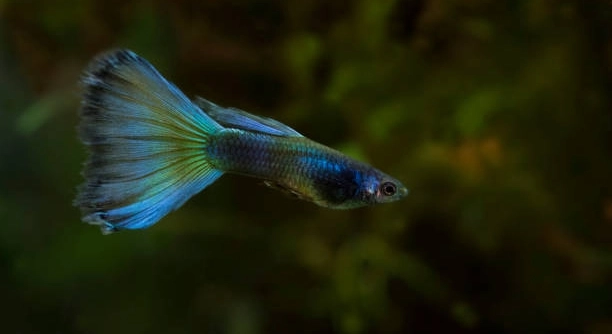
Guppy fry are fascinating to observe as they grow, but sometimes their behavior can change unexpectedly. It can be concerning for any fish keeper when these little ones act differently.
Changes in behavior are common in guppy fry and can result from various factors. The causes range from environmental stressors to health issues, changes in water quality, or even natural development as they mature. Identifying the cause is key to addressing it.
Knowing why these shifts happen can help you ensure your guppy fry grow up healthy and happy. In the following sections, we will discuss the most common causes of behavioral changes and offer helpful tips for your little guppies.
Water Quality Issues
Water quality plays a major role in the behavior of guppy fry. When water conditions are not ideal, it can cause stress, leading to changes in their usual activity levels. Common water issues include improper temperature, pH imbalances, high ammonia, and low oxygen levels. Guppy fry are particularly sensitive to these factors, and even slight changes can trigger behavioral shifts. If the water quality isn’t maintained, they may swim erratically, hide more often, or appear lethargic. Keeping the water parameters stable is crucial for their health and well-being.
A simple water test kit can help you monitor important factors like pH, ammonia, and nitrate levels. Regular water changes are essential, especially in tanks with many guppy fry.
If your guppy fry are showing odd behavior, a check of the water conditions should be your first step. Correcting water imbalances often brings them back to normal. Additionally, a clean tank promotes a healthier environment for growth, reducing stress on your fry. Regular filtration and aeration systems can help maintain ideal conditions over time, ensuring your fry thrive and behave normally.
Temperature Fluctuations
Temperature fluctuations are another common cause of behavioral changes in guppy fry. Guppies thrive in warm water, typically between 72°F and 82°F (22°C to 28°C). If the water temperature rises or drops too quickly, your fry might act strangely, such as darting around, staying near the surface, or swimming in circles.
Sudden temperature changes can stress fry and slow their growth, making them more susceptible to illness. It’s important to maintain a consistent water temperature, so investing in a good heater and thermometer is a wise move. When water is too cold or too hot, guppy fry may not be able to properly digest food or may become more prone to infections.
To avoid temperature issues, place the tank away from drafts, direct sunlight, or sources of heat. Consistent, warm water helps guppy fry grow strong and behave naturally, which leads to a more active and healthy environment.
Overcrowding
Overcrowding is a common issue that affects guppy fry behavior. When too many fry are in a small tank, it leads to stress, poor water quality, and limited space to swim. This results in erratic swimming patterns or hiding behavior.
Crowding can also lead to competition for food, with weaker fry not getting enough to eat. They may seem more aggressive or withdrawn, which affects their health and growth. Adding extra space or removing some fry to other tanks can improve their behavior.
To avoid overcrowding, ensure the tank has enough space for each fry. A 10-gallon tank can comfortably house about 10-12 fry, and it’s important to provide hiding spots and plants to reduce stress. Regular water changes and monitoring the fry population help maintain a healthy balance. With enough space, your guppy fry will behave more naturally and have room to grow properly.
Lack of Food
If guppy fry aren’t getting enough food, their behavior will change. They may appear less active, swim slower, or seem to be constantly searching for food. Fry need a nutrient-rich diet to grow strong and healthy.
Feeding your guppy fry properly involves providing them with small amounts of high-quality food, such as baby brine shrimp or specially formulated fry food. Overfeeding can lead to water quality problems, so it’s essential to feed them small portions throughout the day. Ensure they are getting enough nutrients for healthy development.
A balanced diet is essential for proper growth and activity. Without enough food, your guppy fry may exhibit lethargy or difficulty swimming. They can also become more vulnerable to disease and stunted growth. Make sure to offer the right foods at the right frequency to keep them healthy and active.
Illness or Disease
Illness can cause noticeable changes in the behavior of guppy fry. Sick fry may swim slowly, hide more often, or lose their appetite. It’s important to observe any sudden behavior changes as they could be signs of a disease.
Common issues like bacterial infections or parasites can cause these symptoms. If you suspect illness, you may need to treat the tank with medication or isolate the sick fry.
Fry with weak immune systems may exhibit different behavior when infected. Early detection is key to preventing the spread of illness to other fry. Keeping the tank clean and monitoring for symptoms can help ensure your fry remain healthy.
Natural Growth and Maturation
As guppy fry mature, they undergo natural behavioral changes. In the early stages, they are often more active and curious, but as they grow, they become more independent and exhibit different behaviors.
This shift can sometimes seem like a sudden change, but it is a normal part of their development. As they approach adulthood, they will begin to interact more with each other, and their swimming patterns might evolve.
These changes are usually nothing to worry about. It’s simply their growth process, and providing a consistent environment will support their development. Make sure they continue to have space, food, and clean water as they grow.
Aggression Among Fry
Sometimes, guppy fry can show aggression as they mature. This is a normal part of their growth, as they begin to establish a social hierarchy. Fry may start chasing each other or displaying territorial behavior.
Aggression can be a sign that the fry are starting to show their dominant personalities. While this is typical, it can sometimes lead to stress or injury. Keeping the number of fry at a manageable level and offering plenty of hiding places will help reduce aggression.
Ensuring that the fry have enough space to spread out and that the tank is not overcrowded can help minimize fighting. You may also want to separate any overly aggressive fry from the group to maintain harmony.
FAQ
Why are my guppy fry swimming at the top of the tank?
Guppy fry may swim at the top of the tank if they are seeking oxygen. This can happen if the oxygen levels in the water are too low, or if the water temperature is too high. Fry are also naturally attracted to the surface where food often floats. To fix this, check the water’s oxygen levels, ensure the tank is properly aerated, and avoid high water temperatures. Regular water changes can also help maintain good oxygen levels.
Why are my guppy fry hiding all the time?
Hiding is a common behavior in guppy fry, especially if they are stressed or feel unsafe. They may be intimidated by larger fish in the tank or by other fry that are more active. Fry may also hide if the water quality is poor or if they’re not feeling well. Providing plenty of hiding spots, like plants or decorations, can help them feel secure. Regularly check the water parameters and remove any stressors from the environment.
How can I tell if my guppy fry are sick?
Sick guppy fry may display signs like swimming erratically, staying near the bottom or top of the tank, not eating, or having faded colors. They might also appear lethargic or have visible sores, lumps, or other physical abnormalities. If you notice these signs, check the water quality and consider isolating the sick fry to prevent the spread of illness. It’s also wise to consult with an aquarium professional or use a safe treatment in the tank.
What causes my guppy fry to stop eating?
A lack of appetite in guppy fry can be caused by various factors such as poor water quality, stress, or illness. If the fry are stressed due to overcrowding or aggression, they may not eat. Similarly, water conditions like a high ammonia level or extreme temperatures can make them lose their appetite. Ensure that the fry have access to clean, well-filtered water and are fed the right type of food. Offering smaller, more frequent feedings may help as well.
Can guppy fry live with other fish?
Guppy fry can live with other fish, but caution is needed. Larger or more aggressive fish may eat the fry. It’s important to choose tank mates that are peaceful and smaller in size. Some good companions for guppy fry include small, non-aggressive fish like neon tetras or small shrimp. Be sure to provide plenty of hiding spaces for the fry so they can escape from potential predators.
How long does it take for guppy fry to grow to full size?
Guppy fry typically reach full size in about 3 to 4 months. However, this can depend on various factors like diet, water quality, and genetics. Fry grow quickly if they are fed a nutritious diet, have plenty of space to swim, and live in clean water. Poor conditions may slow down their growth and development. Once they reach about 1 to 1.5 inches, they are usually considered adults and may start displaying mating behavior.
Why are some of my guppy fry smaller than others?
The size difference among guppy fry is often due to genetic variation or differences in feeding. Some fry may simply grow faster than others. If the smaller fry are struggling to get enough food, they may lag behind in growth. It’s important to feed them adequately and ensure that they have equal access to food. In some cases, weaker fry may not survive if they are not getting enough nutrients.
How can I prevent guppy fry from getting eaten by other fish?
To prevent guppy fry from being eaten, you can separate them from adult fish by using a breeder net or a separate fry tank. This keeps the fry safe while they grow. If you prefer to raise them in the same tank, ensure there are plenty of hiding spaces, such as plants or rocks, where they can escape from larger fish. Some aquarists also use a mesh screen or divider to keep fry in one section of the tank away from adult fish.
What’s the best food for guppy fry?
The best food for guppy fry includes live foods like baby brine shrimp, daphnia, and microworms. You can also use high-quality powdered or finely crushed flakes designed specifically for fry. These foods provide essential nutrients to support healthy growth and development. Feed the fry small portions throughout the day to prevent overfeeding and water quality issues. Ensure they have access to food that is small enough for them to consume easily.
Why are my guppy fry swimming in circles?
Swimming in circles can be a sign of stress or illness. Guppy fry may swim in circles if they are disturbed by water quality issues, such as high ammonia levels or improper temperature. They could also be dealing with a bacterial or parasitic infection. If the fry seem to be swimming in circles continuously, check the water parameters and isolate any sick fry for treatment. Stress-related behavior can usually be minimized by improving their environment.
Do guppy fry need light?
Yes, guppy fry need light, but not too much. They require a light cycle similar to the natural day and night cycle, about 12 to 14 hours of light per day. Too much light can cause stress and algae growth, while too little can disrupt their natural rhythms. Make sure the tank is well-lit during the day and dark at night to mimic their natural habitat. Adjust the light to avoid making the tank too bright or too dim for the fry.
How can I tell if my guppy fry are male or female?
It’s difficult to tell the sex of guppy fry when they are very young. However, as they grow, you can start noticing differences. Male guppies tend to have smaller, more colorful bodies, and their fins are usually more elongated. Females, on the other hand, are typically larger and have a more rounded belly due to their ability to carry eggs. You’ll start to see these differences around 4 to 6 weeks of age.
Final Thoughts
Guppy fry are delicate creatures, and their behavior can change for a variety of reasons. Understanding the causes behind these changes is essential for keeping your fry healthy and happy. Whether it’s water quality, stress, illness, or natural development, knowing what to look for helps you take the right steps to resolve the issue. By observing the fry closely and adjusting their environment, you can help them grow strong and thrive.
Consistency in water maintenance, feeding habits, and tank conditions plays a major role in the health of your guppy fry. Regularly check the water parameters, keep their tank clean, and offer proper nutrition to ensure their growth is steady. Changes in behavior are often a sign that something in their environment needs adjusting. Taking quick action can prevent further issues and make sure the fry grow up to be healthy adult guppies. It’s a rewarding process to watch them develop over time, and small improvements can go a long way in supporting their growth.
Patience is also important when raising guppy fry. As they mature, some behavior changes are completely normal, like when they become more independent or develop aggression. These natural changes are a part of their growth cycle, and with the right care, they will continue to adjust smoothly to their new stages of life. Pay attention to the subtle signs of stress or illness, but also enjoy watching them grow into beautiful adult guppies. By providing them with the best care, you’re setting them up for a long, healthy life.

Hello,
If you enjoy the content that we create, please consider saying a "Thank You!" by leaving a tip.
Every little bit helps us continue crafting quality advice that supports the health, happiness, and well-being of pets around the world, for pets of all shapes, sizes, and species.
We really appreciate the kindness and support that you show us!