
Identifying the gender of guppies can be tricky, especially for beginners. Understanding the differences between males and females is essential for proper care and breeding. This simple guide will make recognizing their gender a lot easier.
The easiest way to identify guppy gender is by examining their size, color, and fin shape. Males are typically smaller, more colorful, and have longer fins, while females are larger, more subdued in color, and have a rounder abdomen.
Knowing the gender differences will help you care for your guppies more effectively. Understanding these traits ensures you can provide the best environment for them. Keep reading to learn more about each gender’s characteristics.
Size Difference Between Male and Female Guppies
One of the first things you’ll notice when comparing male and female guppies is their size. Male guppies are typically smaller, often measuring around 1.5 inches. In contrast, female guppies can grow up to 2.5 inches. This size difference is especially noticeable when both genders are placed together in the same tank. While males may seem more agile, females are bulkier due to their larger bodies, which are needed for carrying eggs. This difference is easy to spot once you have a good look at both genders side by side.
Looking at your guppies’ size is an effective first step in determining their gender. Larger bodies and a rounder shape point to a female, while males are noticeably smaller.
The size difference is also significant when considering breeding. If you plan to breed your guppies, understanding the size differences will help you select the right pairs. The smaller, more agile males will chase after the females during courtship, while the larger females play a more passive role.
Coloration and Patterns of Male and Female Guppies
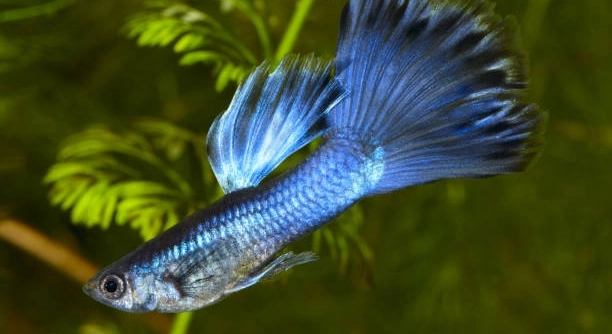
Male guppies are known for their vibrant colors and striking patterns. They tend to have bright hues of orange, blue, and red, with intricate patterns on their fins. This coloration helps attract females, especially during mating displays. On the other hand, female guppies are more subdued in color, typically appearing in shades of silver, gray, or light brown. Their lack of bold colors is a sign of their reproductive role, focusing more on carrying and protecting the next generation rather than attracting mates.
These visual differences make identifying the gender simple, especially when males and females are kept together in a tank.
As males mature, their colors become more pronounced. This is most noticeable when they interact with females during the breeding process. Their bright colors and unique patterns help to catch the attention of the females, ensuring that they are able to reproduce. For a better understanding of this, you’ll notice males actively displaying their colorful fins to show off.
Fin Shape and Behavior of Male and Female Guppies
Male and female guppies have different fin structures that can easily help identify their gender. Males have a special fin called the gonopodium, which is modified into a narrow, pointed shape. This fin helps the male to transfer sperm directly to the female during mating. In contrast, females have a broader, rounded anal fin. The difference in fin shape is often one of the easiest ways to distinguish the genders, especially if you’re able to catch a glimpse of the males’ unique gonopodium.
Male guppies are also more active than females, often swimming around faster and showing off their colorful fins. You will often observe males pursuing females as part of their courtship behavior, which is another giveaway. Females tend to be more passive, gliding through the tank, only moving actively when they feel the need to escape male attention.
Observation of the Gravid Spot in Female Guppies
One of the most noticeable signs of a female guppy is the gravid spot, located near her abdomen. This dark spot becomes more visible when she is pregnant. It’s a good indicator that the female is carrying eggs.
The gravid spot appears as a darkened area near the female’s anal fin. It’s more prominent as she gets closer to giving birth. The spot darkens and enlarges, giving a clear sign of pregnancy. It’s a helpful way to monitor the breeding cycle. By watching this spot, you can estimate when she might deliver her fry, making it easier to prepare her tank.
While the gravid spot is a key sign, it’s not the only clue to a female’s reproductive status. You’ll also see her body shape change as she carries more eggs, becoming rounder and fuller. If you’re observing a guppy with a large gravid spot and noticeable size, it’s likely she is soon to give birth.
Behavior Differences Between Male and Female Guppies
Male and female guppies often exhibit distinct behavior patterns. Males are more aggressive when courting females, displaying vibrant colors and chasing after them. Females are more relaxed and tend to swim slower.
Males will chase after females constantly, especially when they’re in a breeding cycle. They show off their beautiful fins, flashing their colors in attempts to attract females. This active courtship behavior is usually accompanied by quicker movements. Females, on the other hand, are typically slower swimmers, especially when they’re carrying eggs. They move at a more steady pace and may even avoid males that become too persistent. The difference in activity levels makes it easier to distinguish between the genders, even if they’re swimming together in the same tank.
When a female guppy is ready to give birth, she may become less active and retreat to quieter areas in the tank. Males, on the other hand, will continue to chase and display their colors, showing a clear contrast in behavior.
Male Guppies Have a Unique Tail Shape
Male guppies often have a distinct tail shape that sets them apart from females. Their tails are typically more elongated and pointed, giving them a sleek appearance. This tail shape aids them in swimming quickly, helping them chase after females.
Males’ tails are often larger and more pointed, with more vibrant colors. This tail shape is perfect for the quick movements required during courtship. Additionally, the tail’s shape may be slightly different based on the guppy’s genetic background, but it remains an easy-to-spot feature when distinguishing between genders.
Female Guppies Have a Fuller Body Shape
Female guppies have fuller, rounder bodies compared to males. This shape is necessary for carrying and protecting eggs, which is why their bodies tend to be bulkier.
The fuller body allows females to carry a larger number of fry at once. This is an important factor in breeding, as the size of the female indicates her capacity to carry more offspring. While males remain lean, females’ rounder appearance becomes more noticeable, especially when they’re pregnant. It’s one of the easiest ways to differentiate between the genders.
FAQ
How can I easily identify a male guppy?
Male guppies are typically smaller, more colorful, and have a pointed tail. Their fins are longer, and they often display vibrant colors like red, orange, and blue, especially during mating. The gonopodium, a specialized fin used for reproduction, is another distinguishing feature of male guppies. It is narrower and more elongated than the round fins of females.
What makes female guppies different from males?
Female guppies are larger and have a fuller body shape, especially when pregnant. They lack the bright colors seen in males and are usually more muted in tone, such as silver or brown. Their fins are also rounder, with no gonopodium. Females tend to swim slower and are more passive in behavior, especially when compared to the active males chasing them.
What is the gravid spot in female guppies?
The gravid spot is a dark area located near the female guppy’s abdomen, just behind the anal fin. This spot becomes more noticeable when the female is pregnant. It indicates that the female is carrying eggs, and its size and darkness increase as she gets closer to giving birth. This is one of the most reliable ways to identify a pregnant female.
Can guppy gender be determined at a young age?
It can be difficult to determine the gender of guppy fry at a very young age. However, by around 4 to 6 weeks, male guppies start to show their characteristic traits, such as bright colors, elongated tails, and the gonopodium. Females remain larger and less colorful as they mature.
Do male guppies help with raising the fry?
Male guppies do not participate in raising the fry. The role of raising offspring is entirely up to the female. Once the fry are born, they are left to fend for themselves. The males primarily focus on courting the females and displaying their colors to attract mates.
Is there a specific time for guppies to breed?
Guppies can breed year-round, as long as the water conditions are optimal. They are livebearers, which means they give birth to live fry rather than laying eggs. Females can give birth every 4-6 weeks if they are well-fed and in a stable environment. Male guppies, on the other hand, will attempt to mate with females whenever they have the opportunity.
Do female guppies get more aggressive when pregnant?
Generally, pregnant female guppies are less aggressive than usual. They often become more passive as they near the time of giving birth, spending more time hiding in plants or other sheltered areas in the tank. They might also swim less actively and avoid males more. However, their behavior can vary based on the tank environment and the presence of other fish.
How can I tell if my guppy is pregnant?
The most obvious sign of pregnancy in female guppies is the gravid spot, which darkens and enlarges as the female carries more eggs. Additionally, you may notice her abdomen expanding, and she will become more rounded as the pregnancy progresses. If you observe these signs, prepare for the birth of fry in the coming weeks.
What do I do if I notice a guppy giving birth?
If you notice a guppy giving birth, it’s important to separate her from other fish to prevent the fry from being eaten. You can place the female in a separate breeding tank or use a breeding box in the main tank to ensure the fry are safe. Once the female has given birth, you can return her to the main tank, and the fry can be left to grow in a safe environment.
How many fry do guppies have at once?
Guppies typically give birth to anywhere from 20 to 100 fry at once, depending on the size and health of the female. Younger females may have fewer fry, while older, healthier females may produce larger batches. The fry are born fully formed and can swim away immediately after birth, although they need plenty of hiding places to avoid predators.
Can guppies breed with other fish species?
No, guppies can only breed with other guppies. While other fish species may coexist peacefully in the same tank, they cannot crossbreed. Guppies are a distinct species, and their breeding is limited to other members of the same species. However, there are different strains of guppies, which can result in variations in size, color, and pattern.
How do male guppies court females?
Male guppies court females by displaying their vibrant colors and elongated fins. They often swim in front of females, showing off their most attractive features in an effort to catch their attention. The males may even perform a kind of dance, waving their tails and fins in a rhythmic motion to impress the female. If the female is interested, she will allow the male to mate with her.
Do male guppies have a role in protecting the fry?
Male guppies do not protect the fry. The fry are born into a dangerous environment, and their survival depends on finding safe hiding spots away from other fish, including adult guppies. While the female may provide a safer environment by hiding, the fry must survive on their own.
Can guppies change gender?
No, guppies cannot change gender. Unlike some species of fish, guppies are sexually dimorphic, meaning that males and females are distinctly different in size, shape, and color. Once a guppy reaches sexual maturity, its gender remains fixed, and there is no evidence to suggest that guppies can switch genders during their lifetime.
Do male guppies fight with each other?
Male guppies may sometimes engage in competitive behavior with each other, especially when they are both vying for the attention of a female. They may chase each other or display more intensely to assert dominance. However, these interactions are usually not violent and rarely result in injury. Male guppies generally focus on courtship and show no real aggression toward one another.
Is it better to keep more males or females in a guppy tank?
It’s generally recommended to keep more females than males in a guppy tank to avoid stress on the females. If there are too many males in the tank, they will constantly chase the females, which can result in exhaustion and stress. A good ratio is about 2-3 females per male. This helps ensure that the males can court the females without overwhelming them.
Final Thoughts
Identifying guppy gender can be straightforward once you understand the key differences between males and females. The size difference is usually the first thing you’ll notice, with males being smaller and females larger. Males are more colorful, with brighter fins and patterns, while females are generally more subdued in color. These visual differences, along with distinct fin shapes and the presence of the gravid spot in females, make it easier to tell the genders apart. With a bit of practice, you’ll be able to recognize the gender of your guppies without much effort.
Understanding these differences is helpful, especially if you plan to breed your guppies or provide proper care for them. Knowing the gender helps in creating a balanced environment and preventing overpopulation. It also ensures that you’re taking the best steps for breeding, including separating males and females when necessary. Whether you’re observing guppies for their beauty or breeding them, understanding how to identify their gender is a simple yet essential part of guppy care.
In the end, taking the time to learn how to identify male and female guppies can make your fish-keeping experience more enjoyable and rewarding. It’s a small investment of time that leads to better understanding and care for your guppies. With the right knowledge, you’ll be able to spot the differences between the genders with ease and ensure the well-being of both males and females in your tank. Keep an eye on their behavior, size, and coloration, and you’ll quickly become an expert at telling the genders apart.

Hello,
If you enjoy the content that we create, please consider saying a "Thank You!" by leaving a tip.
Every little bit helps us continue crafting quality advice that supports the health, happiness, and well-being of pets around the world, for pets of all shapes, sizes, and species.
We really appreciate the kindness and support that you show us!