
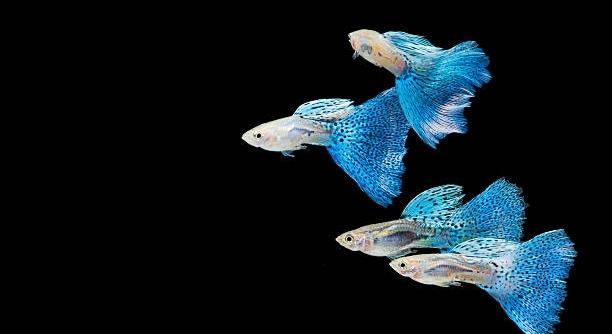
Guppies are active and curious fish, often in need of stimulation to stay healthy and engaged. Keeping them entertained is essential for their well-being, as it helps prevent stress and encourages natural behaviors. Here are some ways to do so.
The key to keeping guppies entertained lies in providing variety in their environment. Adding plants, decorations, and appropriate tank mates can stimulate their curiosity. Additionally, offering different foods and changing the tank’s layout can provide fresh experiences.
By considering these simple steps, you can create a more enjoyable environment for your guppies and ensure they remain happy and active.
Provide Plenty of Plants and Hiding Spots
A well-planted tank creates an environment where guppies can feel secure and entertained. Plants provide cover, giving them a place to hide and explore. They also create a more natural habitat, which is essential for guppy well-being. Adding both floating and rooted plants can keep the fish engaged as they swim through the leaves or nibble on plant matter.
With a mix of live plants like Java moss or Anubias, your guppies will enjoy the benefits of a more natural and dynamic environment. Live plants also help maintain water quality by absorbing excess nutrients.
In addition to plants, adding decorations like rocks, caves, or driftwood will further enrich your guppies’ habitat. The variety in their environment encourages exploration, which helps prevent boredom. Guppies are naturally curious, and a tank filled with different textures and hiding spots will ensure they stay active.
Introduce Tank Mates
Adding compatible tank mates can keep guppies social and engaged. Guppies thrive when they interact with other peaceful species, as this provides them with new opportunities for interaction and activity. Fish such as neon tetras, mollies, or corydoras make good companions.
Before adding new fish, research to ensure that the species are compatible. Guppies are peaceful, but some fish might cause stress or aggression, disrupting their well-being. Be sure to choose species that won’t outcompete your guppies for food or space.
A well-balanced, peaceful community tank creates an environment that promotes healthy behavior. When guppies are surrounded by other fish, they are more likely to swim around, interact, and stay engaged. This social aspect is beneficial for both their mental and physical health. Keep in mind that overstocking the tank can lead to stress, so always consider the tank size before introducing new fish.
Change Up Their Diet
Guppies enjoy a varied diet, and changing it up can keep them interested. Offering a mix of flakes, pellets, and frozen or live foods like brine shrimp or daphnia provides stimulation and encourages natural hunting behavior.
The variety also supports their health, as different foods provide essential nutrients. Offering foods with different textures and colors will grab their attention, making mealtime more engaging. Feed them small portions two to three times a day to maintain a healthy routine. Avoid overfeeding, as this can lead to water quality issues.
Changing their diet regularly gives guppies something to look forward to. They’re more likely to stay active, which promotes their overall health. A well-fed guppy is a happy guppy, so offer a mix of nutritious options, and don’t forget to clean up any uneaten food to prevent contamination.
Use Lights to Create a Day-Night Cycle
Proper lighting in a guppy tank mimics natural day-night cycles. It helps regulate their behavior and supports healthy sleep patterns. A consistent light schedule also encourages activity during the day.
Ensure the lighting is not too bright, as guppies prefer moderate light. Consider using a timer to maintain a routine, turning the lights on for 10 to 12 hours each day and off during the night. This promotes their natural circadian rhythms and helps them feel secure.
Also, try adding gentle lighting that shifts through the day. Gradually increasing and decreasing light intensity simulates the natural dawn and dusk transitions. This change helps regulate guppy behavior and keeps them engaged during their active periods. It can also make the tank more visually appealing for you.
Add Floating Objects
Floating objects like small pieces of driftwood or floating plants keep guppies entertained. They enjoy swimming around or resting near these objects, mimicking natural behaviors.
This setup encourages them to interact with their environment more. Floating plants like duckweed or water lettuce provide cover, while also offering something to nibble on. This addition helps keep your guppies engaged and active.
Use Tank Decor Creatively
Decorative items like caves, tunnels, or smooth stones create hiding spots and swimming challenges. Guppies love to explore and navigate through these obstacles, keeping them entertained.
The key is to arrange the decor in a way that encourages movement and exploration. This not only provides physical activity but also simulates their natural environment, allowing them to feel secure while they explore.
FAQ
How can I tell if my guppies are bored?
Bored guppies tend to become inactive and swim aimlessly around the tank. They may also appear more sluggish, spending more time hiding or staying near one spot. A lack of exploration or interest in food could be signs that they need more stimulation in their environment.
Can I keep guppies with other fish?
Yes, guppies are peaceful fish and can live with other non-aggressive species. Neon tetras, mollies, and corydoras are good companions. Just ensure all fish are compatible in terms of size and temperament, and avoid overstocking, which can cause stress.
How do I make my guppies feel safe?
Adding plants, hiding spots, and maintaining a stable water environment makes guppies feel secure. They prefer areas where they can retreat if they feel threatened, so be sure to provide plenty of cover like plants or decorative structures.
What temperature do guppies need?
Guppies thrive in water temperatures between 72-82°F (22-28°C). Maintaining a steady temperature within this range helps prevent stress and promotes healthy behavior. Using an aquarium heater will help regulate the temperature consistently.
How often should I feed my guppies?
Guppies should be fed two to three times a day in small portions. Overfeeding can lead to water quality issues. It’s important to feed them only what they can consume in a few minutes. This routine also helps them stay active and engaged.
Can I change the tank’s layout frequently?
Yes, changing the layout can keep your guppies entertained. Rearranging the tank, adding new plants, or switching out decorations provides a fresh environment for them to explore. Just make sure the changes are gradual and don’t disturb the water parameters too much.
What’s the best food for guppies?
Guppies enjoy a variety of foods. High-quality flakes or pellets are staples, but supplementing their diet with live or frozen foods like brine shrimp, bloodworms, or daphnia can provide additional nutrients and keep them engaged during feeding.
How do I know if my guppy is healthy?
Healthy guppies have clear, vibrant colors and swim actively in the tank. They should be eating regularly, and their fins should be intact and not ragged. If you notice dull colors, abnormal swimming, or a lack of appetite, these could be signs of illness or stress.
Why is my guppy swimming at the surface?
If your guppy is swimming at the surface, it could be looking for oxygen, especially if there’s a lack of water movement. Ensure the water has enough aeration by using a filter or air stone. It could also be a sign of stress or water quality issues.
What size tank do guppies need?
A 10-gallon tank is suitable for a small group of guppies. More space allows for better water quality and prevents overcrowding. The more space they have, the more active and comfortable your guppies will be.
Can guppies live without a filter?
While it’s possible to keep guppies without a filter, it’s not recommended. A filter helps maintain water quality by removing waste, uneaten food, and other debris. Without proper filtration, the water can quickly become toxic, harming your guppies.
How do I prevent my guppies from fighting?
Guppies are generally peaceful, but they can become territorial, especially if the tank is overcrowded. Avoid keeping too many males in a small space, as they may compete for attention from females. Adding plants or decorations can also break up territories and reduce aggression.
What should I do if my guppy is sick?
Isolate the sick guppy in a quarantine tank to prevent the spread of illness. Check water parameters and ensure the tank is clean. Research the symptoms to identify potential diseases, and consider consulting a veterinarian if needed.
How do I clean my guppy tank properly?
Perform partial water changes every week to keep the water clean and healthy. Use a siphon to remove debris from the substrate and wipe down the tank glass. Make sure the filter is cleaned regularly to maintain water flow and remove buildup.
Can I breed guppies in my tank?
Yes, guppies breed easily in a tank. If you have both males and females, they will likely breed on their own. To prevent overpopulation, consider separating the males and females or removing the fry before they grow up.
What other fish can live with guppies?
Guppies get along well with other peaceful fish like mollies, platies, and tetras. Avoid aggressive species like bettas or larger fish that may see guppies as food. Always check the compatibility of tank mates before adding them to ensure a peaceful environment.
How long do guppies live?
Guppies typically live for 2 to 3 years if they are kept in a healthy environment. Proper tank maintenance, a balanced diet, and stable water conditions can help extend their lifespan. Regularly monitor their behavior for signs of stress or illness.
What water conditions do guppies prefer?
Guppies prefer slightly alkaline water with a pH between 7.0 and 8.0. They also need soft to moderately hard water. Regularly check the water parameters to make sure they are within the right range for guppies to thrive.
Final Thoughts
Keeping guppies entertained requires understanding their needs and creating an environment that encourages their natural behaviors. By adding variety to their diet, changing their tank layout occasionally, and providing appropriate decor, you can ensure that they remain active and healthy. Guppies, like most fish, need stimulation to prevent boredom and stress, so offering them different types of foods and tank arrangements will keep them curious and engaged.
Additionally, creating a stable environment is key. Guppies thrive in a tank with proper water conditions, including the right temperature, pH, and cleanliness. Ensuring that your tank is well-maintained and providing hiding spots can reduce stress and help them feel more secure. Regular water changes and monitoring their health will make sure that your guppies are comfortable and can stay active. A healthy environment directly impacts their behavior, keeping them lively and happy.
Lastly, it’s important to remember that keeping guppies entertained doesn’t require constant effort. Once you set up a tank with the right balance of food, decor, and care, your guppies will naturally engage with their surroundings. Just make sure to adjust things periodically to keep them from getting too comfortable and losing interest. With these simple steps, you can ensure that your guppies stay entertained, healthy, and active in their aquatic home.

Hello,
If you enjoy the content that we create, please consider saying a "Thank You!" by leaving a tip.
Every little bit helps us continue crafting quality advice that supports the health, happiness, and well-being of pets around the world, for pets of all shapes, sizes, and species.
We really appreciate the kindness and support that you show us!