
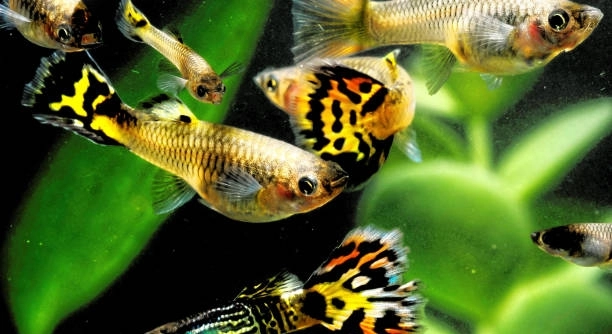
Guppy fry are known for their peaceful nature, but sometimes they may act aggressively. This behavior can be confusing, especially for new fish owners. Understanding the root causes can help ensure a healthy environment for your fry.
Guppy fry may act aggressively for several reasons, including overcrowding, territorial disputes, inadequate water conditions, poor diet, or stress. These factors can trigger aggression, leading to hostile behavior towards other fry or even adults in the tank.
Addressing the causes behind their aggression will help restore peace and keep your guppy fry thriving in a calm environment.
Overcrowding in the Tank
When there are too many guppy fry in one tank, it can cause stress and lead to aggressive behavior. Guppies are small and typically peaceful, but when space is limited, they feel crowded. This can trigger territorial instincts, especially in males, and result in fighting or chasing. Overcrowding also worsens water quality, as more fish produce more waste, affecting the overall health of the tank.
If you notice aggression among your guppy fry, it’s important to consider their living conditions. Ensuring they have enough space can help reduce competition and territorial disputes. Try not to overcrowd the tank beyond the recommended fish-to-water ratio, which is generally one inch of fish per gallon of water.
A proper tank setup with plenty of space to swim is essential for keeping guppy fry peaceful. Consider separating the fry by age or size to reduce tension. Adding more plants and hiding spots also helps create a more peaceful environment for them.
Water Quality and Temperature
Water quality is another major factor that can affect the behavior of guppy fry. Poor water conditions, like high ammonia or nitrite levels, can stress your fish, leading to aggressive actions. Guppies thrive in stable water temperatures, usually between 72°F and 82°F, with a slightly alkaline pH between 7.0 and 8.0. Keeping the water clean is vital to preventing aggression. Regular water changes are necessary to remove excess waste and maintain proper levels of oxygen and nutrients.
Water temperature that fluctuates too much can cause stress and lead to fighting. Keeping the temperature consistent helps guppy fry remain calm and reduces the chances of aggression. A good water filtration system can also improve the overall quality of the tank and reduce the frequency of aggressive behavior.
Providing clean water will not only reduce aggression but also promote the overall well-being of your guppy fry.
Inadequate Diet
A poor diet can lead to aggressive behavior in guppy fry. If their nutritional needs aren’t met, they may become stressed or fight over food. A diet lacking essential vitamins and minerals can cause them to act out. Ensure you’re feeding them high-quality, varied food such as finely crushed flakes, baby brine shrimp, or daphnia.
Feeding them the right balance of proteins, fats, and fiber helps promote healthy growth and behavior. Poor nutrition can weaken their immune system, making them more prone to illness and stress. An imbalanced diet may also lead to competition for food, which can trigger aggression among the fry.
Offering smaller, more frequent feedings can reduce food rivalry and keep aggression in check. You may also want to use a feeding ring to ensure all fry get access to food. Proper feeding practices go a long way in maintaining peace in the tank.
Stress
Stress is a major factor contributing to aggressive behavior in guppy fry. This can be triggered by several factors, such as sudden changes in the environment, loud noises, or even tank mates that are too large. Stress weakens the immune system and makes the fry more irritable.
To reduce stress, maintain a stable tank environment. Avoid sudden temperature changes and keep the tank in a quiet area to minimize noise. Also, ensure the fry have enough space and hiding spots to retreat to when they feel threatened. Stress can also come from being constantly chased by other fish or poor tank conditions.
Providing a stress-free environment is essential for keeping your guppy fry calm. Stress can lead to behavioral problems, so take the time to monitor their surroundings and make adjustments as needed. Proper care helps keep their aggression levels low and their health in good standing.
Poor Tank Setup
An unbalanced tank setup can contribute to guppy fry aggression. Without enough hiding spots, fry feel exposed and stressed, making them more likely to fight. Providing plants, decorations, and adequate space is crucial to reducing tension in the tank. A well-designed environment can ease their anxiety.
Having sufficient space for fry to swim freely prevents overcrowding and territorial disputes. Tanks that are too small or lack structure force the fry into close contact, which often leads to aggression. Offering places for fry to retreat to will help maintain a peaceful environment for them.
Aggressive Tank Mates
Adding aggressive or larger fish to a tank with guppy fry can cause unwanted aggression. Guppies are small and can’t always defend themselves from larger, more territorial fish. It’s important to carefully select tank mates that are compatible with fry to avoid stress and fighting.
Aggressive tank mates may not directly harm the fry but can intimidate them. This constant fear can stress the fry out, causing them to act aggressively towards one another. Consider adding peaceful species, such as snails or peaceful shrimp, to create a more stable environment for the guppies.
Lack of Proper Lighting
Lighting in a guppy tank can influence their behavior. Inadequate or harsh lighting can cause stress, making the fry feel unsafe. Too much light can also disrupt their natural day-night cycle, further affecting their stress levels and behavior. Proper lighting helps them feel secure.
A consistent day-night cycle with gentle, natural lighting helps maintain healthy behavior. Avoid using overly bright lights, as they can cause unnecessary anxiety in the fry. A simple aquarium light with a timer will allow your guppies to establish a routine, which reduces stress and prevents aggression.
FAQ
Why are my guppy fry fighting?
Guppy fry may fight due to several reasons, including overcrowding, lack of space, or stress. If their environment is cramped or they are in constant close contact, aggression can easily arise. Territorial disputes between males, especially during the early stages of growth, can also lead to fighting. Ensuring they have enough room to swim and places to hide can help reduce these conflicts. Providing a varied diet and maintaining clean water also contributes to their well-being, preventing aggressive behaviors triggered by stress or hunger.
Can guppy fry be kept with adult guppies?
It’s generally safe to keep guppy fry with adult guppies, as long as the adults are not overly aggressive. However, there is a risk that the adults might try to eat the fry, especially if they’re very small. To prevent this, consider adding plenty of hiding spaces for the fry, such as plants or decorations. You can also place the fry in a breeding box or separate section of the tank to ensure they stay safe until they are large enough to mix with the adults. This reduces stress and keeps them from being preyed upon.
How can I reduce stress for my guppy fry?
To reduce stress for your guppy fry, ensure they have an appropriate tank setup with plenty of space, hiding spots, and clean water. Keep the water temperature steady and avoid sudden changes that can cause shock. Make sure to feed them regularly with nutritious food to meet their needs, and monitor water quality, as poor conditions can also lead to stress. Additionally, maintaining a calm and quiet environment is important. Stress is often the result of sudden changes or disturbances in the tank, so try to keep their surroundings as stable as possible.
What is the ideal tank size for guppy fry?
A 10-gallon tank is usually recommended for a small group of guppy fry. This allows enough space for them to swim and grow without feeling cramped. Overcrowding can cause stress, which in turn leads to aggression. Larger tanks are preferable if you plan to raise more fry, as they provide more room for each guppy to establish its own territory. The general rule of thumb is to allow at least one inch of fish per gallon of water, though baby fry require less space than adults. Proper filtration and water circulation are also essential for maintaining a healthy environment.
Do guppy fry need a filter?
Yes, guppy fry need a filter to maintain water quality. A filter helps remove waste, excess food, and toxins that can build up in the tank, which is especially important for the tiny, delicate fry. However, it’s important to use a filter with a gentle flow to avoid sucking the fry into the intake. You may need to adjust the filter’s flow rate or use a sponge filter, which is more fry-friendly. Clean water is vital for fry health, as poor water quality can lead to illness and stress, potentially causing aggression.
How often should I feed my guppy fry?
Guppy fry should be fed multiple times a day in small amounts. Since they have tiny stomachs, it’s best to provide food that they can easily consume, such as finely crushed flakes, baby brine shrimp, or daphnia. Aim for 3-4 feedings daily. Overfeeding can lead to poor water quality, so only feed as much as the fry can eat in a few minutes. This regular feeding schedule helps ensure that they grow properly and reduces competition for food, which can also lessen the chances of aggression among the fry.
Is it normal for guppy fry to chase each other?
It’s normal for guppy fry to chase each other, especially as they grow and develop. This behavior is typically related to territorial instincts, particularly among males. As they mature, they may begin to establish dominance, leading to some chasing or nipping. However, constant or intense aggression should be monitored. If it seems excessive, it could be a sign of stress or overcrowding. Providing enough space and hiding spots in the tank can help reduce these behaviors and allow the fry to grow peacefully without constant conflict.
Can stress affect the growth of guppy fry?
Yes, stress can negatively impact the growth of guppy fry. If they are stressed, either due to poor water quality, aggression, or improper diet, their development can slow down. Chronic stress weakens their immune system and makes them more vulnerable to illness. Stressed fry may also exhibit poor feeding habits, leading to stunted growth. Ensuring a stress-free environment with stable water conditions, proper nutrition, and enough space to swim can promote healthy growth and help them develop into strong, mature guppies.
What is the best food for guppy fry?
Guppy fry require a high-quality, nutritious diet to grow properly. The best food for them includes finely crushed flake food, baby brine shrimp, daphnia, or specially formulated fry food. These foods are rich in proteins and nutrients that help the fry develop healthy fins, colors, and overall strength. You can also supplement their diet with live or frozen foods like infusoria or microworms. These small, protein-rich foods are ideal for young fry, ensuring they get the nutrition they need without risking overfeeding.
How can I tell if my guppy fry are healthy?
Healthy guppy fry are active and curious. They swim freely and appear alert, not lethargic or overly passive. Their fins should be fully developed and undamaged, and their bodies should be free of any visible sores or deformities. Healthy fry also have a vibrant color, depending on their strain, and they should actively seek food when offered. If the fry appear lethargic, have damaged fins, or show signs of illness like discoloration, it’s important to address the issue by checking the water conditions, diet, and tank setup.
Final Thoughts
Dealing with aggressive guppy fry can be frustrating, but understanding the underlying causes can make a significant difference in managing their behavior. Often, the aggression comes from factors like overcrowding, stress, or poor tank conditions. By paying attention to the environment in which they live, you can reduce these triggers and help your fry grow peacefully. Making sure they have enough space, hiding spots, and proper water quality is key to minimizing aggression. Once the environment is balanced, the fry are more likely to develop normally without fighting each other.
Another important consideration is tank mates. Guppy fry are small and vulnerable, and adding larger or more aggressive species can increase stress, leading to more fighting. While adult guppies can generally live alongside fry, it’s important to ensure that the adults aren’t causing harm or bullying them. A separate tank or breeding box for the fry can help avoid this issue, giving them a safe space to grow without fear. Additionally, introducing peaceful tank mates or considering a separate fry tank can provide a more relaxed environment for your guppy fry to thrive in.
Finally, it’s crucial to monitor the fry closely and adjust their environment as needed. Keep an eye on their behavior and physical health, and address any problems as soon as possible. Whether it’s adjusting the water parameters, changing their diet, or separating aggressive fry, small changes can have a big impact. By staying proactive and attentive to their needs, you’ll create a healthier and happier environment for your guppy fry to grow into strong, vibrant adult fish.

Hello,
If you enjoy the content that we create, please consider saying a "Thank You!" by leaving a tip.
Every little bit helps us continue crafting quality advice that supports the health, happiness, and well-being of pets around the world, for pets of all shapes, sizes, and species.
We really appreciate the kindness and support that you show us!