
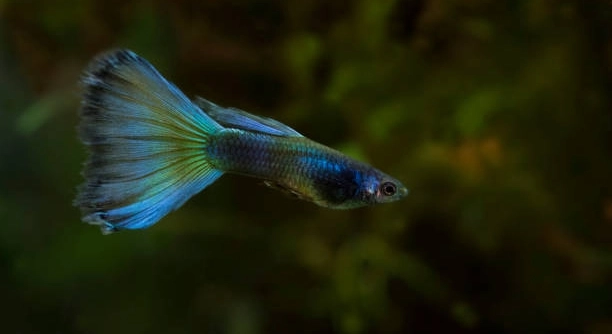
Guppies are small, colorful fish that require careful attention to their environment. They thrive in stable water conditions, with temperature playing a significant role in their health. Maintaining the right temperature is key to keeping them comfortable.
When a guppy’s water temperature becomes too high, it can lead to stress and health issues. Elevated temperatures can increase metabolism and cause fish to become lethargic or hyperactive, leading to potential complications such as reduced lifespan and weakened immune systems.
Recognizing the signs of overheating early can help prevent harm to your guppy. This article will explore the key indicators of a too-hot environment and how to address them for better care.
1. Guppies’ Behavior Changes When It’s Too Hot
When guppies are exposed to high temperatures, their behavior often shifts noticeably. You might notice that your guppy is swimming erratically or hovering near the surface of the water. They may spend more time near the heater or air pump, where cooler water is flowing. Guppies, like other fish, are cold-blooded, and their body temperature rises as the surrounding water gets warmer. This can lead to an increase in their activity levels as they attempt to escape the heat. However, prolonged exposure to such conditions can leave them weak and disoriented, which affects their overall health.
High temperatures can make guppies stress out quickly. When stressed, their immune systems weaken, making them more vulnerable to diseases. Over time, the constant stress from a warm environment will cause their metabolism to speed up, leading to quicker exhaustion.
Monitoring your guppy’s movements closely can give you early warning signs that the water temperature is too high. If your guppy is acting out of character, it’s essential to check the temperature immediately.
2. Reduced Appetite and Weight Loss
If the water gets too warm, your guppy may lose interest in food, leading to noticeable weight loss. This behavior is a common response to heat stress. Guppies tend to eat less when the water temperature exceeds their comfort zone. A lack of food intake may result in sluggishness and weight loss, which weakens the fish’s overall health.
When the water temperature is too high, your guppy may stop eating altogether. This can happen because their bodies are too stressed to focus on feeding. If you notice your guppy refusing food for more than a couple of days, it’s time to adjust the water temperature.
Ensuring that your guppy’s environment remains at a comfortable temperature is crucial for maintaining their appetite and health. Regularly feeding your fish will help them stay energized and healthy, preventing further complications down the line.
3. Increased Breathing Rate
When your guppy is too hot, it may start breathing faster, trying to get more oxygen. Warm water holds less oxygen than cooler water, so your fish may need to work harder to breathe. You might see them gulping for air at the surface more frequently. This is a clear sign that the water temperature is affecting them.
An increased breathing rate is often a reaction to the stress caused by high temperatures. As the fish’s body temperature rises, it accelerates their metabolism, increasing their need for oxygen. The warmer the water, the harder it is for your guppy to breathe. If you notice heavy breathing, consider lowering the temperature to reduce stress.
You can address this issue by improving water circulation, adding an air stone, or adjusting the temperature settings. A cooler tank environment helps reduce the fish’s stress, allowing them to breathe comfortably and maintain normal behavior.
4. Fading Colors
A guppy’s vibrant colors may begin to fade when the water is too hot. High temperatures can cause stress, which affects their pigmentation. In extreme cases, their colors might become dull or washed out, indicating that they are in discomfort. The stress impacts their overall appearance and vitality.
Color fading happens because the high temperature stresses their body, which can hinder the production of pigments in their skin. The constant strain on their system leaves them unable to maintain their natural brightness. This can make your guppy look pale and unhealthy, a sign that immediate action is needed to cool down the tank.
If you notice that your guppy’s colors are fading, it’s essential to take steps to cool the tank and create a more stable environment. Keeping the water temperature within an ideal range will help restore their color and improve their well-being.
5. Lethargy and Lack of Movement
Guppies exposed to too much heat may become lethargic, swimming less and resting more. They might hover near the bottom of the tank or stay still at the surface, indicating that they are not as active as usual. This change in behavior can be concerning.
A lack of movement is a result of heat stress, which slows down their metabolism and reduces their energy. The warm water forces your guppy to use more energy just to maintain basic functions, which leaves them less active and more prone to exhaustion. If this continues, your guppy’s overall health can decline quickly.
If you notice this behavior, check the water temperature right away. It’s important to bring the temperature down to a safer level and give your guppy a more comfortable environment.
6. Erratic Swimming Patterns
Overheating can cause guppies to swim erratically, making quick, sudden movements. This is often a reaction to the stress they are feeling in warm water. They may dart around the tank or swim in circles, unable to maintain a normal swimming pattern.
Erratic swimming can also result from oxygen depletion in warm water. When your guppy struggles to get enough oxygen, it will often become agitated, swimming in abnormal patterns. While this is common in high temperatures, the behavior should not be ignored, as it can indicate serious distress.
If this occurs, lowering the water temperature and ensuring proper aeration will help your guppy regain a calm, steady swim.
FAQ
Why is the water temperature important for my guppy’s health?
Maintaining the right water temperature is crucial for your guppy’s overall well-being. Guppies thrive in temperatures between 75°F and 82°F (24°C to 28°C). If the water gets too hot, it increases their metabolism, which can lead to stress, reduced immune function, and even death. On the other hand, temperatures that are too cold can also weaken their immune system and make them sluggish. Consistent water temperatures help ensure that your guppy remains active, healthy, and stress-free.
What signs should I look for to know if my guppy is too hot?
Signs of an overheated guppy include increased swimming at the surface, erratic swimming patterns, fading colors, reduced appetite, and rapid breathing. If you notice any of these behaviors, it’s important to check the water temperature immediately. Your guppy might also become lethargic or display signs of stress, such as hiding at the bottom of the tank. A sudden change in behavior could be an indication that your tank is too warm for comfort.
How can I regulate the water temperature in my tank?
Using a reliable aquarium heater is the best way to regulate water temperature. Make sure the heater is sized appropriately for your tank, as too large or too small of a heater can cause inconsistent temperatures. It’s also helpful to invest in an aquarium thermometer to monitor the water temperature regularly. Additionally, if your tank is in direct sunlight, moving it to a cooler area can help prevent overheating. In the summer, consider using a fan or cooling device to maintain a stable environment.
Can I fix a too-hot tank quickly, or is it dangerous?
It’s best not to make drastic changes to the temperature all at once. Rapid fluctuations can be just as harmful as consistently high temperatures. If you find that the water is too hot, try lowering the temperature gradually by adjusting the heater or adding cooler water in small increments. Sudden temperature drops can shock your guppy, leading to further health issues. Always aim for a steady, slow adjustment to help your fish adapt.
How often should I check the water temperature?
You should check the water temperature at least once a day, especially if you are using a heater. Fluctuations can occur throughout the day, particularly with seasonal changes, so daily monitoring helps ensure your guppy’s environment stays stable. If you notice unusual behavior from your fish, it’s a good idea to check the temperature more frequently. Some aquarium owners also check the temperature before adding food or doing maintenance.
What should I do if my guppy has been overheated?
If you suspect that your guppy has been overheated, the first step is to lower the tank temperature to a comfortable range. Provide a cooler environment by adjusting the heater and checking the room temperature. It may also help to reduce the light exposure, as bright lights can increase the temperature in the tank. Keep an eye on your guppy for signs of improvement, such as regaining appetite and normal swimming behavior. If symptoms persist, consider performing a water change to refresh the environment.
Can I add cool water to the tank if it’s too hot?
Yes, you can add cool water, but be careful. It’s important to add water that is close to the current tank temperature to avoid shocking the guppy. Pouring cold water directly into the tank can cause rapid temperature changes, which can stress or harm your guppy. Instead, add small amounts of cooler water over time, allowing the temperature to stabilize gradually.
What is the ideal temperature range for my guppy tank?
The ideal temperature range for guppies is between 75°F and 82°F (24°C to 28°C). This temperature range promotes their natural behaviors, including breeding and active swimming. If the water is too cold, guppies become sluggish, and if it’s too warm, they can become stressed. Maintaining a consistent temperature is key to their health.
How can I tell if my guppy is getting too stressed by the heat?
Stressed guppies often show signs like erratic swimming, lack of appetite, lethargy, or hiding at the bottom of the tank. If you notice these behaviors, it’s likely a sign that the temperature is too high. Stress can also lead to physical symptoms, such as faded colors or fin damage. Reducing the water temperature should help alleviate these signs and reduce stress.
Can a guppy survive in water that is too hot for a short period?
Guppies can tolerate high temperatures for short periods, but prolonged exposure can lead to serious health issues. If the temperature only increases slightly for a brief period, your guppy may recover once it returns to a normal range. However, consistently high temperatures can lead to exhaustion, disease, or even death. It’s important to address the temperature problem as soon as you notice it.
What are the risks of keeping my guppy tank too warm?
If the temperature is too high, your guppy may experience stress, a weakened immune system, and increased susceptibility to diseases. Heat stress can also reduce their lifespan and affect their overall health. In severe cases, excessive heat can lead to organ failure or death. Overheated water can also reduce the amount of oxygen available, making it harder for your guppy to breathe.
How can I prevent my guppy tank from getting too hot?
To prevent overheating, make sure your tank is not in direct sunlight or placed near heat sources. Use a high-quality aquarium heater with an adjustable thermostat to maintain a consistent temperature. Additionally, monitor the temperature regularly to ensure the heater is functioning properly. If you live in a particularly warm climate, you can also use cooling fans or a chiller system designed for aquariums.
Final Thoughts
Maintaining the right water temperature is essential for the health and well-being of your guppy. By ensuring that the water stays within the ideal temperature range of 75°F to 82°F (24°C to 28°C), you can create a stable environment where your guppy can thrive. When the temperature goes outside this range, it can lead to stress, health issues, or even death. Keeping an eye on the temperature with a reliable thermometer is one of the easiest ways to prevent these problems from happening. Regular monitoring helps you catch any temperature fluctuations before they have a serious impact on your guppy.
It’s also important to pay attention to the signs of heat stress in your guppy. If your guppy shows any signs of erratic swimming, lethargy, or a lack of appetite, it could be a sign that the water is too hot. In these cases, adjusting the water temperature slowly and making sure the tank is not exposed to direct sunlight can help. Adding cooler water gradually is another way to bring the temperature down without shocking your fish. Ensuring proper aeration in the tank can also help maintain healthy oxygen levels, which may decrease when the water temperature rises.
Overall, keeping a stable and comfortable environment for your guppy is key to helping them live a long and healthy life. A little effort in temperature regulation and observation can go a long way in preventing problems. With the right care and attention, your guppy will continue to be an active, colorful, and happy part of your aquarium. Always remember that a consistent and well-maintained tank is the foundation of a thriving aquatic life.

Hello,
If you enjoy the content that we create, please consider saying a "Thank You!" by leaving a tip.
Every little bit helps us continue crafting quality advice that supports the health, happiness, and well-being of pets around the world, for pets of all shapes, sizes, and species.
We really appreciate the kindness and support that you show us!