
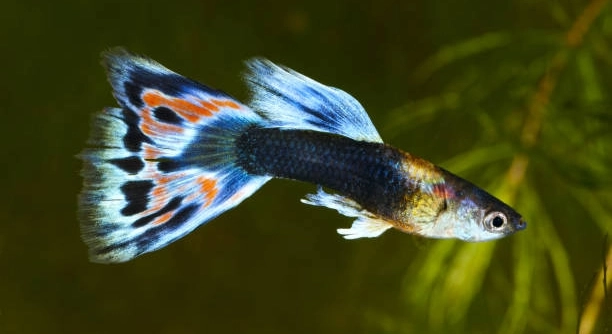
Guppies are known for their vibrant colors and lively nature, making them a popular choice for aquariums. However, sudden deaths in guppies can leave their owners puzzled and upset. Understanding how to prevent this can help ensure their well-being.
The main reasons guppies die suddenly are water quality issues, improper diet, overcrowding, or stress. Maintaining stable water conditions, feeding a balanced diet, and providing a calm environment are crucial steps in preventing these sudden deaths.
By making small adjustments, you can significantly improve the chances of your guppies living a long, healthy life. Keep reading for helpful tips on how to create the best environment for your guppies.
1. Maintain Clean Water Conditions
Water quality plays a crucial role in the health of guppies. Poor water conditions, like high ammonia levels or dirty tanks, can lead to stress and illness. Regular water changes and proper filtration are essential for keeping your guppies happy and healthy. Aim to change 25% of the water every week to prevent toxins from building up.
If your guppies are exposed to dirty water, they are more likely to experience sudden death. Using a reliable water test kit can help you monitor ammonia, nitrate, and pH levels. This ensures your guppies live in an environment that supports their needs.
Consider investing in a good filtration system that keeps the water clean while avoiding stress from constant water fluctuations. Maintaining the right water conditions can prevent many health issues, promoting a longer, healthier life for your guppies.
2. Provide a Balanced Diet
A varied and balanced diet is important for guppy health. Guppies need a combination of protein, vitamins, and minerals to thrive. Offer high-quality fish flakes, frozen or live food like brine shrimp, and vegetable matter for variety.
An improper diet can lead to weak immune systems and increase the likelihood of illness. Overfeeding should also be avoided, as leftover food can pollute the tank. Providing a nutritious diet in the right proportions is vital for ensuring your guppies stay strong and active.
If you notice your guppies becoming lethargic or losing color, it might be time to adjust their diet. A well-fed guppy will display vibrant colors and exhibit normal behavior, which is a good indicator of its health.
3. Avoid Overcrowding
Overcrowding is a major stressor for guppies. Too many fish in one tank can lead to poor water quality and competition for food, both of which can cause stress and health problems. Stick to a reasonable stocking level for the size of your aquarium to ensure all guppies have enough space.
When guppies are overcrowded, they are more likely to become stressed, which weakens their immune system. This can lead to sudden deaths, especially if combined with poor water quality. To maintain a healthy tank, follow the recommended guidelines for stocking based on your tank’s size and filtration capacity.
Providing ample space for each guppy reduces stress and promotes a peaceful environment. A tank that isn’t overcrowded will allow for proper water circulation and help maintain stable water conditions, preventing sudden, unexpected deaths.
4. Control Tank Temperature
Maintaining a stable water temperature is vital for guppy health. Guppies thrive in water temperatures between 72°F and 82°F (22°C – 28°C). Sudden temperature changes can cause stress and lead to illness or death. Use a reliable heater and thermometer to monitor the tank’s temperature regularly.
If the temperature fluctuates too much, guppies can become stressed, making them more susceptible to disease. Rapid changes in temperature can also cause shock, which can quickly lead to death. Keeping the water within the ideal range ensures that your guppies stay comfortable and healthy.
A consistent, appropriate temperature is crucial for maintaining a healthy tank. Without it, guppies may not be able to regulate their metabolism, and their immune system can weaken, leading to unexpected problems. Regular monitoring helps keep everything in balance.
5. Watch for Signs of Illness
It’s essential to keep an eye on your guppies for any signs of illness. Common symptoms include lethargy, loss of color, bloating, or rapid gill movement. If you notice any of these signs, take action immediately to prevent the spread of disease and ensure your guppy’s health.
Promptly isolating sick guppies in a quarantine tank can help prevent disease from spreading to healthy fish. If the problem is a bacterial or parasitic infection, using appropriate treatments can often save the affected guppy. Regular observation helps catch problems early before they turn into bigger issues.
Regular monitoring of your guppies ensures that minor health problems don’t develop into something more severe. It’s always better to act quickly to preserve the health of your fish and prevent a sudden loss.
6. Provide Hiding Spots
Guppies need places to hide and rest in the aquarium. Plants, rocks, and decorations offer the perfect spots for guppies to escape from any stress or aggression. Providing these hiding spots will help your guppies feel safe and secure in their environment.
Stress can lead to weakened immune systems and even death, especially in small fish like guppies. By offering hiding spots, you give them the opportunity to rest and recover from stress, which ultimately helps them thrive. If your guppies feel threatened, they will appreciate having a safe space to retreat.
Adding a few plants or decorations is a simple way to create a more balanced and natural environment for your guppies, promoting their long-term health.
FAQ
What should I do if my guppy is acting lethargic?
If your guppy is acting lethargic, it could be a sign of illness, stress, or poor water conditions. First, check the water quality, as poor water can cause your guppy to become sluggish. Use a water test kit to measure ammonia, nitrites, and pH levels. If the water checks out, look for any signs of disease, such as faded color or bloating. If no disease is visible, consider reducing the stress in the tank by adjusting water temperature, adding hiding spots, and ensuring there are no aggressive tankmates.
How often should I change the water in my guppy tank?
It’s recommended to change 25% of the water in your guppy tank every week. Regular water changes help maintain optimal water quality by removing excess waste, uneaten food, and harmful chemicals that build up over time. Be sure to use a water conditioner to neutralize chlorine or chloramine, which can harm guppies. Over time, poor water conditions can lead to stress, disease, and sudden deaths in your guppies.
Can guppies survive in unheated water?
Guppies can technically survive in unheated water, but they are more likely to become stressed or unhealthy. These fish are tropical and thrive in temperatures between 72°F and 82°F (22°C to 28°C). If the water temperature drops below this range, it can slow their metabolism, weaken their immune system, and make them more susceptible to disease. It’s best to use a heater to maintain a stable temperature, especially during colder months or in cooler environments.
Why did my guppy suddenly die?
Sudden death in guppies is often the result of poor water quality, stress, or disease. Check the water parameters, as high ammonia or nitrite levels can lead to toxicity and stress. Overcrowding, poor diet, and sudden temperature fluctuations can also contribute to sudden death. If disease is suspected, it’s important to isolate any affected fish and treat them with the appropriate medication. Regular maintenance and monitoring can help prevent sudden losses in the future.
How can I prevent disease in my guppy tank?
To prevent disease in your guppy tank, keep water quality high by performing regular water changes and using a good filtration system. Maintain a stable temperature and avoid overcrowding, as both can contribute to stress, which weakens their immune systems. Quarantine any new fish for at least two weeks before adding them to your main tank to avoid introducing diseases. Keeping the tank clean, feeding a balanced diet, and observing your guppies for signs of illness will help prevent outbreaks.
What kind of food should I feed my guppies?
Guppies need a varied diet to stay healthy. Offer them high-quality fish flakes or pellets, supplemented with live or frozen foods like brine shrimp, bloodworms, and daphnia. Adding vegetable matter like spinach or zucchini can provide essential nutrients and promote good digestion. Avoid overfeeding, as uneaten food can pollute the tank, leading to water quality problems. Feed them small amounts 2-3 times a day to maintain a balanced diet.
Can guppies live with other fish?
Yes, guppies are peaceful fish and can live with a variety of other species, provided those species are also peaceful. Good tankmates for guppies include other small, non-aggressive fish like neon tetras, Corydoras catfish, and mollies. However, avoid keeping them with larger or more aggressive fish that may harass or eat them. Also, ensure the tank has enough space for everyone to reduce stress and competition for resources.
What is the best way to care for baby guppies?
Caring for baby guppies, also known as fry, requires a bit more attention. Keep them in a separate tank or breeding net to protect them from adult guppies, who may eat them. Provide small, finely crushed fish food or specialized fry food for nutrition. Maintain the water temperature between 75°F and 80°F (24°C to 27°C) and perform regular water changes to keep the water clean. Once they grow large enough, they can be introduced back into the main tank.
How can I tell if my guppy is pregnant?
Pregnant female guppies will display a visible gravid spot, a dark spot near their abdomen. This spot is where the developing fry can be seen. As the pregnancy progresses, the female’s belly will grow larger and more rounded. Female guppies are livebearers, meaning they give birth to fully formed fry rather than laying eggs. If you notice a female with a large belly and gravid spot, she is likely pregnant and will give birth in about 3 to 4 weeks.
Is it normal for guppies to jump out of the tank?
Guppies may jump out of the tank if they feel threatened or stressed. Poor water quality, overcrowding, or sudden temperature changes can cause this behavior. It’s also common in tanks without a lid, as guppies tend to leap when startled. To prevent this, ensure your tank is properly covered and check for any potential stressors in the environment. Maintaining stable conditions in the tank will keep your guppies calm and reduce the likelihood of them jumping out.
Final Thoughts
Caring for guppies can be rewarding, but it requires attention to detail and understanding of their needs. These small fish are delicate and can be easily affected by water quality, stress, or sudden environmental changes. By maintaining a stable environment, ensuring proper water conditions, and feeding them a balanced diet, you can give your guppies the best chance for a long, healthy life. Regular monitoring of water parameters and observing your guppies for signs of illness can help you address problems before they become serious.
One of the most important aspects of guppy care is preventing stress. Overcrowding, poor water quality, and aggressive tankmates are all stressors that can weaken your guppy’s immune system and make them more susceptible to disease. Providing hiding spots, maintaining proper water temperature, and avoiding drastic changes in the tank will help your guppies feel secure and comfortable. Keeping a peaceful, well-maintained tank is key to ensuring their well-being.
While guppies are relatively easy to care for, they are also sensitive to changes in their environment. Small adjustments, like a proper heater, regular water changes, and a well-balanced diet, can make a big difference in their overall health. If you take the time to address their needs and provide a stable, comfortable home, your guppies can thrive for years to come. By following the tips outlined in this guide, you’ll be able to create a healthy, happy environment for your guppies, helping them live long and vibrant lives.

Hello,
If you enjoy the content that we create, please consider saying a "Thank You!" by leaving a tip.
Every little bit helps us continue crafting quality advice that supports the health, happiness, and well-being of pets around the world, for pets of all shapes, sizes, and species.
We really appreciate the kindness and support that you show us!