
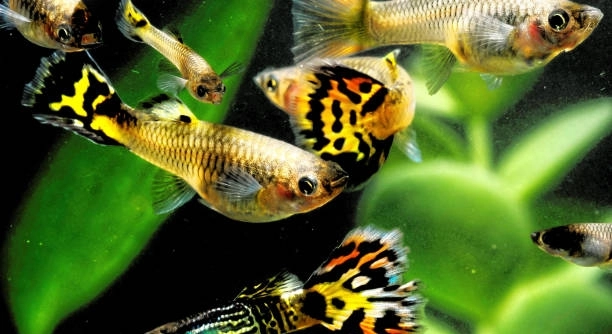
Guppies, like many fish, thrive in warmer temperatures. Understanding their preference for warmth can help ensure they stay healthy and active. In this article, we will explore the reasons behind guppies’ love for warm water.
Guppies are tropical fish that naturally inhabit warm waters. Warmer temperatures aid in their digestion, metabolism, and overall health. When kept in cooler environments, guppies may become lethargic or more susceptible to diseases, making warm water essential for their well-being.
Maintaining the right water temperature will help your guppies stay healthy and active. Understanding these factors ensures that their environment is suited to their natural needs.
1. Warmth Aids in Proper Digestion
Guppies require warmth for proper digestion. In colder temperatures, their metabolism slows down, causing digestion to become less efficient. This can lead to undigested food in their systems, affecting their overall health. A warm environment ensures that their food is processed quickly, providing them with the nutrients they need for energy and growth. Maintaining the right water temperature allows guppies to stay active, reducing the risk of bloating and other digestive issues.
Temperature regulation plays a critical role in their digestive process. If kept in water too cold, guppies will not be able to properly digest their meals, leading to health problems. Keeping the water in the recommended range for guppies promotes their well-being and prevents complications.
Warmer water encourages better nutrient absorption, helping your guppies stay healthy and vibrant. It also promotes a more active lifestyle, which is essential for their overall happiness and energy levels. A consistent temperature ensures their bodies function optimally, from digestion to metabolism, resulting in healthier fish.
2. Impact on Growth and Reproduction
Temperature plays a vital role in the growth and reproduction of guppies. In warmer water, guppies grow faster and reach their full size more quickly. Cold water can stunt their growth, leading to smaller fish with less energy. Additionally, warmer temperatures encourage more frequent breeding cycles. Guppies thrive when their environmental conditions mimic those of their natural tropical habitats.
Proper water temperature helps maintain optimal conditions for guppy reproduction. It supports healthier and more successful breeding, contributing to the overall population and long-term survival. Healthy, active guppies reproduce more effectively when the temperature is right. The ability to breed regularly in warm water ensures the continued presence of healthy offspring.
For those keeping guppies as pets, maintaining a steady warm environment is essential to their health, growth, and reproductive success. By regulating water temperature, you can provide an environment that promotes the full potential of your fish.
3. Immune System Support
Warmer temperatures help boost guppies’ immune systems. In cooler water, their immune functions become sluggish, making them more vulnerable to illness. When the water is warm enough, their bodies are better equipped to fight off infections. Keeping the temperature consistent ensures they stay healthy and resilient.
A stable, warm environment strengthens the immune response, reducing the chances of common diseases like fin rot or swim bladder issues. Warmer water enhances the production of white blood cells, which play a critical role in fighting off infections. Without proper warmth, guppies become more susceptible to health problems.
When guppies are kept in colder conditions, they often appear sluggish and less active. This reduced activity can make them more prone to stress and illness. Keeping the temperature within an optimal range helps guppies stay active, reducing their risk of infection and promoting a healthier, more robust immune system.
4. Increased Activity and Behavior
Guppies are more active in warmer water. Cold temperatures make them sluggish and less likely to swim around or interact with their environment. A warm tank encourages natural behaviors like swimming and foraging. Active guppies are healthier and show more vibrant colors.
Warm water speeds up their metabolism, leading to increased movement and activity. This increased activity promotes better overall health and well-being. Active guppies are more likely to engage in natural social behaviors, which helps them stay mentally stimulated. Their interactions with tankmates also promote a balanced environment in the aquarium.
By ensuring the water temperature remains warm, you encourage natural behaviors in your guppies. This leads to happier, more active fish, which reduces stress and promotes a thriving aquarium. Keeping the temperature consistent allows guppies to express their natural instincts fully, benefiting both their physical and mental health.
5. Reduced Stress
Warm water reduces stress for guppies. When the water is too cold, guppies experience more stress, which can negatively impact their health. A warm, stable environment helps them feel comfortable, reducing anxiety and promoting overall well-being.
When guppies are kept in cold water, their bodies have to work harder to maintain energy levels. This increased energy expenditure can cause stress, leading to health issues like reduced appetite or aggression. By maintaining a warm environment, guppies are less likely to experience the stress that cold water causes.
A warm tank environment fosters a sense of security and comfort for guppies. Less stress means healthier, more vibrant fish.
6. Better Oxygen Exchange
Warmer water can improve oxygen exchange. As water heats up, its ability to dissolve oxygen decreases, but guppies can handle slightly warmer temperatures if the water is well-oxygenated. Good circulation and aeration in the tank ensure they get enough oxygen.
When the water temperature is kept warm but well-oxygenated, guppies can breathe more easily. They are more active and energetic, as their bodies can process oxygen efficiently. If oxygen levels drop, it can cause stress, even if the water is warm. Proper aeration ensures your guppies thrive in their environment.
7. Optimized Nutrient Absorption
Warm temperatures help guppies absorb nutrients more efficiently. The higher the temperature, the faster their metabolism, allowing them to process and utilize food more effectively. This aids in growth and overall health.
If the water temperature is too low, guppies’ digestive systems slow down, making it harder to process food. This can lead to malnutrition over time. By maintaining a consistent warm temperature, guppies are able to get the most out of their food, promoting healthier and more vibrant fish.
FAQ
What is the ideal water temperature for guppies?
The ideal water temperature for guppies ranges from 74°F to 82°F (23°C to 28°C). This temperature range ensures that their metabolism, digestion, and immune system function at their best. Keeping the water within this range helps them stay active and healthy. If the temperature falls below this range, guppies may become lethargic, which can lead to health problems. On the other hand, water that is too hot can also stress them out, so maintaining a stable, moderate temperature is crucial.
Can guppies survive in cold water?
Guppies are tropical fish and are not adapted to live in cold water for long periods. While they can tolerate brief drops in temperature, prolonged exposure to cold water can lead to slow metabolism, weakened immune systems, and stress. This makes them more prone to diseases. It’s important to provide them with a stable, warm environment to ensure they thrive. If your water temperature drops too much, guppies may stop eating, become more sluggish, or even die.
How do I maintain a consistent water temperature for my guppies?
To maintain a consistent temperature, use an aquarium heater designed for your tank size. It’s important to choose a reliable heater that has an adjustable thermostat to ensure the water remains at the correct temperature. Regularly monitor the temperature with an aquarium thermometer to check for any fluctuations. It’s also helpful to place the tank away from drafts, direct sunlight, or air conditioning vents, which can cause temperature changes. A stable environment is key to keeping your guppies healthy and active.
Can guppies tolerate temperature fluctuations?
Guppies don’t tolerate significant temperature fluctuations well. While they can adapt to small changes, large swings can cause stress, weakening their immune system and leading to potential health problems. It’s important to keep the temperature steady and avoid rapid changes. If the water temperature fluctuates too much, it can also affect their behavior, making them more stressed and less active. A temperature range of 74°F to 82°F (23°C to 28°C) should be maintained consistently to prevent any negative effects.
How do temperature changes affect guppies?
Temperature changes affect guppies in various ways. Sudden drops or increases in temperature can slow down their metabolism, causing lethargy or even death in extreme cases. Cold temperatures reduce their ability to digest food properly and can lead to a decrease in energy levels. When the temperature rises too high, guppies can become stressed, which affects their immune system and increases their susceptibility to diseases. It’s crucial to keep the water temperature within the recommended range to maintain their health.
Do guppies prefer warm or cold water?
Guppies prefer warm water as they are native to tropical environments. Warm water supports their active nature, helps them digest food properly, and keeps them healthy overall. Cold water can cause their metabolism to slow down, making them less energetic and more prone to illness. Keeping your guppies in warm water ensures that they stay active, reproduce more effectively, and maintain a strong immune system. A consistent, warm temperature is vital to their well-being.
How can I tell if my guppies are stressed due to temperature?
Stressed guppies may display certain behaviors, such as rapid or erratic swimming, gasping for air, or staying near the surface of the water. If the temperature is too low, they may appear sluggish, stop eating, or become more aggressive. A stressed guppy might also hide more often or exhibit changes in its color. These behaviors indicate that the water temperature may be affecting their health. Regularly check the water temperature to ensure it is within the ideal range, and adjust accordingly.
How often should I check the temperature of the water?
It’s a good idea to check the water temperature at least once a day, especially if you are using a heater. Regular monitoring helps you spot any changes early and make adjustments before it affects your guppies. It’s also recommended to check the temperature after performing water changes or if there has been a change in the weather. Maintaining a consistent temperature is crucial for keeping your guppies healthy and active. Having an accurate thermometer in your tank is key to ensuring the water stays at the right temperature.
What happens if the temperature is too high for guppies?
If the water temperature is too high for guppies, they can become stressed, which weakens their immune system. This makes them more susceptible to diseases and infections. High temperatures can also speed up their metabolism, leading to a faster depletion of energy, which can result in weight loss or lethargy. Additionally, oxygen levels tend to decrease in warmer water, which can lead to difficulty breathing for your guppies. If the temperature consistently exceeds 82°F (28°C), it’s important to cool down the water using a fan or water chiller.
Can I use ice to cool down the water for my guppies?
Using ice cubes to cool down the water is not recommended as it can cause rapid, extreme temperature changes. Sudden shifts in temperature can be very stressful for guppies, leading to shock. A better approach is to slowly lower the temperature by adding cooler water gradually or using a fan to gently cool the water down. If you notice the water is consistently too warm, consider using a water chiller or adjusting your aquarium’s location to prevent it from getting too hot.
Why is water temperature important for guppy reproduction?
Water temperature plays a key role in guppy reproduction. Warmer temperatures promote more frequent breeding cycles and increase the chances of successful fertilization. In cooler water, guppies are less likely to reproduce as frequently, and the eggs may not hatch as effectively. Keeping the water in the optimal temperature range helps maintain the health of the parents and supports the development of healthy offspring. This is especially important for those breeding guppies as pets or for aquarium populations.
Final Thoughts
Maintaining the right water temperature for guppies is essential for their health and well-being. Guppies thrive in warm, stable environments, and when kept within the ideal temperature range, they are more active, healthier, and better able to reproduce. Temperature fluctuations, whether too hot or too cold, can lead to stress, which weakens their immune systems and makes them more susceptible to disease. A consistent and well-maintained water temperature helps guppies to process food efficiently, stay energized, and reduce the risk of health issues.
To ensure your guppies are living in the best conditions, invest in a reliable aquarium heater with a thermostat. This will help regulate the water temperature, keeping it within the recommended range of 74°F to 82°F. Regularly checking the water temperature with a thermometer is also important to make sure the heater is working correctly and that no sudden temperature changes occur. Additionally, pay attention to the water’s aeration and filtration system. Warmer water holds less oxygen, so proper aeration is necessary to maintain healthy oxygen levels for your guppies.
Finally, it’s essential to understand that guppies are sensitive to sudden changes in their environment. Whether it’s a temperature drop, an increase in tank size, or a shift in water chemistry, gradual adjustments are key to preventing stress. Consistently monitoring and adjusting your guppies’ living conditions will lead to a happier, more vibrant tank. By providing the optimal water temperature and keeping their environment stable, you can ensure that your guppies thrive for years to come.

Hello,
If you enjoy the content that we create, please consider saying a "Thank You!" by leaving a tip.
Every little bit helps us continue crafting quality advice that supports the health, happiness, and well-being of pets around the world, for pets of all shapes, sizes, and species.
We really appreciate the kindness and support that you show us!