
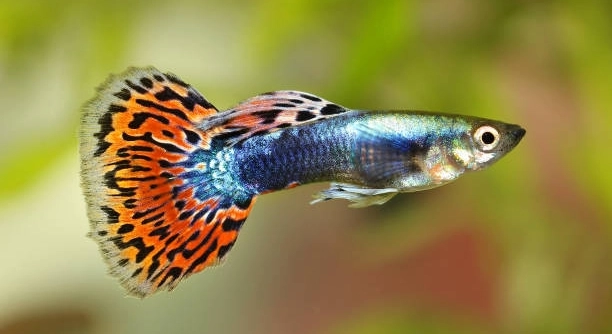
Guppies are lively and colorful fish that can easily brighten any aquarium. However, it’s important to keep an eye on their health to ensure they stay vibrant and active. Recognizing early signs of illness can help in taking timely action.
To spot a sick guppy early, observe for changes in behavior or appearance, such as lethargy, loss of appetite, or irregular swimming patterns. Physical signs like faded colors or bloated bellies are also indicators of potential health issues.
Knowing these signs will allow you to take quick action, improving the chances of recovery and maintaining your guppy’s overall well-being.
Recognizing Lethargy in Guppies
A healthy guppy is usually active, swimming around the tank with energy. If your guppy starts to swim less or spends more time near the bottom, it could indicate illness. This change in behavior may seem minor, but it is often one of the first signs that something is wrong. Other signs include swimming in circles or appearing disoriented. A sick guppy may also avoid interacting with other fish, isolating itself in corners or near plants.
While occasional rest is normal, prolonged inactivity is a clear red flag. Keep an eye on your guppy’s movements, and if you notice it hanging out near the surface or hiding more than usual, it’s time to investigate further.
The cause could range from stress to an underlying infection, but either way, it’s important to act quickly. Early intervention can make a significant difference in their recovery. The sooner you spot the issue, the better the chance of preventing it from spreading.
Changes in Eating Habits
Changes in your guppy’s eating habits can be a clear signal that something isn’t right.
If your guppy suddenly loses interest in food, it could be due to illness or stress. A decrease in appetite can also be linked to digestive issues or parasites. Take note of whether your guppy shows any disinterest in feeding, as this may indicate an early stage of sickness.
Not eating for a day or two might not be alarming, but if the problem persists, it’s essential to observe further. A healthy guppy should eagerly approach its food and maintain a regular eating schedule. If the problem continues, consider adjusting the environment to reduce stress or consult a vet for advice. It’s always better to be cautious.
Faded Colors and Loss of Vibrancy
Guppies are known for their bright and colorful appearance. When they start losing their vibrant colors, it’s a sign something is off.
Fading colors often indicate stress, poor water quality, or an underlying health issue. If your guppy’s usual colors begin to dull, check the water conditions first. Guppies require clean, well-maintained water to stay healthy. Sometimes, they may fade due to low temperatures or unbalanced water chemistry.
If the water quality is fine and the guppy’s behavior also seems off, it might point to a disease like velvet or other parasites. These conditions affect the fish’s ability to maintain their normal color. Acting quickly can prevent the issue from worsening and spreading to other fish in the tank.
Abnormal Swimming Patterns
Guppies usually swim in a steady, graceful motion. Any noticeable changes, such as erratic swimming, circling, or floating unnaturally, could point to sickness.
Erratic movements can be a result of internal issues like parasites or digestive problems. It might also indicate a swim bladder disorder, where the fish struggles to maintain balance. If you observe your guppy struggling to swim or staying near the surface for long periods, it’s time to check for water quality issues. Poor oxygen levels, or high ammonia and nitrite levels, can also disrupt swimming behavior.
Additionally, injured or stressed guppies may display unusual swimming patterns. Monitor other fish in the tank to determine if they exhibit similar symptoms, and act fast to isolate the affected guppy if needed. The quicker the problem is addressed, the better the chances of recovery.
Bloated Belly
A bloated belly is a clear sign that something is wrong with your guppy.
If you notice your guppy’s stomach becoming swollen, it could indicate an internal issue like constipation, overfeeding, or a parasitic infection. A bloated guppy might also have difficulty swimming.
It’s essential to monitor your guppy’s diet and avoid overfeeding. Make sure it’s not eating food that’s too large or difficult to digest. In some cases, bloating can be a symptom of a more serious condition, like dropsy or internal infections, which require immediate attention from a veterinarian.
White Spots on Skin or Fins
White spots on a guppy’s skin or fins are often a sign of a parasitic infection.
This condition, known as “ich” or white spot disease, causes small, white cysts to appear on the skin. It’s contagious and can spread quickly throughout the tank. If you notice these spots, it’s important to isolate the affected guppy and treat the tank with appropriate medications.
Ignoring this condition can lead to severe health issues for all fish in the tank. Immediate action is crucial to prevent the spread of the disease. Keep the water temperature within the recommended range for your guppies, as warmer water speeds up the treatment process.
Change in Behavior Around Tank Mates
If your guppy begins to act differently toward tank mates, it’s a red flag.
Healthy guppies are generally peaceful and social. If a guppy starts becoming aggressive, chasing, or nipping at other fish, it could indicate stress or illness. Stress may result from overcrowding, poor water quality, or fighting with tank mates.
It’s important to assess the tank’s environment, check the water conditions, and ensure there are no aggressive fish or overcrowding. If behavior continues, consider isolating the affected guppy to prevent any harm to others and allow for better observation of its condition.
FAQ
What should I do if my guppy is swimming erratically?
Erratic swimming is often a sign of stress, illness, or poor water conditions. Check the water parameters immediately, including temperature, pH levels, and ammonia/nitrite/nitrate levels. If the water quality is fine, it could be a sign of an internal issue, like parasites or swim bladder disease. In such cases, isolating the affected guppy can help prevent further spread to other fish. Make sure the water is clean, and monitor the guppy closely. If the issue persists, consult a vet for a more accurate diagnosis.
How can I tell if my guppy has a parasite?
Parasites can cause several symptoms in guppies. If your guppy has white spots on its body, fins, or gills, it could be suffering from “ich” (white spot disease), a common parasitic infection. Other signs include abnormal swimming patterns, bloating, or a sudden loss of appetite. If you suspect a parasite, it’s best to isolate the affected fish immediately and treat the tank with the appropriate medication. Additionally, ensure the water is clean and maintain the right temperature for quicker recovery.
Can stress cause my guppy to stop eating?
Yes, stress can significantly affect a guppy’s appetite. Stress factors include overcrowding, aggressive tank mates, poor water quality, or sudden changes in the environment. When stressed, guppies may stop eating or become lethargic. To prevent this, ensure the tank has proper filtration, maintain stable water parameters, and avoid overcrowding. If stress is suspected, try to identify and eliminate the source. Additionally, ensure that your guppy has a balanced, varied diet and no aggressive tank mates.
Is it normal for my guppy to hide occasionally?
While occasional hiding is normal, especially in new environments or during the dark hours, consistent hiding could signal illness or stress. If your guppy is hiding more than usual, check for signs of disease or poor water quality. You may need to isolate the guppy and monitor its behavior to determine the cause. Stress from overcrowding, bullying by other fish, or unclean water can make your guppy feel unsafe. Reducing stressors in the tank is essential for your guppy’s well-being.
How do I know if my guppy has fin rot?
Fin rot is caused by bacteria or poor water conditions and leads to frayed or decaying fins. If you notice that your guppy’s fins are becoming ragged, discolored, or have visible damage, it could be fin rot. Poor water quality, especially high levels of ammonia, nitrates, and nitrites, can contribute to the development of this condition. Immediate action is needed: isolate the infected fish and treat the tank with an antibacterial medication. Improving water conditions and maintaining a clean tank can help prevent future outbreaks.
What are the common signs of guppy pregnancy?
Pregnant female guppies often show noticeable signs such as a rounder belly, a dark spot near the rear (gravid spot), and a more bloated appearance. Pregnant guppies may also swim more slowly or rest more often. As the pregnancy progresses, the gravid spot will darken and become larger. After several weeks, you’ll see small fry (baby guppies) swimming in the tank. During pregnancy, it’s important to maintain a clean environment and reduce stress for the female guppy to help her carry the fry to full term.
Can a guppy recover from dropsy?
Dropsy is a condition where a guppy’s body becomes swollen, and the scales appear raised, creating a pinecone-like effect. This condition is often associated with internal organ failure or an infection. Unfortunately, dropsy is difficult to treat, especially in its later stages. Early intervention, including isolating the affected guppy and improving water quality, can help, but treatment success is uncertain. If you notice signs of dropsy, act quickly and consult a vet for advice on possible treatment options.
How do I keep my guppy tank clean and healthy?
Maintaining a clean tank is vital for the health of your guppies. Perform regular water changes (at least 25-30% every week), remove uneaten food, and vacuum the substrate to remove debris. Ensure your filter is working correctly and replace the filter media when needed. Regularly check water parameters, such as ammonia, nitrite, nitrate, pH, and temperature. Additionally, avoid overcrowding the tank, as this can contribute to poor water quality and stress. A well-maintained tank reduces the risk of disease and ensures your guppies thrive.
Can I treat my guppy with salt for health issues?
Aquarium salt can be used to treat some health issues like external parasites and minor wounds. Salt helps by improving gill function and reducing stress. However, it’s important to be cautious with its use, as salt can be harmful to plants and certain fish species. Always dissolve salt in water before adding it to the tank, and avoid using it if your guppy has been diagnosed with salt-sensitive conditions. It’s best to consult a vet for advice on the proper salt dosage based on the specific health issue.
What should I feed my guppy for better health?
A well-balanced diet is essential for your guppy’s health. Offer a mix of high-quality flakes, pellets, and occasional live or frozen foods, such as brine shrimp, daphnia, or bloodworms. Guppies are omnivores, so a combination of plant-based and protein-rich foods will keep them healthy. Feed them small amounts 2-3 times a day, ensuring they finish what’s offered in a few minutes to prevent overfeeding and water contamination. Additionally, always remove any uneaten food to keep the tank clean. A varied diet promotes good health and vibrant colors.
Final Thoughts
Taking care of your guppy’s health requires attention to detail, regular maintenance, and prompt action when problems arise. Monitoring your guppy’s behavior, appearance, and water quality is essential to keeping them happy and healthy. While guppies are hardy fish, they can still suffer from common health issues like parasites, stress, and poor water conditions. Being proactive in observing changes in their behavior can help you catch problems early and treat them effectively.
One of the most important aspects of guppy care is maintaining a clean and stable environment. Regular water changes, proper filtration, and monitoring the water parameters are all vital to keeping your guppies healthy. Stress from overcrowding, poor water quality, or aggressive tank mates can weaken your guppy’s immune system, making them more susceptible to diseases. A well-maintained tank provides a stable environment that reduces the risk of illness and improves the overall well-being of your guppies.
If you notice any signs of illness or distress in your guppy, it’s important to act quickly. Isolating the affected fish, improving water quality, and seeking appropriate treatment can often prevent further complications. Remember, guppies are social creatures, and their health is closely tied to their environment. Ensuring that their needs are met will lead to a more vibrant, active, and long-lived fish. By paying attention to the early warning signs and addressing them promptly, you can enjoy your guppies’ company for years to come.

Hello,
If you enjoy the content that we create, please consider saying a "Thank You!" by leaving a tip.
Every little bit helps us continue crafting quality advice that supports the health, happiness, and well-being of pets around the world, for pets of all shapes, sizes, and species.
We really appreciate the kindness and support that you show us!