
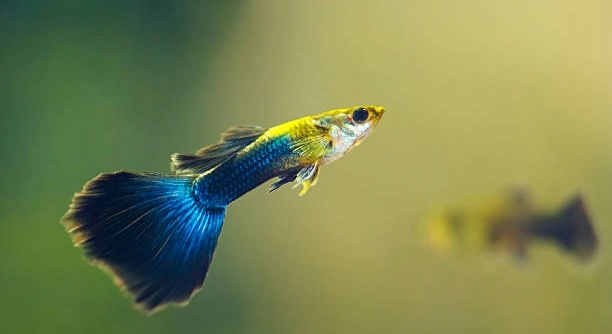
Guppies are active, colorful fish that add life to any aquarium. However, when they stop swimming, it can be concerning for owners. Understanding the possible reasons behind this behavior can help keep your guppy healthy and happy.
Guppies stop swimming for several reasons, including poor water quality, stress, illness, improper tank conditions, or insufficient food. Ensuring clean water, the right tank environment, and proper care can resolve or prevent this issue.
There are multiple factors that contribute to why guppies may stop swimming. Learning about these will help you address the issue and restore your fish’s natural movement.
Poor Water Quality
Water quality is a common reason guppies stop swimming. If the water in the tank is dirty or contains harmful chemicals, your guppy might feel stressed or uncomfortable. The buildup of ammonia, nitrates, or nitrites can lead to poor water conditions. When this happens, guppies may become lethargic and avoid swimming around as they would in clean water.
You should test the water regularly for ammonia, nitrites, and nitrates, as well as check the pH levels. Keeping these values within the proper range ensures your guppy’s health and encourages active swimming.
Maintaining proper filtration is key. Make sure your filter is working efficiently and clean it regularly to prevent harmful substances from accumulating. Changing 10-15% of the water weekly can help maintain good water quality. Additionally, avoid overcrowding the tank, as this can also impact water quality. A stable, clean environment promotes healthy, active fish. If your guppy isn’t swimming, the water could be the main cause, and fixing this may help bring it back to life.
Stress
Stress is another reason your guppy might stop swimming. When a guppy feels threatened, it can become inactive and hide. Factors like aggressive tank mates, too much noise, or frequent changes in the environment can cause stress.
A peaceful aquarium with compatible fish and minimal disruptions creates a more comfortable environment for your guppy. If stress continues, it might lead to health issues. Guppies thrive when they feel safe.
Illness or Disease
If your guppy isn’t swimming, illness could be the reason. Fish can catch diseases like fin rot, swim bladder disorder, or external parasites. These conditions often make guppies more sluggish and less active.
If your guppy shows signs like faded color, clamped fins, or unusual behavior, it could be sick. In some cases, you may notice bloating or difficulty swimming. If symptoms persist, isolating the sick fish in a separate tank can help prevent the spread of disease. It’s important to seek out proper treatment for the specific illness your guppy might have.
Treating illnesses early can prevent long-term damage. For swim bladder issues, a change in diet or temperature adjustment can sometimes help. If the issue is more severe, using medication in a quarantine tank can help your guppy recover. Keep an eye on your fish’s overall behavior, and don’t hesitate to act when illness is suspected.
Temperature Fluctuations
Temperature plays a major role in your guppy’s health. If the tank water is too cold or too hot, your guppy may become sluggish or stop swimming. Guppies prefer a stable water temperature between 72°F and 82°F.
To avoid this problem, invest in a reliable heater for your tank, especially if you live in a region with fluctuating room temperatures. Sudden changes can stress your guppy and cause it to become inactive. Maintaining consistent conditions can help prevent swimming problems related to temperature.
You can use a thermometer to regularly monitor the tank’s temperature. If you notice any dips or spikes, adjust the heater accordingly. A stable temperature is vital for your guppy to stay active and healthy. By keeping the water comfortable, you’ll ensure your fish remain lively and continue swimming freely.
Lack of Oxygen
Low oxygen levels in the tank can cause guppies to stop swimming. When the water lacks enough oxygen, guppies may hover near the surface or stay still to conserve energy. This can be harmful if not corrected quickly.
Adding an air stone or adjusting the filter output can help boost oxygen levels. Live plants can also improve oxygen during the day, but remember that they use oxygen at night. Regular water changes help too.
Incompatible Tank Mates
Aggressive or fast-moving fish can stress guppies and make them stay in one place. Guppies may avoid swimming to steer clear of conflict or being chased, especially in a crowded tank.
Always choose tank mates that are calm and have similar needs. Fish like mollies, platies, or tetras are often better suited for guppies. Watch how your fish interact and remove any that cause visible stress. Reducing tension in the tank helps your guppy feel more relaxed and active.
Improper Diet
A poor diet can leave guppies weak and uninterested in swimming. Without enough nutrients, their energy drops. Feeding high-quality flakes, occasional protein like brine shrimp, and ensuring they don’t overeat can keep them active and healthy.
FAQ
Why is my guppy staying at the bottom of the tank and not swimming?
When a guppy stays at the bottom of the tank, it could be a sign of stress, poor water quality, or illness. Guppies usually swim around the tank, so when they suddenly rest at the bottom for long periods, it’s worth checking the water parameters first. Look at ammonia, nitrite, nitrate, and pH levels. If the water looks cloudy or smells bad, do a partial water change and clean the filter. Illness like swim bladder disorder or external parasites could also be the cause. If the guppy has clamped fins, loss of color, or labored breathing, it might need treatment or isolation.
Can guppies get depressed or bored?
Yes, guppies can show signs that may seem like boredom or depression. If they are kept in a small, bare tank without plants, hiding spots, or stimulation, they might stop swimming actively. Guppies are social and curious by nature. A lack of interaction, poor tank conditions, or no variety in their environment can affect their behavior. Adding live plants, gentle currents, and even tank mates (that are peaceful and compatible) can help make the space more interesting. A varied diet can also boost their energy. Creating a lively and safe tank environment encourages natural swimming behavior.
What are signs of a stressed guppy?
Stressed guppies may hide often, lose color, clamp their fins, stop swimming, or refuse food. You might also see them dart around quickly or breathe heavily near the surface. Stress can come from many things, like sudden water changes, temperature swings, aggressive tank mates, or a dirty tank. To ease stress, keep the tank clean and stable. Avoid tapping the glass or moving decorations around too often. Observe your guppy daily so you can spot changes early. Catching stress symptoms early and making small adjustments usually helps them return to normal activity.
Is it normal for guppies to rest sometimes?
Yes, guppies do rest, especially at night. They usually slow down and hover in one spot, often near the bottom or behind plants. This is normal, especially if they’re active during the day. However, if your guppy is inactive for long periods, during the day, and shows other signs like not eating or discoloration, it could mean something is wrong. Healthy guppies will swim around regularly, even if they pause now and then. If you’re unsure, monitor them closely for changes in their behavior or appearance over a few days.
Can overfeeding cause guppies to stop swimming?
Overfeeding can lead to bloating, constipation, and even swim bladder issues, which might make your guppy stop swimming or float awkwardly. Uneaten food can also pollute the tank water quickly, which affects the guppy’s health. Feed your guppy small amounts they can finish within two minutes, once or twice a day. If you suspect overfeeding, skip a feeding and offer a blanched pea (with the skin removed) to help clear their system. Keeping a feeding schedule and not overdoing it helps prevent digestion-related problems and keeps your guppy active.
Should I isolate a guppy that isn’t swimming?
If your guppy isn’t swimming and shows signs of illness or stress—like color loss, bloating, or erratic movement—it may be best to move it to a separate tank. This makes it easier to monitor its condition and prevents possible spread of disease. Use a quarantine tank with similar water conditions, and don’t introduce medication unless you’re sure of the issue. Isolation also removes pressure from other fish and gives the sick guppy a chance to rest in a calm space. If the guppy improves, you can reintroduce it later.
How long should it take for a guppy to recover and start swimming again?
Recovery time depends on the cause. If it’s due to poor water quality or temperature changes, your guppy may become active again within a day or two after correcting the issue. Illnesses may take longer—anywhere from a few days to a couple of weeks—especially if medication is involved. The key is consistent care, clean water, a balanced diet, and a calm environment. Watch your guppy closely, but be patient. As long as there’s some improvement each day, your guppy is on the right path.
Final Thoughts
When a guppy stops swimming, it can be worrying, especially if you’re used to seeing it dart around the tank. However, this behavior doesn’t always mean something serious is wrong. Guppies may slow down or become still for many reasons, such as changes in water conditions, stress, or even a poor diet. Observing your guppy’s behavior closely can help you figure out what’s going on. Look for other signs, like a change in color, odd swimming patterns, or loss of appetite. These clues can guide you toward the best solution.
Making small improvements to your tank setup can go a long way. Start with checking water quality and making sure the temperature stays steady. Also, think about the other fish your guppy lives with. Some tank mates can cause stress without being aggressive. A calm and clean environment makes it easier for guppies to stay active and healthy. Feed them a balanced diet, avoid overfeeding, and try to keep the tank peaceful. Guppies don’t need a lot of space, but they do need stable conditions to feel safe.
In the end, paying attention to small details really makes a difference. Whether it’s the level of oxygen in the water or just the presence of a hiding place, these things can affect how your guppy behaves. If something feels off, don’t wait too long to take action. A simple test of your water or a few changes to their environment might help your guppy get back to swimming normally. Keeping guppies healthy doesn’t have to be hard—just stay observant, keep the tank clean, and respond when you notice a change. This way, your guppies will have a better chance of staying active, colorful, and thriving in their home.

Hello,
If you enjoy the content that we create, please consider saying a "Thank You!" by leaving a tip.
Every little bit helps us continue crafting quality advice that supports the health, happiness, and well-being of pets around the world, for pets of all shapes, sizes, and species.
We really appreciate the kindness and support that you show us!