
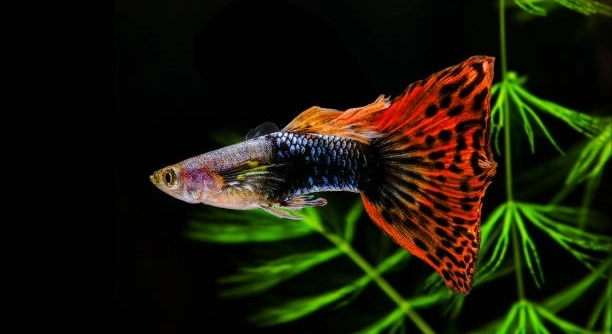
Guppies are lively and beautiful fish, but they can sometimes feel stressed in their tanks. Understanding how to reduce their stress is essential for their health and happiness. Here are simple tips to help them thrive.
Guppies experience stress from various factors, such as poor water quality, inadequate tank size, or incompatible tank mates. Ensuring a stable, clean environment and providing proper care can significantly reduce stress and improve their overall well-being.
By following these simple steps, your guppies will be more comfortable and happy in their home. This not only enhances their health but also lets you enjoy their colorful, active presence. Keep reading to learn how!
1. Maintaining Clean Water for Stress-Free Guppies
One of the most important factors in keeping guppies happy is maintaining clean water. Dirty water can quickly lead to stress, illnesses, and even death for your fish. Guppies are sensitive to changes in their environment, and poor water quality will make them anxious. Regular water changes and good filtration are key to providing a healthy space. Aim to change 25% of the water every week to prevent harmful build-up. Ensure that your water temperature is between 72°F and 82°F for optimal health. Test the water for ammonia, nitrite, and nitrate levels regularly, as these chemicals can easily harm your fish.
A good filtration system helps to keep the water clean by removing debris and toxins. If your tank is heavily planted, it can also help maintain stable water conditions. A good routine will keep your guppies safe and relaxed.
Keeping your guppies in clean water makes a noticeable difference in their behavior and overall health. Healthy water supports their immune systems, which helps them avoid stress caused by illness or environmental changes. Regularly checking water parameters and changing the water ensures their well-being.
2. Proper Tank Size for Guppy Comfort
A small tank can cause stress to your guppies.
A tank that is too small doesn’t give your guppies enough room to swim, making them feel cramped and anxious. Guppies should have at least 10 gallons of water to swim freely. This space allows them to explore and reduce stress. It’s essential to avoid overcrowding. More fish means more waste, which can deteriorate water quality.
A larger tank with proper filtration offers your guppies plenty of room to swim, which encourages natural behavior and reduces stress. If you plan on having more than a few guppies, always choose a bigger tank to ensure they have enough space. This will keep your fish active and happy. Overcrowding is a common mistake, and it can cause a variety of problems. Providing a spacious, stable tank is one of the easiest ways to keep your guppies stress-free.
3. Avoiding Aggressive Tank Mates
Guppies are peaceful fish and do best with non-aggressive companions.
Aggressive tank mates, such as larger or territorial fish, can cause stress to your guppies. They may chase or nip at your guppies, making them feel unsafe. It’s important to choose fish that are known to be peaceful and compatible with guppies. Avoid species that might intimidate or harm them.
A peaceful tank is crucial for reducing stress. When guppies are surrounded by calm, friendly fish, they feel secure and can thrive. Fish like tetras, mollies, or other guppies work well together. Always research potential tank mates before adding them to your aquarium. The right community will ensure a calm, happy environment for your guppies.
4. Maintaining a Consistent Light Cycle
Guppies need a balanced light cycle to feel comfortable.
A sudden change in light can cause confusion and stress for your guppies. They thrive in a consistent light schedule with about 10-12 hours of light each day, mimicking natural day and night cycles. Using a timer for your tank lights can help maintain this routine.
Too much light can lead to algae growth, which negatively impacts water quality, while too little light can make your guppies feel disoriented. It’s essential to find the right balance for their comfort. Ensuring that they have regular periods of darkness will help them rest better, reducing stress levels. A predictable light cycle allows your guppies to feel at ease and sleep well.
5. Proper Feeding Habits
Overfeeding or underfeeding can lead to stress for your guppies.
It’s important to feed your guppies the right amount of food and avoid overfeeding. Uneaten food can pollute the water, leading to poor water quality and stress. Offer small amounts of food that they can eat in a few minutes, once or twice a day.
Feeding them at consistent times helps to create a routine, which is good for their health. If you notice leftover food, cut back slightly on portions to avoid water contamination. Proper feeding habits will ensure your guppies stay healthy and stress-free.
6. Temperature Control for Comfort
Temperature is key to guppy health.
Guppies are sensitive to temperature changes. Keeping the water temperature between 72°F and 82°F helps your guppies stay comfortable. Using a heater in cooler environments ensures the temperature stays stable, preventing stress caused by fluctuating conditions.
7. Providing Hiding Spots and Plants
Adding plants and decorations can reduce stress.
Guppies love having places to hide and explore. Adding plants, rocks, or decorations to the tank provides them with shelter, helping them feel safe. This encourages natural behavior and reduces anxiety.
FAQ
What are the signs that my guppy is stressed?
Stress in guppies can be seen through several behaviors. They may become less active, hiding more often, or showing signs of illness like clamped fins or faded colors. You might also notice them swimming erratically or constantly darting around the tank. These are clear indicators that something is wrong. Stress can result from poor water conditions, aggressive tank mates, or improper diet. If you observe any of these behaviors, it’s crucial to address the underlying cause to help your guppy feel better.
Can guppies live with other fish?
Yes, guppies are peaceful and can live with many other fish. However, they should be kept with non-aggressive species that won’t nip at their fins. Tetras, mollies, and other small, calm fish make good companions for guppies. Avoid housing them with large or aggressive fish like bettas or cichlids, as these can cause stress. When adding new fish, always consider the temperament and size to ensure compatibility and reduce potential stress.
How do I know if my guppy is healthy?
A healthy guppy will be active, colorful, and swimming freely around the tank. Their fins should be spread out, not clamped, and they should have a shiny, vibrant appearance. Healthy guppies also display normal eating habits, eagerly accepting food and maintaining a steady weight. If your guppy is swimming normally, eating well, and showing no signs of disease (such as lesions, bloating, or abnormal behavior), they are likely in good health.
What water conditions are best for my guppy?
Guppies thrive in water with a temperature between 72°F and 82°F, a pH of 7.0-8.0, and moderate hardness. It’s essential to maintain clean water with low levels of ammonia and nitrites. Regular water changes, along with a good filtration system, help keep water quality in check. It’s also important to monitor nitrate levels, as too many nitrates can stress your guppies. Test the water regularly to ensure it remains within these ideal parameters.
Why is my guppy hiding all the time?
If your guppy is hiding more than usual, it could be a sign of stress. This might be caused by aggressive tank mates, poor water quality, or sudden changes in the tank environment. Stress can also stem from overcrowding or incompatible fish. Providing hiding spots in the tank, like plants or decorations, can make your guppy feel safer. However, if hiding persists despite these changes, check the water quality and monitor interactions with other fish to identify the cause.
How often should I feed my guppy?
Feed your guppies once or twice a day, offering only what they can eat in a few minutes. Overfeeding can cause water contamination and stress, while underfeeding may lead to malnutrition. It’s important to feed a varied diet, including high-quality flakes or pellets, and supplement with occasional live or frozen foods like brine shrimp or daphnia. Make sure to remove any uneaten food after feeding to maintain water quality.
Can guppies get stressed from being alone?
Guppies are social creatures and tend to do better when kept in groups. While they can survive alone, they may become more stressed without companions. Keeping at least three or four guppies together can help reduce loneliness and give them a sense of security. However, avoid overcrowding the tank, as this can lead to stress from limited space and poor water quality.
How can I prevent disease in my guppy tank?
Preventing disease starts with maintaining a clean, stable tank environment. Regular water changes, a proper filtration system, and monitoring water quality are essential. Quarantining new fish before introducing them to the main tank can prevent the spread of disease. Additionally, feeding your guppies a well-balanced diet and reducing stress by keeping compatible tank mates will help boost their immune systems, making them less susceptible to illnesses.
How do I introduce new fish to my guppy tank?
When adding new fish, it’s important to do so gradually. Quarantine new fish for at least two weeks before placing them in the main tank to ensure they aren’t carrying diseases. Introduce them slowly, and keep an eye on interactions with the current fish to make sure there are no signs of aggression. It’s best to add only a few fish at a time to avoid overloading the tank, which can stress your guppies.
What is the best tank setup for guppies?
A guppy tank should have a reliable filtration system, a stable water temperature, and a variety of plants or decorations for hiding and swimming. A 10-gallon tank is the minimum recommended size for a small group of guppies. Ensure there are plenty of plants for your guppies to explore and hide in. Guppies enjoy well-planted tanks with open spaces for swimming, so balance the layout to encourage natural behavior.
Final Thoughts
Taking care of guppies involves understanding their needs and creating a healthy environment. Stress can be avoided by ensuring they have clean water, a proper tank size, and compatible tank mates. By making these small adjustments, you can keep your guppies happy and active. They are resilient and easy to care for, but like any pet, they thrive best when their needs are met. By reducing stress, you also help protect their health and improve their overall well-being.
A stress-free environment for guppies is one that mimics their natural habitat. This includes a consistent light cycle, regular feeding, and the right water conditions. Providing hiding spots with plants or decorations helps them feel secure. Remember, stress can show up in many ways, like hiding, loss of color, or swimming irregularly. If you notice these behaviors, take action by adjusting their environment. Healthy and happy guppies are more likely to thrive and live longer lives when they feel safe and cared for.
The key to keeping guppies stress-free lies in observation and consistency. Regularly check water quality, monitor the temperature, and ensure they have enough space to swim. Additionally, creating a peaceful and balanced community with compatible fish helps avoid unnecessary tension. By staying attentive and proactive, you can create a happy, healthy space for your guppies, making their care more enjoyable for both you and them.

Hello,
If you enjoy the content that we create, please consider saying a "Thank You!" by leaving a tip.
Every little bit helps us continue crafting quality advice that supports the health, happiness, and well-being of pets around the world, for pets of all shapes, sizes, and species.
We really appreciate the kindness and support that you show us!