
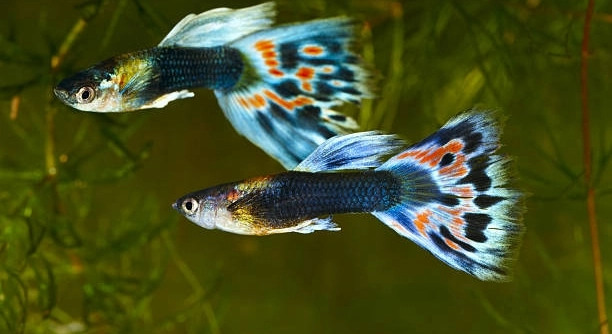
Do your guppies seem to avoid the heater in your tank? It can be puzzling when your fish steer clear of the warmth that they should ideally be enjoying.
The main reason guppies avoid the heater is that they are sensitive to temperature fluctuations. If the water around the heater is too warm or changes too quickly, guppies may avoid it to prevent stress or discomfort.
Understanding why guppies avoid the heater can help you create a more comfortable environment for them. By making simple adjustments, you can ensure your fish remain happy and healthy.
1. Water Temperature Is Too High
Guppies are naturally found in tropical waters, but they still have limits when it comes to temperature. If your heater is set too high, it can make the water uncomfortable for your fish. Guppies typically thrive in water temperatures between 72°F and 82°F (22°C to 28°C). Anything above or below this range could lead to them avoiding the heater altogether. If the water near the heater gets too hot, your guppies may swim away to find cooler areas of the tank.
If the water temperature is too high, guppies may feel stressed, and they will instinctively try to move away from the heater. This avoidance is their way of managing their stress. Make sure to check the water temperature regularly with a reliable thermometer.
To fix this, adjust the heater to ensure the temperature stays within the ideal range. It’s also a good idea to place the heater in an area where water circulates evenly. This way, the temperature remains consistent, preventing sudden hot spots that can make your guppies uncomfortable.
2. Rapid Temperature Fluctuations
Guppies are sensitive to sudden temperature changes. Even if the water is in the right range, drastic fluctuations can cause them to avoid the heater. A sudden spike or drop in temperature can stress them out, making them swim away from the heat source.
This stress occurs because guppies are used to a stable environment. When temperatures fluctuate, it’s harder for their bodies to adjust. If you notice your fish acting strangely after turning the heater on or off, it could be because of these fluctuations.
To avoid temperature swings, consider using a high-quality heater with a thermostat that automatically adjusts the temperature. Also, keep the heater in a location that avoids direct contact with the water’s surface, as this can cause uneven heating. By maintaining a steady, consistent temperature, your guppies will be more comfortable and less likely to avoid the heater.
3. Poor Heater Placement
If the heater is placed in a spot where water circulation is weak, it can create hot spots. Guppies may avoid these areas in favor of cooler, more evenly heated sections of the tank. It’s important to position the heater where water flows consistently.
Proper heater placement ensures an even temperature throughout the tank. If the heater is in a corner or hidden behind decorations, it can prevent water from circulating around it, causing localized overheating. This can cause your guppies to swim away from the heater and find a more comfortable zone.
To fix this, try placing the heater near the water intake or return filter. These areas usually have better water movement, helping distribute heat evenly across the tank. Keep the heater away from areas where water doesn’t circulate well, and check the temperature in different spots of the tank to ensure balance.
4. Water Quality Issues
Guppies are sensitive to changes in water quality. High levels of ammonia, nitrites, or nitrates can stress them out, making them avoid certain parts of the tank, including near the heater. Poor water quality can also lead to health problems for your fish.
To maintain proper water quality, test your tank water regularly. Make sure to do water changes frequently, especially if you notice any issues with water clarity or odor. Filtration also plays a key role in keeping the water clean. If your filter isn’t working properly, it can result in dirty water and lead to your guppies avoiding areas of the tank.
Additionally, make sure your tank is properly cycled before introducing new fish. This ensures a balanced environment for your guppies to thrive in, reducing stress and avoiding the habit of staying away from the heater due to poor water conditions.
5. Overcrowding in the Tank
Overcrowding can lead to stress for guppies, causing them to avoid the heater. Too many fish in a small space can make the tank feel cramped, leaving guppies searching for calmer, less crowded areas away from the heater.
To reduce stress, make sure there is enough space for each fish. A good rule of thumb is one inch of fish per gallon of water. If your tank feels overcrowded, consider upgrading to a larger one or finding new homes for some of the fish. This will help your guppies feel more secure and comfortable.
6. Heater Type and Quality
Not all heaters are the same. Cheap or low-quality heaters may not be as reliable or effective, leading to uneven heating or temperature fluctuations. This could cause guppies to stay away from the heater.
Investing in a reliable, quality heater with a built-in thermostat ensures that the temperature stays consistent and within the ideal range for your guppies. A good heater will provide a more stable environment, reducing temperature-related stress. Be sure to check the specifications and reviews before purchasing a heater to ensure it’s suitable for your tank size and type of fish.
7. Natural Behavior of Guppies
Guppies are naturally curious and active fish, and sometimes they may avoid the heater simply due to their natural behavior. They might swim around the tank exploring different areas, which includes avoiding the warmer spots at times.
Understanding this behavior is key to not overreacting. Guppies often change their swimming patterns, and their avoidance of the heater may not always be a cause for concern. If other factors like water quality and temperature are stable, they may just be exploring different areas of the tank.
FAQ
Why do my guppies stay at the top of the tank instead of near the heater?
Guppies may stay near the top of the tank because the water temperature is more comfortable there or they are searching for oxygen. If the heater is located near the bottom of the tank, the guppies might avoid it if they prefer a different water layer. They might also be attracted to the surface because they’re looking for food or more oxygen, especially if the water flow is weak or the oxygen levels are lower deeper in the tank.
How can I tell if the water temperature is causing my guppies to avoid the heater?
If your guppies are avoiding the heater, check the water temperature with a thermometer in various parts of the tank. If you notice significant differences in temperature between the top and bottom, or around the heater, this might be the issue. Additionally, if your guppies appear stressed, are swimming erratically, or show signs of lethargy, these are indicators that the temperature could be uncomfortable for them.
Is my heater too strong for my guppies?
It’s possible that a heater that is too powerful could create areas that are too hot for your guppies. When choosing a heater, make sure it’s appropriate for your tank size and volume of water. A heater that is too strong might cause hot spots that stress your fish, leading them to avoid it. Choose a heater with adjustable settings to maintain a consistent temperature that suits your guppies.
How can I adjust the heater placement to make it more comfortable for my guppies?
Place the heater in an area with good water circulation, such as near the filter’s intake or output, to ensure the heat is evenly distributed throughout the tank. Avoid placing it in corners or behind decorations where water movement is limited. This will help the water temperature stay consistent and prevent hot spots near the heater.
Should I be worried if my guppies avoid the heater for a few hours?
Not necessarily. Guppies are active fish and often move around the tank, changing locations. If your guppies avoid the heater for a few hours but otherwise appear healthy and active, it’s likely just normal behavior. As long as the water temperature is stable and within the recommended range, they should return to the heater when needed.
What temperature range is best for guppies?
Guppies prefer a water temperature between 72°F and 82°F (22°C to 28°C). Keeping the temperature within this range ensures that they remain comfortable and healthy. Water that is too cold or too warm can cause stress and lead to the guppies avoiding the heater. Consistent temperatures are key to their well-being.
Why do my guppies swim near the surface instead of in the middle or bottom?
Guppies often swim near the surface because they enjoy higher oxygen levels and may be actively searching for food. If the oxygen levels in the lower parts of the tank are lower or if there is poor water circulation, they may instinctively swim near the surface. You can improve this by ensuring proper filtration and aeration throughout the tank.
What should I do if my guppies are avoiding the heater and showing signs of stress?
First, check the water temperature with a thermometer to ensure it’s within the appropriate range. If the temperature is fluctuating or too high, adjust the heater accordingly. Test the water quality as well, looking for issues like ammonia or nitrate spikes, which can cause stress. If the heater placement is causing uneven heating, move it to a better location with proper water circulation. Regular water changes and monitoring the tank’s conditions can also help maintain a healthy environment.
Can guppies tolerate a drop in temperature for short periods of time?
Guppies can tolerate short-term drops in temperature, but only if they are not too extreme. A slight drop in temperature for a few hours shouldn’t cause long-term harm, but it could stress your fish. Prolonged exposure to low temperatures can weaken their immune system and make them more susceptible to disease. It’s best to keep their environment stable and within the ideal range of 72°F to 82°F (22°C to 28°C).
How do I maintain a steady temperature for my guppies?
To maintain a steady temperature, choose a reliable heater with a built-in thermostat. Regularly check the water temperature in different areas of the tank to ensure it is evenly distributed. Avoid placing the heater in an area with low water movement. Also, make sure the heater is rated for your tank size, so it works efficiently and doesn’t overheat or underheat the water.
Final Thoughts
Understanding why your guppies might be avoiding the heater is important for their overall health and comfort. Fish, like guppies, are sensitive to their environment, and even small changes in temperature or water quality can affect how they behave. If your guppies are avoiding the heater, it’s likely due to discomfort caused by temperature fluctuations, poor water quality, or improper heater placement. By paying attention to these factors, you can create a more stable and comfortable environment for them to thrive in.
A steady water temperature is crucial for guppies, as they prefer tropical temperatures between 72°F and 82°F (22°C to 28°C). If the heater is malfunctioning or causing uneven heating, your guppies might avoid it to stay in a more comfortable area of the tank. It’s essential to regularly check the water temperature with a thermometer and make sure the heater is appropriately sized for your tank. By placing the heater in an area with good water circulation and avoiding overcrowding in the tank, you can help prevent hot spots that might make your fish uncomfortable.
Lastly, keeping the water clean and maintaining a proper filtration system is key to reducing stress on your guppies. Poor water quality, such as high levels of ammonia or nitrates, can make your guppies avoid areas they normally enjoy. Regular water changes, along with testing the water quality, will ensure your guppies are living in the best conditions possible. By addressing these issues, you can help your guppies feel more comfortable and reduce the likelihood that they will avoid the heater. In the end, a balanced tank with the right temperature and water quality will make all the difference in keeping your guppies healthy and happy.

Hello,
If you enjoy the content that we create, please consider saying a "Thank You!" by leaving a tip.
Every little bit helps us continue crafting quality advice that supports the health, happiness, and well-being of pets around the world, for pets of all shapes, sizes, and species.
We really appreciate the kindness and support that you show us!