
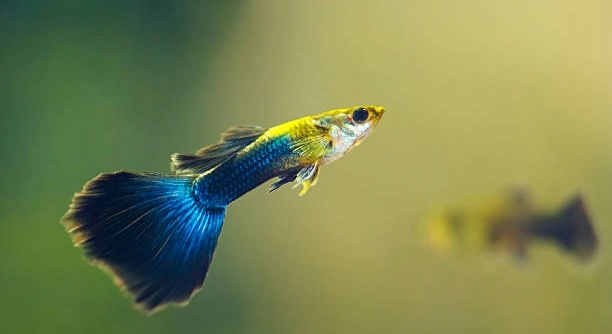
Sometimes, it’s frustrating when your guppy isn’t giving birth as expected. Whether you’re a new fish owner or an experienced one, it can leave you wondering what’s wrong. Let’s explore why this happens.
Guppies may fail to give birth due to various factors such as stress, incorrect water conditions, or poor nutrition. Additionally, the fish may not be fully mature, or the pregnancy could have been absorbed. These factors need attention for successful breeding.
Understanding the causes behind this can help you solve the issue. By adjusting the environment and taking proper care, you can ensure your guppy’s health and encourage future pregnancies.
Stress and Overcrowding
Stress is a significant factor when a guppy is not giving birth. When guppies are exposed to stressful conditions, such as overcrowding, frequent water changes, or aggressive tank mates, their bodies may delay or stop the birthing process altogether. Overcrowding can make it harder for the pregnant guppy to find a peaceful spot, increasing stress levels. It’s essential to keep the tank calm, with plenty of hiding places, to reduce stress for the pregnant fish. A stressful environment can also weaken the guppy’s immune system, which may affect the pregnancy.
Guppies thrive in peaceful, calm surroundings. Stress from external factors like water quality, temperature, or tank mates can impact their health and reproductive success.
To make sure your guppy feels secure, try separating it from aggressive fish or other guppies. You can also create more hiding spots, such as using plants or decorations to help her feel safe. A stress-free environment is key to a smooth pregnancy and birth.
Poor Water Conditions
Water quality is critical to the health of all fish, especially pregnant guppies. If the water in the tank isn’t clean or the temperature is unstable, it can cause serious issues for the pregnant guppy. Guppies prefer a water temperature between 72°F and 82°F, with pH levels ranging from 7.0 to 8.0. If these parameters are not met, the guppy may not be able to carry the pregnancy to term or give birth on time. Poor water quality can also lead to the absorption of the developing babies, meaning they will not be born.
Regular water changes are essential to keeping water quality high. Ensure the tank has proper filtration to prevent ammonia or nitrites from building up.
Test the water often to make sure it stays within the right temperature and pH range. If necessary, invest in a good water testing kit and keep an eye on any fluctuations. Clean water supports the health of both the mother and the babies, giving them the best chance at a successful birth.
Nutritional Deficiencies
A guppy’s diet plays an important role in the pregnancy process. A lack of proper nutrition can prevent a pregnant guppy from giving birth or cause complications during the pregnancy. Guppies need a balanced diet rich in protein, vegetables, and fiber. Without these nutrients, their bodies might struggle to support the growing babies. Over time, nutritional deficiencies can lead to stress and reduce the chances of successful breeding.
Feeding your guppy a variety of high-quality fish food, including live or frozen food like brine shrimp or daphnia, will provide the necessary nutrients for a healthy pregnancy. Avoid feeding them too much, as overeating can also cause health issues.
It’s important to ensure the diet is well-rounded, giving the guppy enough protein to support the babies and maintain her health. Additionally, supplementing her diet with some plant matter, like algae or spirulina, can improve her overall nutrition. A balanced diet is essential to keep your guppy strong and ready to give birth.
Incomplete Maturity
Guppies can sometimes take longer to reach sexual maturity than expected. If your guppy is still too young, she may not be able to reproduce. Female guppies generally reach maturity between 3 to 6 months of age. If you have a younger guppy, she may not yet be ready to carry and give birth to fry, even if she appears to be pregnant.
If your guppy is under six months old, she might need more time to fully develop before she can give birth.
It’s important to be patient with young guppies. Once they reach the appropriate age and size, their body will be better prepared for pregnancy and giving birth. In the meantime, continue to provide optimal care, including proper nutrition and water conditions, to help her grow.
Pregnancy Absorption
Sometimes, a guppy may experience pregnancy absorption, where the developing fry are reabsorbed into the mother’s body. This can happen for various reasons, such as stress or health issues. When this occurs, you may notice that the guppy’s belly shrinks, and no babies are born. Pregnancy absorption can be disheartening, but it’s important to understand that it is a natural process in some cases.
Pregnancy absorption may happen in response to changes in the guppy’s environment, such as temperature shifts or poor water conditions.
While it can be frustrating, there’s not much that can be done once the absorption process begins. The best thing you can do is ensure the guppy is in optimal conditions, keeping stress levels low and the water clean. If she seems healthy, another chance for birth may come in the future.
Overfeeding
Overfeeding your guppy can be just as harmful as underfeeding, especially during pregnancy. When a guppy is overfed, she may gain excess weight, which can cause stress on her body and affect her ability to give birth. Overfeeding can lead to obesity, making the guppy lethargic and less active, which might delay the birthing process.
It’s essential to feed your guppy the right amount of food.
Instead of overfeeding, offer smaller, more frequent meals. This will help prevent obesity and keep her active and healthy. Always ensure that the food provided is eaten within a few minutes, as leftover food can deteriorate water quality and cause other problems in the tank.
Water Temperature Fluctuations
Water temperature plays a huge role in a guppy’s pregnancy. If the temperature is too high or too low, it can interfere with the birthing process. Guppies prefer a steady temperature range between 72°F and 82°F. Major temperature shifts can cause the guppy to abort the pregnancy or even reabsorb the fry.
When the water temperature fluctuates, it can stress the guppy and prevent her from giving birth. Maintaining a stable environment ensures the fish stays healthy and relaxed.
Consider investing in a reliable aquarium heater with a thermostat to maintain the water at a consistent temperature. Sudden drops or rises in temperature can cause severe stress and prevent the guppy from giving birth. Keeping the water temperature in the recommended range is one of the best ways to promote a successful pregnancy.
Lack of Privacy
Pregnant guppies, like many fish, prefer privacy during their pregnancy. If they feel exposed or are constantly disturbed, they may delay or abort the birth. When a guppy feels unsafe, she may not be able to relax enough to give birth.
Providing hiding spots such as plants or decorations can help create a more comfortable environment. A quiet area will allow your guppy to feel secure enough to give birth at the right time.
Consider using a breeding box if you want to separate the pregnant guppy from other fish but still keep her in the same tank. This can help reduce stress while providing the privacy she needs. A safe and calm environment is crucial to ensuring the pregnancy progresses naturally.
Overbreeding
Overbreeding is another possible reason your guppy isn’t giving birth. If the guppy has been bred too often, her body may need a break to recover. This can delay or prevent future pregnancies.
Give your guppy some time to rest between breeding sessions. This will allow her to regain her strength and energy for another successful pregnancy.
By reducing the frequency of breeding, you can help her body heal and prepare for future pregnancies. A proper rest period will ensure that she’s physically ready to carry and give birth to healthy fry.
Health Issues
Health problems can interfere with a guppy’s ability to carry or give birth. Any underlying illness or infection can cause complications, leading to a delay or even loss of the fry.
Regularly check for any signs of illness like lethargy, unusual spots, or swimming difficulties. Sick guppies often struggle with pregnancy or may not give birth at all.
If you suspect your guppy is ill, it’s essential to separate her from other fish and treat her accordingly. This way, she has the best chance of recovering and successfully giving birth.
Genetic Factors
Genetics can also affect a guppy’s ability to reproduce. Some guppies may not give birth due to genetic issues, including problems with their reproductive organs.
Genetic abnormalities can cause issues that prevent the pregnancy from progressing. It’s important to remember that these situations are not uncommon.
If you suspect that genetics are at play, breeding with different, healthy stock can help reduce the chances of passing on such issues. Choosing healthy guppies for breeding is essential for long-term success.
FAQ
Why is my guppy not giving birth even though she looks pregnant?
There are several reasons why your guppy may not be giving birth, despite appearing pregnant. One of the most common reasons is stress. If she feels threatened or overcrowded, her body may delay the birthing process. Another possibility is that she could be absorbing the babies back into her body due to unfavorable water conditions or illness. Poor nutrition and fluctuating water temperatures can also affect the pregnancy. Keep the tank peaceful, maintain stable water conditions, and offer a nutritious diet to support the pregnancy.
How can I tell if my guppy is truly pregnant?
A guppy’s pregnancy can usually be recognized by the dark spot near her abdomen, which is the developing fry. This spot becomes more visible as the pregnancy progresses, and her belly will begin to grow larger. Pregnant guppies may also exhibit behavioral changes, such as swimming more slowly or seeking out hiding spots. If you’re unsure, watching for these signs over a few days will help confirm her pregnancy. However, some guppies may have subtle pregnancies that are harder to detect.
Can water temperature affect my guppy’s pregnancy?
Yes, water temperature plays a significant role in a guppy’s pregnancy. Guppies are tropical fish, and they thrive in temperatures between 72°F and 82°F. If the temperature drops too low or rises too high, it can cause stress and may result in delayed or failed births. A fluctuating temperature can also make the guppy’s body absorb the fry, preventing birth. It’s essential to maintain a steady temperature with a reliable aquarium heater to ensure a successful pregnancy.
Is it normal for my guppy to give birth to only a few fry?
Yes, it’s completely normal for some guppies to give birth to only a few fry, especially if it’s her first pregnancy. The number of fry can vary depending on the guppy’s age, health, and genetic factors. Older, healthier guppies tend to give birth to more fry. However, it’s important to ensure that the guppy is in a healthy environment, as stress or poor conditions can reduce the number of fry born.
Can my guppy be pregnant even if there are no males in the tank?
Guppies are capable of storing sperm for several months after mating. This means that a female guppy can still get pregnant even if there are no males currently in the tank. If she has mated in the past and stored sperm, she can give birth to multiple batches of fry without any additional mating. This is a common occurrence, especially in tanks where males and females have been together before.
How long does it take for a guppy to give birth?
The gestation period for guppies typically lasts between 21 to 30 days, though it can vary slightly depending on the water temperature and the guppy’s health. Warmer water temperatures generally speed up the process, while cooler temperatures can delay birth. You’ll likely notice the guppy’s belly growing larger and the fry becoming visible inside her near the end of the pregnancy. Once you see these signs, it’s usually only a few days until she gives birth.
What should I do if my guppy is struggling during birth?
If your guppy seems to be struggling during birth, it’s important to ensure the tank conditions are optimal. Check the water temperature and make sure it’s within the correct range (72°F to 82°F). If the temperature is too low, the guppy may have trouble birthing. You can also separate her from other fish using a breeding box to minimize stress. If the situation doesn’t improve, consider consulting a veterinarian who specializes in fish to ensure she doesn’t have any health issues preventing a smooth birth.
How often can I breed my guppy?
It’s generally recommended to allow at least a month between breeding sessions to give your guppy time to recover. Overbreeding can cause stress and may affect her health, leading to complications like miscarriage or fewer fry. Additionally, breeding too frequently can leave the guppy physically exhausted. Allowing her to rest and recover before the next breeding session is essential to ensure her well-being and the health of the fry.
What can I do to help my guppy feel less stressed?
To reduce stress for your guppy, make sure the tank is peaceful. Avoid keeping aggressive or overly active fish that may bother her. Provide plenty of hiding spots with plants or decorations where she can feel secure. Also, ensure the tank is not overcrowded, as this can increase stress levels. A calm, stable environment with proper water quality and temperature will encourage your guppy to stay healthy and give birth without complications.
Is it possible for a guppy to have a miscarriage?
Yes, guppies can experience miscarriages, usually due to stress, poor water conditions, or illness. If the guppy’s environment is too stressful, her body may reabsorb the fry or stop the pregnancy altogether. If you notice signs of miscarriage, such as the belly shrinking and no fry being born, it’s essential to check the tank’s conditions immediately and ensure that the guppy is well cared for. Regular water changes and a proper diet can help prevent this.
How can I encourage my guppy to give birth sooner?
If you want to encourage your guppy to give birth sooner, ensure that her water temperature is within the ideal range of 72°F to 82°F. Warmer water can help speed up the birth process, though it’s important not to make it too hot. Reducing stress in the tank by removing aggressive fish or providing more hiding spaces can also help her feel more secure. However, be patient and let nature take its course, as forcing the process can harm both the guppy and the fry.
Final Thoughts
There are several reasons why your guppy might not be giving birth, and understanding these factors can help you address the issue. From stress and overcrowding to poor water conditions, each factor plays a significant role in the health and well-being of your pregnant guppy. It’s important to remember that guppies, like all living creatures, need the right environment to thrive. Ensuring they have a peaceful, clean, and stress-free space will not only help them during pregnancy but also improve their overall health.
Paying attention to details such as water temperature, food quality, and the tank environment can make a big difference. Providing hiding spots and separating aggressive fish can help reduce stress, while making sure the water is at the right temperature will support the pregnancy. Guppies are sensitive creatures, and small changes in their environment can lead to big differences in how they behave and how successful their pregnancies are. The key is to be patient and make the necessary adjustments to ensure they feel safe and healthy.
If your guppy has trouble giving birth, don’t panic. In many cases, simply correcting environmental factors can lead to a successful pregnancy. However, if problems persist or the guppy seems unwell, consulting a veterinarian who specializes in fish can provide further insight. With proper care and attention, your guppy can give birth to healthy fry, and you’ll be able to enjoy the process of nurturing them as they grow.

Hello,
If you enjoy the content that we create, please consider saying a "Thank You!" by leaving a tip.
Every little bit helps us continue crafting quality advice that supports the health, happiness, and well-being of pets around the world, for pets of all shapes, sizes, and species.
We really appreciate the kindness and support that you show us!