
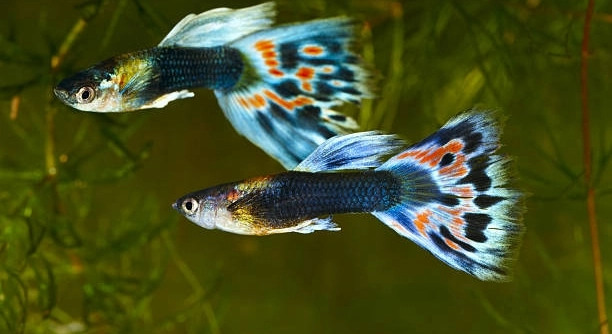
Guppies are often a delightful addition to any aquarium, but their behavior can sometimes leave owners wondering. If your guppies are avoiding the bottom of the tank, it’s a sign of something beyond just their swimming habits.
Several factors can cause your guppies to avoid the bottom of the tank. Stress, poor water conditions, illness, or the presence of predators can all lead to this behavior. Ensuring a clean environment and observing their health is key to resolving this issue.
By understanding the causes behind this behavior, you can make the necessary adjustments to your aquarium setup and keep your guppies healthy and happy.
Stress from Tank Mates
Stress is a major factor in why guppies might avoid the bottom of the tank. Aggressive tank mates, such as larger fish or species that tend to harass them, can cause anxiety. Guppies, being small and peaceful, may feel threatened and swim at higher levels to escape potential danger. It’s important to observe how the other fish in the tank behave. If there’s visible aggression, it can severely affect your guppies’ comfort and health.
Guppies are naturally calm fish that thrive in peaceful environments. To prevent stress, keep a good balance of tank mates that are non-aggressive and similar in size. Overcrowding can also increase stress, leading to behaviors like avoiding the tank’s bottom.
A stressed guppy will likely exhibit erratic swimming patterns, including staying near the surface or constantly darting around. If your guppies are avoiding the bottom, try rearranging the tank and adding more hiding spots. Plants, rocks, and decorations provide safety zones that can help reduce stress levels. In some cases, separating aggressive fish might be the best solution.
Poor Water Conditions
Water quality is essential for guppies to thrive. If your tank has imbalanced water parameters, it can directly affect their behavior. High levels of ammonia, nitrites, or nitrates are harmful to guppies, causing them to avoid the bottom in search of a healthier spot. Proper filtration and regular water changes can help maintain clean conditions.
To ensure the water is safe for your guppies, test the water regularly for pH, hardness, and temperature. Consistent maintenance is key to their well-being. Poor water conditions also make them more vulnerable to diseases.
Illness or Injury
Guppies that are sick or injured may avoid the bottom of the tank. Illness can make them weak and less inclined to move around normally. Injuries, whether from fighting or tank accidents, can also lead to strange swimming behaviors.
Signs of illness include faded colors, lethargy, or unusual swimming patterns. If your guppies are swimming erratically or avoiding the bottom, examine them closely for any signs of damage or distress. Make sure the water quality is optimal, as poor water conditions can weaken their immune system. If needed, separate the sick fish to avoid further stress.
If a guppy is injured, it might seek the surface or hide among plants to avoid further disturbance. A tank with healthy, well-maintained water conditions can help them heal faster. If symptoms persist, consider consulting a veterinarian specializing in fish.
Lack of Food at the Bottom
Sometimes, guppies avoid the bottom of the tank simply because there is no food there. Guppies are surface feeders, and they tend to eat flakes or pellets that float. If food doesn’t sink to the bottom, they will likely avoid it.
To ensure your guppies are eating properly, try adding sinking food, such as pellets or frozen foods like bloodworms, to the lower part of the tank. This ensures that they get a balanced diet and helps prevent any nutrient deficiencies.
Some guppies may also avoid the bottom if they are used to eating only at the top of the tank. Over time, they may develop habits that keep them at the surface, even if food is available lower down. By offering food at various levels in the tank, you encourage more natural foraging behaviors.
Temperature Fluctuations
Sudden temperature changes can make guppies uncomfortable and cause them to avoid the bottom of the tank. Guppies prefer a stable temperature around 72-82°F (22-28°C). When the temperature fluctuates, they may seek areas of the tank that feel more stable.
If you notice your guppies avoiding the bottom, check your heater to ensure it is maintaining a consistent temperature. Cold or overly warm water can stress them, leading to abnormal behavior. Invest in a reliable thermometer to monitor the temperature regularly.
Ensure the water temperature stays consistent, especially during seasonal changes. A stable, comfortable environment helps maintain their health and normal behavior.
Lack of Proper Hiding Spaces
Without proper hiding spots, guppies may feel exposed and stressed, prompting them to avoid the bottom. Guppies like to have areas where they can retreat for peace and privacy.
Provide plants, decorations, or rocks where they can hide. A well-decorated tank encourages more natural behavior and helps reduce stress. Guppies are social fish, but they still appreciate some personal space.
Adding hiding spots can also help them feel more secure. Guppies that feel safe are more likely to behave normally, swimming at various levels and resting near the bottom when necessary.
FAQ
Why are my guppies swimming at the top of the tank?
Guppies often swim at the top of the tank when they are stressed, searching for food, or when the water conditions are poor. If the water lacks oxygen, they may swim to the surface to gulp air. A lack of proper filtration or aeration can lead to low oxygen levels, forcing your guppies to remain near the surface. Another possible reason is overcrowding, which can cause them to swim in specific areas of the tank.
Ensure that the water quality is optimal by testing for ammonia, nitrites, and nitrates. Adequate filtration and regular water changes can help maintain proper oxygen levels. If overcrowding is an issue, consider reducing the number of fish in the tank.
Is it normal for guppies to swim on their sides?
If your guppy is swimming on its side, this is a sign of a potential health issue. It may indicate an internal problem like a swim bladder disorder, which affects the fish’s ability to maintain buoyancy. Swim bladder issues can be caused by overfeeding, poor water conditions, or even infections. If the problem is severe, the guppy may struggle to stay upright and swim.
Check the water temperature, as cold water can contribute to swim bladder issues. Also, avoid overfeeding, as this can cause bloating. If symptoms persist, consider isolating the fish in a hospital tank and providing treatment for swim bladder disorders.
Why are my guppies not eating?
If your guppies are not eating, it could be due to stress, illness, or poor water conditions. Fish that feel unsafe in their environment may lose their appetite, particularly if there are aggressive tank mates or inadequate hiding spots. Illness can also cause a loss of appetite, so it’s important to check for any signs of disease.
Make sure the water is clean and at the appropriate temperature. Ensure that the food you’re offering is suitable for guppies, and try a variety of foods, including flakes, pellets, and live food. If the lack of appetite continues, check the health of your guppies closely and consult a specialist if necessary.
Why do guppies swim in circles?
Guppies may swim in circles for several reasons. Stress and poor water conditions are the most common causes. If the water is not adequately filtered or if there are toxins in the tank, guppies may exhibit erratic swimming behaviors, including swimming in circles. Overcrowding can also contribute to this behavior.
Regular water changes, proper filtration, and ensuring that your guppies have enough space in the tank can help prevent this behavior. If you see other signs of illness, such as lethargy or discoloration, the fish may be sick and should be isolated for treatment.
Why are my guppies swimming in one spot?
Guppies swimming in one spot, particularly near the surface, can indicate several potential issues. It could be a sign of poor water conditions, such as low oxygen levels. Guppies may be looking for better water quality, or they could be avoiding other tank mates due to stress.
Ensure your tank has proper filtration and aeration to maintain oxygen levels. Regularly test the water to ensure ammonia and nitrate levels are safe. Providing hiding spots and reducing tank mate aggression can also help your guppies feel more comfortable and reduce this behavior.
Why are my guppies chasing each other?
Chasing is a common behavior among guppies, especially if there are males and females in the tank. Males may chase females during mating behavior, or the fish might be competing for space or food. This can be normal, especially during breeding periods.
If the chasing seems aggressive or excessive, it may indicate stress or overcrowding. Males can become territorial and chase each other to establish dominance. Consider adding more females if there are too many males in the tank to reduce aggression, and ensure the tank has enough hiding places for the fish to escape if needed.
How do I know if my guppy is stressed?
Stressed guppies may exhibit various behaviors, such as swimming erratically, hiding, or staying near the surface. Their colors may fade, and they may lose their appetite or become lethargic. Poor water quality, overcrowding, and aggressive tank mates are the most common stressors for guppies.
To reduce stress, make sure the tank is well-maintained with proper filtration, and avoid overcrowding. Provide plenty of plants and hiding spaces to help your guppies feel secure. Observing your guppies closely will help you spot signs of stress early and take action.
Why are my guppies breathing heavily?
Heavy breathing in guppies is a common sign of poor water quality or insufficient oxygen levels. If your guppies are gasping at the surface or breathing rapidly, it’s likely that the oxygen levels in the tank are too low. This can be caused by inadequate filtration, overcrowding, or high temperatures.
Ensure the tank has a reliable filter and consider adding an air pump to increase oxygenation. Perform regular water changes to keep the water clean and test for ammonia and nitrate levels to ensure the environment is healthy. Reducing the number of fish in the tank can also help prevent oxygen depletion.
Final Thoughts
Guppies are hardy fish, but they can experience behavioral changes for various reasons. Understanding why your guppies are avoiding the bottom of the tank or exhibiting unusual behaviors is crucial to keeping them healthy. It’s essential to pay attention to water quality, as poor water conditions can lead to stress and illness, which will impact their behavior. Regular tank maintenance, including water changes and proper filtration, is key to ensuring a stable and safe environment for your fish.
Another factor to consider is the temperature and its consistency. Sudden temperature fluctuations can cause discomfort for your guppies, making them more likely to avoid certain areas of the tank. Keeping the water temperature within the ideal range of 72-82°F (22-28°C) and using a reliable heater will prevent these temperature-related issues. Similarly, overcrowding or the lack of hiding spaces can lead to stress, which may result in abnormal swimming patterns or behavior.
By monitoring their environment and health, you can address the underlying causes of unusual guppy behavior. Pay attention to signs of illness or injury, and take prompt action if you notice any abnormalities. Offering a variety of food types, including sinking pellets, can ensure they receive a balanced diet. Overall, with proper care and attention, your guppies can thrive in their tank and show their usual vibrant, active behavior.

Hello,
If you enjoy the content that we create, please consider saying a "Thank You!" by leaving a tip.
Every little bit helps us continue crafting quality advice that supports the health, happiness, and well-being of pets around the world, for pets of all shapes, sizes, and species.
We really appreciate the kindness and support that you show us!