
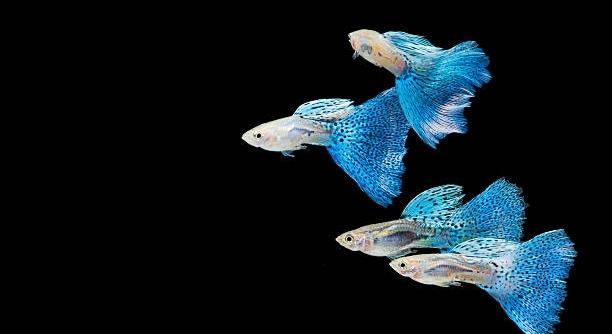
Are your guppy fry staying still for long periods, leaving you unsure if something might be wrong with them? Understanding their behavior is important for keeping them safe, healthy, and active in your aquarium environment.
Guppy fry may stay still due to stress, poor water quality, temperature fluctuations, lack of oxygen, illness, hunger, or natural resting behavior. Identifying the cause early is essential for maintaining a stable and healthy environment.
Recognizing these reasons can help you create a safe space where your guppy fry can thrive and grow without unnecessary stress or health issues.
Poor Water Quality
Guppy fry are sensitive to their surroundings, and poor water conditions can cause them to stay still for long periods. Ammonia and nitrite buildup, high nitrate levels, or inconsistent pH can make the tank stressful or even harmful. A sudden shift in these levels can lead to lethargy, especially in younger fish that haven’t developed full resistance to environmental stressors. Even if your adult guppies seem fine, the fry might react differently. Regularly testing the water and performing partial water changes can help stabilize their environment. Clean filters, proper cycling, and avoiding overcrowding are also essential.
A quick water test is often all it takes to determine if your tank is the problem. When in doubt, do a 25–30% water change and monitor the fry.
Keeping fry active starts with stable water parameters. Use a test kit to check ammonia, nitrites, nitrates, and pH weekly. Avoid sudden changes, overfeeding, or skipping maintenance.
Temperature Fluctuations
A sudden or prolonged shift in temperature can cause fry to stop moving. Their tiny bodies are more sensitive to cold or heat, and even a few degrees outside the ideal range can slow them down.
Guppy fry thrive in temperatures between 76°F and 80°F. Anything too far below or above this range can stress them out, slowing their metabolism and affecting their behavior. If the temperature drops quickly, they may become motionless as a way of conserving energy. This can also weaken their immune system, making them more vulnerable to infections. Using a reliable aquarium heater and thermometer is essential to maintaining a stable temperature. Place the thermometer where it’s easy to monitor daily, and avoid putting the tank near windows or vents that can cause unexpected shifts. Consistency is key—frequent fluctuations are often more harmful than one minor change. Adjust gradually if needed, and always double-check your equipment.
Lack of Oxygen
When oxygen levels are too low, guppy fry often stay still near the surface or cling to one spot. A lack of movement usually means they’re struggling to breathe. This can happen in tanks with poor circulation or without an air stone.
Smaller tanks without good filtration or water movement can lose oxygen fast, especially in warmer water. The warmer the water, the less oxygen it holds. If you notice fry gasping at the top or hovering low without swimming, it may be due to this. Adding a sponge filter or air stone helps boost oxygen levels. Live plants can help too, especially during the day. Avoid overcrowding, which reduces available oxygen and increases waste. Always make sure the surface of the water is slightly agitated, as this helps with gas exchange. Keeping your setup simple and balanced goes a long way.
It’s easy to overlook oxygen levels until fry begin showing signs. Even with clear water and a clean filter, a lack of circulation can create dead zones where oxygen runs low. Placing an air stone or sponge filter in those areas helps prevent this. Adjust decorations or plants if they block flow. Watch the fry’s activity closely—small changes can make a big difference.
Stress from Tank Mates
Fry can freeze in place if they feel threatened by other fish. Larger guppies or other active species may chase or nip at them, forcing them to hide or stay still. This kind of stress can impact growth and health.
Even in peaceful tanks, fry may feel unsafe around adult guppies, especially males. If adults are constantly swimming near them or showing aggression, fry often retreat to corners or plants to stay safe. Separating fry into a breeder box or a separate tank gives them a more secure space to rest and swim freely. When they feel safe, they are more likely to eat, grow, and move normally. If using a breeder box, ensure it has gentle water flow and doesn’t trap debris. Creating a calm space for them early on supports healthy development and reduces unnecessary stress that can lead to long-term issues.
Illness or Weakness
Sick fry often stop moving and stay near the bottom or surface. They might look pale, thin, or have clamped fins. Illness can spread quickly, so it’s important to act fast when these signs appear.
Weak or underdeveloped fry may also move less than healthy ones. They need clean water, proper food, and low stress to recover.
Hunger or Poor Diet
If guppy fry aren’t getting enough food or the right type, they can become weak and inactive. Fry need several small meals daily, including finely crushed flakes, baby brine shrimp, or specialized fry food. A lack of nutrition affects their energy and movement. Always remove uneaten food to prevent water issues.
Natural Resting Behavior
Sometimes fry rest quietly even if they are healthy. They may pause after eating or during low light hours. Short periods of stillness can be normal. Keep observing them to make sure they start moving again within a short time.
FAQ
Why are my guppy fry not swimming around?
Guppy fry may stop swimming due to stress, poor water quality, or illness. Check the water parameters like ammonia, nitrites, and temperature to ensure they’re stable. Fry are also sensitive to tank mates and can become inactive if they feel threatened. Lack of food or natural resting behavior can also cause them to appear still.
How do I know if my guppy fry are stressed?
Stress is often shown by hiding, clamping fins, or staying still for long periods. If fry are swimming erratically, gasping at the surface, or staying in one corner of the tank, it may indicate stress. Tank mates, poor water conditions, and sudden temperature changes are common stressors.
What should I do if my guppy fry are staying still for a long time?
First, check water quality. Make sure ammonia, nitrites, and nitrates are in the safe range. Perform a partial water change if necessary. Ensure that the temperature is stable, and oxygen levels are sufficient. If the fry are still not moving, separate them from potential aggressive tank mates.
Can water temperature affect my guppy fry’s activity?
Yes, water temperature can play a significant role in the activity of guppy fry. Fry are more sensitive to temperature fluctuations than adult fish. Keep the water between 76°F and 80°F. Temperatures too high or too low can cause them to become lethargic and even stress out.
How do I increase oxygen levels for my guppy fry?
Adding an air stone or sponge filter to your tank can increase oxygen levels and improve circulation. Proper filtration is also essential for maintaining a healthy environment. Avoid overcrowding the tank, as this can reduce the available oxygen for fry. Live plants can also help by releasing oxygen during the day.
Is it normal for guppy fry to be still sometimes?
Yes, guppy fry may occasionally remain still, especially after eating or during dark periods. Short periods of rest are a part of their natural behavior. However, if they stay still for prolonged times and show signs of distress, it’s important to check for other issues such as illness or water quality problems.
What causes my guppy fry to be lethargic?
Lethargy in guppy fry can be caused by poor water quality, stress, illness, or inadequate food. If fry are not eating enough or the water conditions are not ideal, they may appear sluggish or motionless. Make sure they have access to a proper diet and that their environment is clean and stable.
Can overfeeding cause my guppy fry to be inactive?
Yes, overfeeding can contribute to inactivity in guppy fry. Excess food decomposing in the tank can cause water quality issues, leading to stress or lethargy. Always remove uneaten food after feeding and avoid overfeeding. Fry should be fed small amounts multiple times a day to ensure they stay active and healthy.
What’s the best way to care for guppy fry?
To care for guppy fry, maintain good water quality, stable temperatures, and proper oxygen levels. Feed them high-quality, finely crushed food, such as baby brine shrimp or specialized fry food. Avoid overcrowding the tank, and ensure that they have enough space to swim freely.
Can other fish affect the activity of my guppy fry?
Yes, adult guppies or other aggressive tank mates can make guppy fry feel stressed, leading to inactivity. Larger fish may nip at or chase the fry, making them hide or stay still. It’s best to keep the fry in a separate, peaceful tank or use a breeder box to reduce stress.
What are the signs that my guppy fry are sick?
Sick guppy fry may appear pale, have clamped fins, or refuse to eat. They may also stay at the bottom or top of the tank, swimming weakly or not at all. If you notice these signs, consider isolating the fry in a hospital tank and treating them with appropriate medication.
How long does it take for guppy fry to become more active?
Guppy fry should become more active once their environment is stabilized. If they are healthy, they will begin swimming around as soon as they feel safe and secure. If inactivity persists despite correcting water quality, temperature, and tank conditions, further investigation is needed for potential health concerns.
Can my guppy fry be lazy after feeding?
Yes, guppy fry may become less active after eating as they take a break to digest their food. This behavior is normal, especially if they’ve eaten a large meal. However, if they remain still for long periods even after digestion, other factors such as water quality or stress might be involved.
How do I know if my guppy fry are getting enough food?
Fry that are getting enough food will be active and swimming around looking for more. If they seem lethargic or stay in one spot for long periods, they may not be eating enough. Provide them with small, frequent feedings of appropriate food to ensure they’re getting the nutrients they need.
Should I separate my guppy fry from adult guppies?
Yes, separating guppy fry from adult fish can help reduce stress and protect them from being nipped or chased. Adult guppies might inadvertently harm the fry, and fry can become stressed or inactive in crowded conditions. A breeder box or separate tank is ideal for growing fry in a safe environment.
What are the best conditions for guppy fry?
The best conditions for guppy fry include clean water, stable temperature (76°F to 80°F), proper oxygenation, and gentle filtration. They should have space to swim freely and avoid overcrowding. A balanced diet of high-quality food is essential for healthy growth and activity.
Why are my guppy fry staying near the surface?
Guppy fry may stay near the surface if the oxygen levels in the tank are low, or they may do so to avoid aggressive tank mates. Poor water quality or an insufficient filtration system can also cause fry to seek the surface for more oxygen. Check the water parameters and ensure proper circulation.
How often should I change the water for my guppy fry tank?
Water changes for a guppy fry tank should be done weekly, but you may need to do partial changes more frequently if the tank has poor filtration or overcrowding. A 25–30% water change each week will help maintain good water quality and keep the fry healthy.
Can guppy fry get stressed by noise or light?
Yes, loud noises or sudden changes in light can stress guppy fry and make them inactive. Fry are more sensitive to environmental changes, so it’s best to avoid placing the tank in noisy or high-traffic areas. Consistent lighting and a peaceful environment will help keep them calm and active.
Final Thoughts
Understanding why your guppy fry may be staying still is crucial for their health and well-being. There are several potential reasons, from natural resting behavior to stress caused by poor water quality or overcrowded tanks. By observing their movements, checking the water parameters, and making adjustments as needed, you can ensure that your fry thrive. Keeping the environment clean, stable, and free of stressors is essential for their development into active, healthy fish.
Proper care, including maintaining water quality and providing a balanced diet, plays a key role in the fry’s activity levels. If your fry are not eating enough or the water quality is poor, they may become inactive. Similarly, factors such as temperature fluctuations or the presence of aggressive tank mates can also make them more likely to remain still. It is important to address any issues immediately to avoid long-term health problems for your fry.
Lastly, don’t panic if your guppy fry appear to be still from time to time. Some stillness is normal as they rest or digest their food. However, if the inactivity persists and is accompanied by other signs like clamped fins, pale color, or difficulty swimming, it may indicate a health problem. Regular monitoring, quick action when needed, and providing the best care possible will help ensure your fry remain healthy and active.

Hello,
If you enjoy the content that we create, please consider saying a "Thank You!" by leaving a tip.
Every little bit helps us continue crafting quality advice that supports the health, happiness, and well-being of pets around the world, for pets of all shapes, sizes, and species.
We really appreciate the kindness and support that you show us!