
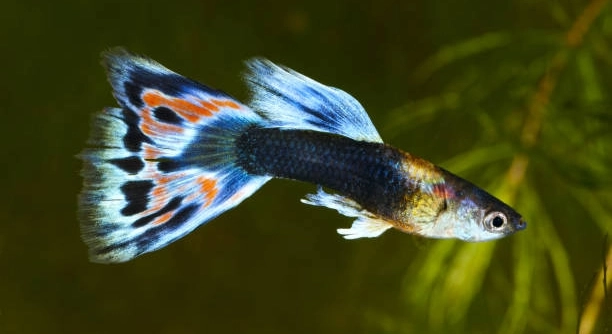
Guppies are small but resilient fish, making them great pets. However, they can experience discomfort or pain, which can sometimes be hard to detect. Knowing the signs of pain is crucial for their well-being.
Guppies may exhibit several signs when in pain, including changes in behavior, eating habits, or physical appearance. Monitoring their movements, eating patterns, and general health can help identify potential discomfort, ensuring timely care and treatment.
Understanding these signs will help you respond quickly and effectively to ensure your guppy’s comfort and health.
Changes in Swimming Behavior
When your guppy is in pain, one of the first signs may be a change in their swimming patterns. Healthy guppies swim freely and actively, but a fish in discomfort may swim erratically or struggle to stay upright. You might notice them staying near the surface or hiding in corners of the tank. This could indicate that something is wrong, either physically or emotionally. Stress and pain often cause these unusual swimming behaviors, signaling the need for closer attention.
Sometimes, a guppy in pain may also display sluggish movements or swim in circles. If you observe your guppy not interacting with the other fish as they normally would, this is another indication that they may not be feeling well. Guppies usually enjoy exploring their environment and interacting with others, so any deviation from this pattern should be carefully monitored.
Pay attention to the duration and intensity of these changes. Small shifts in behavior can signal discomfort, and a response to these early signs will improve your guppy’s overall health and happiness.
Lack of Appetite
A decrease in appetite is another clear sign that your guppy may be in pain. Healthy guppies are usually eager to feed, but pain often causes them to lose interest in food. Whether it’s flake food, live plants, or other fish, a guppy in discomfort may ignore meals entirely. In some cases, they may eat but appear uninterested or lethargic while doing so.
This can be linked to various underlying health issues, from digestive problems to internal injuries. Guppies are sensitive creatures, and their appetite can be a good indicator of their physical state. If you notice a sudden lack of eating, it’s important to take action quickly and consult a vet if necessary.
Scrapes or Cuts on the Body
Visible damage to your guppy’s skin can signal pain. Small cuts or scrapes often appear from fighting, poor water quality, or tank decorations. These injuries may cause swelling or redness around the area. If you notice these signs, it’s crucial to address the cause and care for the injury promptly.
In some cases, guppies may have open wounds that seem to worsen over time. This could be due to infection or further injury caused by tank mates. Treating these injuries quickly will prevent complications like infection and stress. Quarantining the injured guppy can provide a safe environment for healing.
Ensure the water quality is optimal during recovery. Poor water conditions can worsen injuries and make healing slower. Regularly check for signs of infection like cloudy eyes or inflammation. Healing requires a calm, clean space to reduce further stress on the guppy.
Difficulty Breathing
Pain can also cause your guppy to struggle with breathing. You may notice faster gill movements or gasping at the surface. This indicates the guppy might be in physical distress, possibly from an injury or water quality issue. Any sign of labored breathing should be taken seriously.
Water quality is a major factor when it comes to breathing issues. High ammonia levels, improper pH, or a lack of oxygen can make it harder for guppies to breathe. It’s important to monitor water conditions regularly and make necessary adjustments to ensure your guppy is comfortable.
If the breathing continues, this could be a sign of infection or other internal problems. In such cases, isolating the guppy and providing proper treatment is essential to prevent further harm.
Clamped Fins
When a guppy is in pain, they may display clamped fins, where their fins are held close to their body instead of being spread out. This is a sign of distress or illness and should not be ignored. Healthy guppies typically have their fins open and moving.
Clamped fins are often seen in guppies experiencing stress from poor water quality, injury, or infection. If you notice this behavior, check the tank’s water parameters and ensure they are within the ideal range. Stressful conditions can exacerbate any discomfort, making it harder for your guppy to heal.
Proper care and treatment are essential when clamped fins are noticed. If water quality isn’t the issue, the problem could be an internal infection or injury. Immediate attention will prevent further harm and help restore your guppy’s health.
Excessive Hiding
Excessive hiding can be another sign that your guppy is in pain. Healthy guppies usually enjoy exploring their surroundings, interacting with tank mates, and swimming in open spaces. When a guppy is in distress, it may retreat to dark corners or plants, avoiding social interaction.
This behavior can be linked to both physical and emotional stress. Guppies may hide due to injury, illness, or environmental stressors like poor water quality or a tank that is too noisy. It’s important to assess their environment and ensure the conditions are right for their health.
Providing a stable, peaceful environment can encourage your guppy to feel more comfortable and reduce hiding. If hiding persists, consider isolating the fish for treatment and further evaluation.
FAQ
What causes guppies to experience pain?
Guppies can experience pain for various reasons, including injuries, infections, or poor water conditions. Physical harm, such as cuts from sharp tank decorations or fights with other fish, can cause pain. Internal issues like parasites, bacteria, or organ damage also lead to discomfort. Additionally, stress from overcrowded tanks or fluctuating water quality can contribute to their suffering.
How can I tell if my guppy is in pain?
You can spot signs of pain in your guppy by looking for abnormal behavior, such as erratic swimming, hiding, clamped fins, or a lack of appetite. Physical changes, like cuts or swelling, can also indicate pain. Pay close attention to their breathing patterns, as pain often leads to labored breathing. A combination of these signs will give you a clearer picture.
Can guppies recover from pain?
Yes, guppies can recover from pain if the underlying cause is addressed. For minor injuries or stress, providing clean water and a calm environment can help them heal. In more serious cases, you may need to treat infections, parasites, or injuries with specific medications. Monitoring their behavior closely will give you an idea of their recovery progress.
How do I prevent my guppy from getting hurt or stressed?
Maintaining optimal water quality is crucial for preventing stress in guppies. Regularly check the pH, ammonia, nitrite, and nitrate levels to ensure they are within the safe range. Avoid sharp decorations and overcrowding in the tank to prevent physical injuries. A stable, peaceful environment with plenty of hiding spaces will also help reduce stress.
Is it safe to treat my guppy with medication?
Yes, but it’s essential to use the right medication for the specific issue. Over-the-counter treatments can be effective for common conditions like skin infections or parasites, but make sure you follow the dosage instructions carefully. Some medications may stress your guppy, so use them only when necessary and ensure the water quality is stable during treatment.
Why is my guppy swimming sideways?
Swimming sideways can indicate a serious problem. It may be a sign of an infection or a swim bladder disorder. Swim bladder issues can occur due to overfeeding, constipation, or injury, causing the guppy to lose control over its buoyancy. Infections or parasites affecting the nervous system can also result in abnormal swimming behavior. If the issue persists, consider isolating the guppy and consulting a vet for advice.
What should I do if my guppy stops eating?
If your guppy stops eating, it could be a sign of pain, stress, or illness. First, check the water quality and ensure the temperature is stable. If the water is fine and your guppy still won’t eat, consider isolating the fish in a separate tank to monitor it more closely. Try offering different types of food to see if that triggers eating. If the problem continues for more than a few days, seek advice from a veterinarian.
How can I help my guppy recover from an injury?
To help your guppy recover from an injury, immediately check the tank for potential hazards like sharp objects that could cause further damage. If the injury is minor, make sure the water quality is good, and provide a calm environment. You can isolate the injured guppy in a separate tank to reduce stress and give it time to heal. Keep the water temperature stable, and avoid overfeeding to ensure the fish isn’t stressed.
What are the most common health problems for guppies?
The most common health problems for guppies include fin rot, swim bladder issues, and internal parasites. Poor water quality often leads to fin rot and other skin infections. Swim bladder problems can be caused by overfeeding or stress. Internal parasites, such as worms or protozoa, can affect digestion and cause pain. Regular water changes and proper tank maintenance will help prevent these issues.
How do I know if my guppy is stressed?
Stress in guppies can be identified by several behavioral changes, such as excessive hiding, erratic swimming, or clamped fins. If your guppy is no longer eating or seems lethargic, it may be stressed. Poor water quality, overcrowding, or incompatible tank mates are common stressors. Monitoring your guppy’s behavior and making adjustments to the tank environment can help reduce stress.
Should I isolate a guppy that is in pain?
Yes, isolating a guppy that is in pain can help prevent it from being harassed by other tank mates. It also provides a controlled environment where you can closely monitor its recovery. Be sure to maintain good water quality in the isolation tank and offer appropriate food and care. This helps the guppy heal faster with less stress.
Can guppies get diseases from other fish?
Yes, guppies can contract diseases from other fish. These diseases can be bacterial, viral, or parasitic. If you notice any signs of illness in your guppy, it’s important to isolate it from other fish to prevent the disease from spreading. Quarantining new fish before adding them to the main tank is also a good practice to avoid introducing diseases.
Final Thoughts
Caring for your guppy requires attention to their behavior and health. They may not be able to communicate pain or distress directly, but by watching for signs like clamped fins, changes in swimming, or a lack of appetite, you can catch issues early. By monitoring their environment and ensuring water quality is kept at its best, you can prevent many health problems before they arise. Guppies are resilient little fish, and with the right care, they can thrive in a healthy, stable environment.
When dealing with any pain or distress in your guppy, it’s essential to act promptly. Immediate action can make a difference in their recovery. If you notice an injury, infection, or behavioral change, consider isolating the affected fish in a separate tank. This gives them a chance to heal without added stress from other tank mates. Additionally, providing the right treatment—whether it’s for an infection, injury, or water quality issue—is vital. Consulting with a veterinarian experienced in aquatic animals is also a good step if you’re unsure about what might be causing the problem.
In the end, the key to keeping your guppy healthy and happy is maintaining a stable and peaceful tank environment. Regular water changes, appropriate food, and proper tank maintenance will help prevent most issues. By paying attention to your guppy’s behavior and responding quickly when something seems off, you can ensure they live a long, healthy life. Remember, a healthy guppy will show you signs of happiness and comfort through their vibrant colors, active swimming, and social behavior.

Hello,
If you enjoy the content that we create, please consider saying a "Thank You!" by leaving a tip.
Every little bit helps us continue crafting quality advice that supports the health, happiness, and well-being of pets around the world, for pets of all shapes, sizes, and species.
We really appreciate the kindness and support that you show us!