
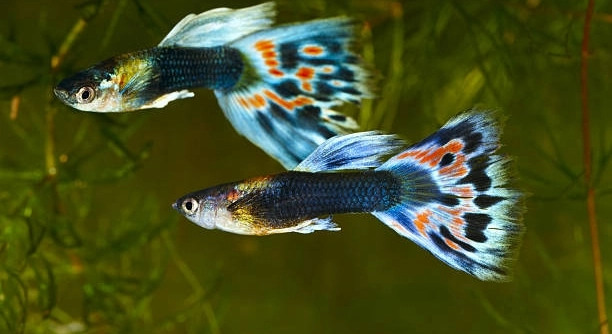
Overfeeding guppies can be a common issue for many fish owners. While it might seem harmless, it can actually cause a variety of problems for your fish and their environment. Understanding the signs is essential for their health.
Overfeeding guppies leads to excess food that remains in the tank, decomposing and polluting the water. This can create an imbalance in the aquarium’s ecosystem, leading to poor water quality and stressed fish, potentially causing health issues.
Knowing the signs of overfeeding can help prevent these issues and ensure your guppy stays healthy. Keep reading to discover how to keep your fish thriving.
1. Your Guppy Is Hanging at the Top of the Tank
When guppies are overfed, they often swim at the top of the tank, searching for air. This is a sign of poor water quality caused by excess food. The decomposing food particles increase the nitrate levels, which can cause your guppy to feel stressed and uncomfortable.
At the surface, guppies may appear more lethargic or disoriented. This can lead to them being less active, affecting their overall health. Overfeeding also puts extra strain on your filtration system, making it harder to keep the water clean. If you notice this behavior, it’s important to review your feeding habits and adjust accordingly.
To remedy this, try feeding smaller amounts more frequently. It’s always better to underfeed slightly than overfeed. This helps to maintain healthy water conditions and keeps your guppy active and happy. Consider a routine of cleaning the tank more often to keep the environment fresh.
2. Uneaten Food Accumulating at the Bottom
Leftover food sinking to the bottom of the tank is a clear sign of overfeeding. This food decomposes and pollutes the water.
If food remains in the tank for too long, it will start to break down, leading to a spike in ammonia and nitrates. This can result in poor water quality, which affects your guppy’s health and the overall aquarium environment. To avoid this, monitor your feeding portions and remove uneaten food promptly. You can also consider adjusting the frequency of feeding to match your guppy’s needs.
A cleaner, healthier tank ensures your guppy will thrive and live a long, vibrant life. Keeping food intake in check will prevent water contamination and maintain a safe habitat for your fish.
3. Your Guppy’s Belly Looks Swollen
A swollen belly in your guppy is a common sign of overfeeding. The excess food causes bloating, which makes your fish appear puffed up. Over time, this can lead to digestive issues, making it harder for your guppy to process food properly.
A bloated guppy may not swim as easily, and you might notice a decrease in activity. The swollen belly could also be a sign of constipation or a build-up of uneaten food. It’s important to adjust your feeding schedule and portion size to prevent further discomfort. Ensure the food you provide is being eaten quickly to prevent accumulation in the tank.
If the swelling continues or worsens, it could indicate more severe health problems. Consider fasting your guppy for a day or two, then slowly reintroduce smaller amounts of food. Proper portion control will keep your guppy comfortable and healthy.
4. Your Guppy Shows Less Interest in Food
Overfed guppies may lose their appetite or show less interest in eating. This happens because their stomachs are already full, and they don’t feel the need to eat. It’s essential to recognize this behavior as it can impact your guppy’s feeding routine and overall health.
If your guppy is eating less, it could also be a sign that it’s become accustomed to constant feeding. It’s crucial to let your guppy’s digestive system rest. Reducing the amount of food offered at regular intervals will encourage healthy feeding habits and allow your guppy to maintain a proper feeding cycle.
Monitoring how much your guppy eats is essential for balancing their health. Over time, feeding less will help prevent overfeeding and ensure your fish stays active and healthy.
5. Excessive Waste in the Tank
Excessive waste in the tank often follows overfeeding. When you feed too much, uneaten food breaks down into waste, leading to higher levels of toxins in the water. This creates an unhealthy environment for your guppy, making it harder to maintain water quality.
The presence of excess waste indicates a problem with your feeding schedule. The more waste, the more effort required to keep the tank clean. A build-up of toxins such as ammonia and nitrites can cause stress and even illness in your guppy. Reducing the amount of food and cleaning more often will help prevent this issue.
Regular tank maintenance is key to managing waste and ensuring your guppy stays healthy. Try feeding smaller portions to limit waste production and keep the water cleaner for longer.
6. Your Guppy Becomes Lethargic
Lethargy in guppies is a common result of overfeeding. When a guppy eats too much, it often becomes sluggish due to the extra energy needed to digest large amounts of food. This can lead to a noticeable decrease in activity.
A guppy that eats too much may become inactive or float near the surface. They may also swim less, which can cause them to miss out on socializing or exploring their tank. This lack of movement is not only concerning but can affect the overall health of your guppy. A more active fish is typically a healthier fish.
To combat lethargy, focus on feeding in smaller portions and ensure your guppy has enough room to move around freely in the tank.
7. Water Quality Declines
Overfeeding leads to poor water quality. As uneaten food breaks down, it increases the levels of ammonia and nitrates in the tank. These toxins can stress your guppy and other fish, leading to various health problems. Regular water changes and cleaning help maintain a healthy environment.
FAQ
How often should I feed my guppy?
Guppies should be fed small amounts once or twice a day. Overfeeding can lead to problems, such as bloating or poor water quality. Offer enough food that your guppy can eat within 2-3 minutes. If any food is left over, it’s best to remove it to avoid waste buildup in the tank.
What happens if I feed my guppy too much?
Feeding your guppy too much can lead to bloating, digestive issues, and lethargy. Over time, it can also harm the water quality, as excess food decomposes into waste. This can stress your guppy, decrease its lifespan, and create an unhealthy environment for other fish.
How can I tell if my guppy is overfed?
Signs of overfeeding include a bloated belly, lethargy, and uneaten food accumulating at the bottom of the tank. If your guppy becomes less active and spends more time at the surface, it could be a sign of overfeeding and poor water conditions.
What kind of food should I feed my guppy?
Guppies thrive on a balanced diet of high-quality flake or pellet food. You can also supplement their diet with live or frozen foods like brine shrimp or daphnia. Be sure to adjust the type and amount of food based on your guppy’s size and activity level.
Can I feed my guppy only once a day?
Feeding your guppy once a day is generally fine, as long as you offer an appropriate amount of food. Guppies can go without food for longer periods, but overfeeding is the real concern. A well-timed feeding routine helps keep your guppy healthy.
What is the best way to avoid overfeeding?
To avoid overfeeding, monitor how much your guppy eats at each feeding. Only offer enough food for them to consume in 2-3 minutes. Regularly observe your guppy’s eating habits and make adjustments based on how much food they leave behind.
How do I clean up uneaten food in the tank?
If your guppy leaves uneaten food, remove it with a small net or siphon. This helps prevent the food from decomposing and affecting water quality. Be sure to clean the tank regularly to keep the environment safe for your guppy and any other fish in the tank.
Can overfeeding affect the water quality?
Yes, overfeeding can significantly impact water quality. Uneaten food decomposes and releases ammonia and other toxins, which can lower oxygen levels and harm your guppy. This can cause stress and lead to health issues for your fish. Regular water changes and cleaning are essential.
How do I know if my guppy is underfed?
An underfed guppy will typically swim more actively in search of food. You may notice a decrease in size or duller colors over time. If your guppy seems constantly hungry and aggressively searching for food, it could be a sign they’re not getting enough nutrition.
Should I fast my guppy occasionally?
Fasting a guppy for a day or two occasionally can be helpful, especially if they show signs of overfeeding. It gives their digestive system a chance to rest and can improve their overall health. However, do not fast for extended periods as it may harm the fish.
Can I feed my guppy different types of food?
Yes, guppies benefit from a varied diet. You can feed them a mix of high-quality pellets, flakes, and occasional live or frozen food. This ensures they get a range of nutrients. However, always monitor how much food is being eaten and adjust portions accordingly.
Why does my guppy swim at the surface after feeding?
Guppies that swim at the surface after eating could be showing signs of overfeeding or poor water quality. Excess food decomposes into toxins, which can cause stress. If this happens often, it’s time to adjust their feeding schedule or portion size and clean the tank more regularly.
How can I improve my guppy’s diet?
Offer a variety of foods, including high-quality flakes, pellets, and occasional treats like brine shrimp or daphnia. You can also supplement with vegetables like spinach or zucchini. A diverse diet will keep your guppy healthy and active.
Can overfeeding cause long-term health problems?
Yes, overfeeding can lead to long-term health problems for your guppy. It can cause obesity, digestive issues, and even shorten their lifespan. Over time, the poor water quality caused by uneaten food can also stress the fish, leading to weakened immunity and susceptibility to disease.
What’s the best tank temperature for guppies?
Guppies prefer a water temperature between 72°F and 82°F (22°C and 28°C). Keeping the tank within this range ensures they remain active and healthy. Extreme temperature fluctuations can cause stress and affect their appetite, making them more susceptible to health problems.
Can my guppy overeat even with the right portions?
While it’s rare for a guppy to overeat with the right portions, they may still eat more if given access to food too often. It’s important to establish a feeding routine and stick to it. This helps ensure your guppy isn’t eating out of boredom or habit.
How often should I clean my guppy’s tank?
You should clean your guppy’s tank once a week, performing partial water changes of around 25-30%. This helps keep the water fresh and reduces the accumulation of waste. If you overfeed your guppy, you may need to clean more frequently to prevent water quality issues.
What size tank is best for guppies?
A 10-gallon tank is the minimum recommended size for guppies. A larger tank helps maintain better water quality and provides more space for your fish to swim and explore. A spacious tank also allows for more stable water conditions, reducing stress for your guppy.
Final Thoughts
Overfeeding your guppy can create a number of issues that affect its health and the quality of the tank environment. It’s easy to be generous with feeding, especially since guppies seem to enjoy eating, but it’s important to stick to the right portions. Offering smaller amounts of food, a couple of times a day, helps ensure your guppy stays healthy and active. Overfeeding not only leads to physical problems like bloating and lethargy, but it also contributes to poor water quality, which can negatively impact the entire tank.
To avoid overfeeding, it’s essential to establish a feeding routine. Monitor how much your guppy eats and remove any uneaten food after a few minutes. This prevents food from decomposing and causing harm to the water. Regular water changes and cleaning are also crucial for maintaining a healthy environment. If you notice signs of overfeeding, such as bloating or lethargy, make adjustments to your feeding habits right away. Maintaining a balanced diet and monitoring food intake ensures your guppy has the best chance at a long and healthy life.
Remember that every guppy is different. Some might need slightly more food than others depending on their activity levels or size, so always be attentive to their behavior and adjust accordingly. Avoid the temptation to feed more than necessary, as it’s easy to think more food equals a healthier fish. In reality, a consistent, properly portioned feeding schedule combined with a clean tank will keep your guppy happy and thriving. The key to success is moderation and paying close attention to your guppy’s needs.

Hello,
If you enjoy the content that we create, please consider saying a "Thank You!" by leaving a tip.
Every little bit helps us continue crafting quality advice that supports the health, happiness, and well-being of pets around the world, for pets of all shapes, sizes, and species.
We really appreciate the kindness and support that you show us!