
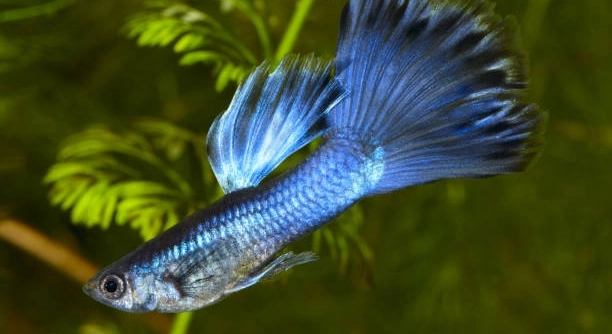
Guppies are one of the most popular aquarium fish, known for their colorful displays and active swimming patterns. If you’ve observed your guppies swimming in circles, you may have wondered what causes this behavior.
Guppies swim in circles for several reasons, including stress, lack of space, or environmental factors like water quality or temperature. This behavior is sometimes also a sign of boredom or illness, and may require intervention.
There are various factors at play when guppies swim in circles. Understanding their environment and needs will help you identify why this is happening and how to provide them with a better, healthier habitat.
Stress and Anxiety Can Affect Their Behavior
Guppies, like many fish, can get stressed out by changes in their environment. Stress can make them swim in circles. Common triggers include sudden changes in water temperature, new tank mates, or too much noise around their tank. When guppies feel stressed, they may act unusually by swimming in repetitive circles. It’s their way of trying to find stability or comfort, but it can lead to exhaustion or further distress.
Stress affects guppies more than we might think. Their small size and delicate nature make them sensitive to these changes. To prevent stress, it’s important to keep their environment consistent, offering a peaceful setting and avoiding sudden disturbances.
Sometimes, adding plants or hiding spots can help create a more comfortable environment for them. These additions allow the guppies to retreat and feel secure. Without such spaces, they may feel exposed and react by swimming erratically. A calm and well-planted tank reduces the likelihood of this stress-driven behavior.
Water Quality Plays a Big Role
Water quality directly impacts a guppy’s health and behavior.
Poor water quality can lead to irritability and unusual behavior. High levels of ammonia, nitrites, or even inconsistent pH levels can cause your guppies to swim in circles. Regular water changes and using a reliable filter can prevent these issues.
A consistent, clean environment is key to keeping guppies healthy. High levels of toxins in the water make them feel uncomfortable and may lead to repetitive swimming behaviors. Ensuring a balanced, well-maintained tank encourages peaceful and healthy swimming patterns. Regular water testing ensures that your guppies are not exposed to harmful levels of contaminants.
Lack of Space Can Lead to Circle Swimming
Guppies need plenty of room to swim freely. If they are kept in a tank that is too small, they may become stressed and swim in circles.
In a cramped environment, guppies have less room to explore, which can cause frustration. When there isn’t enough space, they are forced to swim in repetitive patterns, trying to find more space. This behavior can also be a sign of boredom, as they have little to stimulate them. A larger tank offers more space to swim and reduces these circular swimming patterns.
To prevent this, make sure your guppies have ample space. A tank of at least 10 gallons is ideal for a small group of guppies. This allows them to feel comfortable and reduces the chances of them swimming in circles due to overcrowding.
Illness and Disease Can Cause Erratic Swimming
Swimming in circles can be a symptom of illness or disease.
When guppies are sick, they often display abnormal behavior. Swim bladder disease, parasites, or other infections can cause them to swim erratically or in circles. Infected guppies may struggle to maintain normal swimming patterns due to physical discomfort. It’s important to watch for other signs of illness, like faded colors or loss of appetite.
If you notice any unusual behavior along with physical symptoms, it may be time to treat your guppies. Isolating sick fish and seeking appropriate treatment can help restore their health. Medications designed for aquarium fish can be used, but always follow the instructions carefully. The sooner you address health issues, the better the outcome for your fish.
Boredom and Lack of Stimulation
Guppies need mental stimulation to stay healthy. Without enough to do, they may swim in circles out of boredom.
In a tank with no decorations or changes, guppies may not have anything to engage them. Without plants, caves, or moving objects, they can become repetitive in their swimming. Adding items like plants, decorations, or even a small current from a filter can help break the monotony.
Overfeeding and Tank Cleanup
Overfeeding can lead to poor water conditions, affecting their behavior.
Uneaten food can decay in the tank, causing toxins to build up and affect the water quality. This poor water quality can lead to stress, causing guppies to swim in circles. Always be mindful of how much food you give your guppies, and remove any uneaten food to keep the water clean.
The Role of Tankmates in Behavior
Having the right tankmates is important for guppies.
Aggressive or overly active fish may stress your guppies and cause them to swim in circles. If your guppies are constantly being chased or harassed, it can make them feel trapped and anxious. It’s essential to choose peaceful tankmates that won’t disrupt their environment.
FAQ
Why do my guppies swim in circles?
Guppies swim in circles for several reasons, including stress, lack of space, poor water quality, or illness. When guppies feel stressed or uncomfortable, they may engage in repetitive behavior, like swimming in circles, as a way to cope with their environment. It can also be a sign that something is wrong with the tank, such as overcrowding, too many tankmates, or poor water conditions. Monitoring the water quality, giving your guppies enough space to swim, and ensuring they are not sick will help reduce this behavior.
Can overfeeding cause guppies to swim in circles?
Yes, overfeeding can lead to uneaten food decaying in the tank, causing water quality to decline. Poor water quality from leftover food can stress your guppies, making them swim in circles. Additionally, overfeeding can lead to obesity in guppies, further causing discomfort and strange swimming patterns. It’s important to feed them the right amount and remove any excess food to maintain a healthy environment.
What does it mean when guppies swim in tight circles?
Swimming in tight circles may indicate that your guppies are stressed or sick. If your guppies swim in a small, repetitive pattern, it could be due to poor water conditions, such as high levels of ammonia or nitrites. It may also be a sign of a swim bladder issue or an infection affecting their movement. If the behavior persists, check the water quality and look for other signs of illness, such as loss of appetite or faded colors.
How can I help my guppies stop swimming in circles?
To help your guppies stop swimming in circles, start by improving their environment. Ensure they have plenty of space, a clean tank, and the right water conditions. Make sure the tank is large enough (at least 10 gallons for a small group) and has hiding spots, plants, or decorations for stimulation. Regularly test the water for toxins, change the water often, and make sure the temperature is appropriate. Lastly, check for signs of illness or aggression from tankmates. If needed, treat any health issues promptly.
Are there any diseases that cause guppies to swim in circles?
Yes, some diseases can cause guppies to swim in circles. Swim bladder disease, which affects the fish’s ability to control its buoyancy, is one common issue. This condition can cause abnormal swimming patterns, including swimming in circles or floating upside down. Other illnesses, such as parasites or bacterial infections, can also cause erratic swimming. If your guppies are swimming in circles and showing other signs of illness, like loss of appetite, fading color, or abnormal posture, it’s important to treat the problem quickly with appropriate medication.
Can poor water conditions make guppies swim in circles?
Poor water quality is one of the most common reasons for guppies to swim in circles. High ammonia, nitrites, or low oxygen levels in the water can make guppies feel stressed or uncomfortable, leading them to swim erratically. Guppies are sensitive to water changes, so it’s essential to test the water regularly and maintain the correct parameters. Regular water changes and using a good filtration system will help keep the water clean and prevent this behavior.
Do guppies need other fish to prevent swimming in circles?
While guppies don’t necessarily need other fish to thrive, they do benefit from companionship. Guppies are social creatures and prefer the company of other guppies or peaceful fish. A lack of social interaction can cause them to become stressed, which may lead to abnormal swimming patterns, including circles. However, it’s important to ensure that the tank isn’t overcrowded and that all fish are compatible. If you’re keeping guppies alone, make sure they have plenty of enrichment, such as plants and hiding spots, to keep them stimulated.
What can I do if my guppy keeps swimming in circles after I’ve addressed the environment?
If your guppy continues swimming in circles despite addressing environmental factors, it’s time to check for health issues. Illness, such as swim bladder disease or an internal parasite, could be the cause. Look for other symptoms like bloating, difficulty swimming, or unusual behavior. If you suspect illness, isolate the sick fish and consult an aquarium vet or treat the fish with appropriate medication. Make sure that the water conditions are still optimal and that your guppy is not stressed by any other factors.
Can swimming in circles be a sign of boredom?
Yes, boredom can make guppies swim in circles. Guppies are active fish and need mental stimulation to stay healthy. If there are no plants, decorations, or areas for them to explore in their tank, they may resort to swimming in repetitive circles as a way to relieve boredom. Adding plants, caves, or moving decorations can help keep them entertained and reduce circular swimming. Changing the tank layout from time to time can also provide a fresh environment for your guppies.
How long can guppies swim in circles before it becomes harmful?
If guppies are swimming in circles for an extended period, it can become harmful. Prolonged stress from poor water quality, overcrowding, or illness can weaken their immune system and make them more susceptible to diseases. Additionally, constant circular swimming can exhaust them, leading to further health problems. It’s essential to identify the cause of the behavior and correct it quickly to prevent long-term harm. Ensure that the tank conditions are stable and address any health issues promptly.
Final Thoughts
Guppies are wonderful and active fish that can bring a lot of life to any aquarium. However, when you notice them swimming in circles, it’s important to take action to understand why this behavior is happening. There are several possible causes, from stress and illness to water quality issues or even boredom. Recognizing the signs early and addressing the problem can help your guppies return to their usual, happy swimming patterns. The key is to observe their behavior and environment carefully.
The first step in solving the problem is ensuring that the tank is set up correctly. Guppies need space, clean water, and proper tankmates to thrive. Keeping their water conditions stable is essential. Test the water regularly for ammonia, nitrites, and pH levels to prevent stress caused by poor water quality. Adding decorations, plants, or hiding spots can make the tank more enjoyable for your guppies, reducing the likelihood of them swimming in circles out of boredom. If you find signs of illness, it’s best to treat the affected fish quickly to prevent it from spreading.
In the end, understanding your guppies’ needs and paying attention to their health is the best way to ensure they stay active and happy. A calm, clean, and well-maintained tank will make a world of difference. If your guppies continue to swim in circles despite changes to their environment, it may be worth consulting an expert or aquarium vet. With the right care, your guppies should return to their natural, lively selves and bring joy to your home for a long time.

Hello,
If you enjoy the content that we create, please consider saying a "Thank You!" by leaving a tip.
Every little bit helps us continue crafting quality advice that supports the health, happiness, and well-being of pets around the world, for pets of all shapes, sizes, and species.
We really appreciate the kindness and support that you show us!