
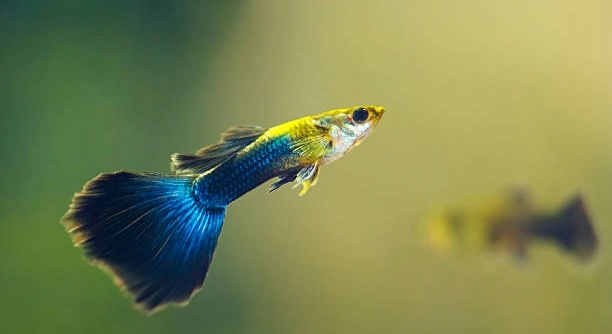
Guppies are popular aquarium fish, known for their colorful appearance and peaceful nature. Many owners want to understand their preferences better, especially when it comes to water conditions. Knowing how they thrive can improve their well-being.
Guppies prefer calm water because it reduces stress and allows them to swim freely without struggling against strong currents. In their natural habitat, calm waters are more common, providing a safe environment for feeding and socializing.
The calmer the water, the healthier your guppies will be. By understanding their needs, you can create an ideal environment for them to flourish.
Guppies and Water Movement
Guppies are delicate creatures that prefer calm water environments. Strong currents or high water movement can stress them, making them feel unsafe. In their natural habitat, guppies live in slow-moving streams or ponds, where the water is less turbulent. This calmness allows them to swim at a comfortable pace, search for food, and interact with other fish without feeling overwhelmed. When the water is too turbulent, guppies can struggle to find stable spots to rest or feed, which may affect their health over time.
A stable, calm environment is essential for guppy well-being. It helps them feel secure and reduces the chances of stress-related illnesses. The best way to achieve this in an aquarium is by using a filter with adjustable flow settings.
To maintain calm water in your tank, ensure that the filter doesn’t create strong currents. Opt for gentle water circulation, especially if you have a smaller tank. You can also add plants or decorations that break up the water flow, providing areas of shelter and calmness for the guppies. This will mimic their natural environment, making them feel more at ease. It’s important to check water quality frequently to avoid any sudden changes that could stress your fish. By creating a peaceful environment, you ensure that your guppies will thrive and remain healthy for longer periods.
Water Temperature Matters
Water temperature plays a major role in guppy comfort. Guppies are tropical fish, and they thrive in temperatures between 72°F and 78°F. If the water becomes too warm or too cold, they may become stressed and less active. The right temperature helps them regulate their metabolic processes, ensuring they stay healthy.
Keeping the water in the right range will also prevent diseases that may arise from temperature fluctuations. Stability is key for your guppy’s health. Consider investing in a reliable aquarium heater to maintain the perfect temperature.
Stress and Guppy Health
Stress in guppies can be triggered by many factors, but water movement is one of the most significant. A chaotic environment leads to anxiety, which weakens their immune systems. This leaves them more susceptible to diseases, affecting their overall well-being.
When guppies are constantly exposed to strong currents, their body expends unnecessary energy trying to stay afloat. This added strain can result in a shorter lifespan. Stress also causes a decrease in feeding, meaning guppies aren’t getting the nutrition they need. To reduce stress, aim for gentle water movement, with spots of calmness where they can rest.
If you notice your guppies are swimming erratically or staying near the tank’s surface, it could be a sign they are stressed due to water movement. Ensuring that your filter flow is set low and adding aquatic plants or decorations to break up the current can create safe havens. A calm environment can bring peace to your guppies, allowing them to thrive and feel secure.
Feeding and Water Movement
Water movement directly impacts how your guppies feed. In a turbulent tank, food can be swept away, making it difficult for your fish to find and eat it. Guppies rely on their senses to locate food, and strong currents disrupt this process.
To avoid overfeeding or underfeeding, provide food in areas where the water flow is gentler. You can also try using slow-release food or spread the food across the tank to ensure it doesn’t get pushed to one spot. By making these adjustments, you allow your guppies to enjoy their meals without added stress.
Tank Size and Water Movement
The size of your tank influences the water movement. Smaller tanks tend to have stronger currents, which may not be ideal for guppies. In larger tanks, water movement can be more evenly spread out, allowing guppies to have areas of calm water.
It’s important to match the water flow to the tank size. In smaller tanks, use a low-flow filter to avoid excessive turbulence. In larger tanks, you can use a stronger filter but balance it with plants or decorations to help break the flow into calmer areas.
Tank Decorations and Water Flow
Adding plants and rocks to your tank can help manage water flow. They create natural barriers that disrupt strong currents, giving your guppies spots to rest and swim comfortably. Properly placed decorations can mimic a peaceful environment.
By adding more plants or structures in the right spots, you can further slow down the water movement in key areas. This will provide your guppies with safe spots, keeping them comfortable without the constant pressure of strong currents.
FAQ
Do guppies like fast or slow water movement?
Guppies prefer slow, gentle water movement. In nature, they live in calm streams and ponds where the water doesn’t rush. Too much current can stress them, making it harder for them to swim, rest, and feed. Keeping water flow slow helps guppies feel more comfortable and secure in their environment.
How can I reduce water movement in my aquarium?
To reduce water movement, use a filter with an adjustable flow setting. This allows you to control the strength of the current. Adding plants or decorations can also help by breaking up the flow and providing calm areas. Ensure that the filter doesn’t create strong currents that make it hard for your guppies to swim peacefully.
Is it okay to have a filter with a high flow rate for guppies?
While it is possible to use a filter with a high flow rate, it’s not ideal for guppies. High flow rates can create strong currents that cause stress. If you use a high-flow filter, position it carefully and add decorations to help reduce the impact of the current. You can also look for filters designed for smaller tanks with adjustable flow.
Can guppies adapt to fast water currents?
Guppies may try to adapt to faster water currents, but this can take a toll on their health. Over time, prolonged exposure to strong currents can cause exhaustion, stress, and weakened immune systems. It’s better to keep their environment calm to support their natural behavior and longevity.
Do guppies need oxygenated water?
Yes, guppies require oxygenated water to thrive. While calm water is preferred, the water should still be well-oxygenated. Ensure the tank is properly aerated using air stones or a filter that encourages water movement at the surface. This provides the necessary oxygen levels for guppies without creating stressful currents.
How does water temperature affect guppies’ preference for calm water?
Water temperature plays a significant role in guppy health. Guppies are tropical fish, and they prefer temperatures between 72°F and 78°F. If the temperature is too cold or too warm, guppies can become stressed, even if the water is calm. It’s important to maintain stable, warm water that suits their tropical nature.
Do guppies need to swim constantly in calm water?
Guppies are naturally active and swim a lot, but they don’t need to swim constantly in calm water. With reduced water movement, they can rest or swim at a comfortable pace. In turbulent water, they often struggle to find stable areas to rest, which leads to exhaustion and stress.
How can I tell if my guppies are stressed by water movement?
If your guppies are stressed by water movement, they may exhibit signs like erratic swimming, staying near the surface, or avoiding certain parts of the tank. You might also notice a decrease in their feeding habits. If this occurs, check the filter and water flow, adjusting it to make the environment more peaceful.
Can I use a powerful filter with guppies if the tank is large?
In larger tanks, you can use a more powerful filter, but it’s important to ensure the water flow isn’t too intense. Even in a larger tank, the current can cause stress. By placing decorations and plants strategically, you can create calm zones for the guppies to swim and rest comfortably.
Why do guppies seem to avoid certain areas of the tank?
Guppies may avoid certain areas of the tank if the water flow is too strong or if there are areas with high turbulence. They are drawn to calmer areas where they feel more secure. Ensure that the flow is spread out and that you provide shelter or plants to break up the current.
Final Thoughts
Understanding your guppies’ preference for calm water is essential for their health and well-being. These small, peaceful fish thrive in environments that are not overly turbulent. Too much water movement can stress them, affecting their immune system and overall happiness. When setting up your tank, it’s important to consider the water flow and make adjustments as needed to create a more comfortable environment for your guppies. By ensuring the water is gentle, you help them feel secure, reducing the chances of illness and stress-related behavior.
Keeping water conditions stable is crucial for guppies. While they need calm water, they also require proper oxygenation and the right temperature to thrive. So, it’s important to balance low water flow with adequate filtration to keep the water clean and healthy. You don’t need to overcomplicate things; just make sure your filter isn’t causing too much disturbance, and introduce plants or decorations to break up any stronger currents. This will mimic their natural environment and encourage them to behave naturally.
Ultimately, caring for guppies involves more than just feeding and maintaining water quality. Their need for calm water plays a significant role in their overall well-being. By providing them with a peaceful, stable environment, you’re giving them the best chance to live a long, happy life in your aquarium. Even small adjustments, such as reducing the filter flow or adding decorations, can have a big impact. With a little attention to their needs, you’ll ensure your guppies feel at ease and can thrive in their home.

Hello,
If you enjoy the content that we create, please consider saying a "Thank You!" by leaving a tip.
Every little bit helps us continue crafting quality advice that supports the health, happiness, and well-being of pets around the world, for pets of all shapes, sizes, and species.
We really appreciate the kindness and support that you show us!