
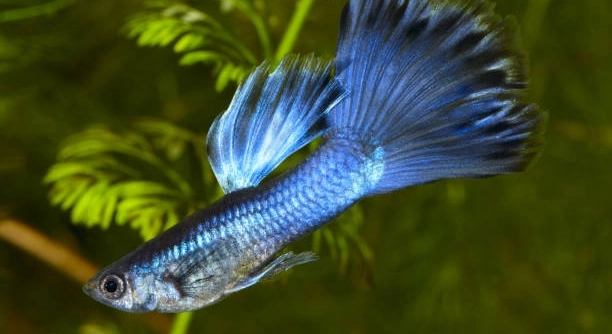
Guppy fry are delicate creatures that need special care during their early stages of life. It can be alarming when they float lifelessly in the water. Understanding the causes can help ensure they thrive and grow healthy.
The main reasons guppy fry float lifelessly include poor water quality, insufficient food, sudden temperature changes, or potential infections. In some cases, deformities or overbreeding may also cause issues. Identifying these causes is crucial for preventing further harm.
Taking the right steps early can make a huge difference in the health of your guppy fry. By examining key factors like water conditions and nutrition, you can help them survive and grow strong.
Poor Water Quality
Water quality is a crucial factor in the survival of guppy fry. If the water is dirty or contains high levels of ammonia, nitrites, or nitrates, it can harm the fry’s delicate systems. The tiny guppy fry are highly sensitive to changes in water chemistry. Even small fluctuations in the pH or hardness of the water can cause stress and lead to lifeless floating. The fry might also suffer from difficulty breathing or exhibit abnormal swimming behavior if the water isn’t clean.
You should change the water regularly to maintain a healthy environment. Clean, dechlorinated water provides the best conditions for growth.
A proper filtration system is essential to keep toxins at bay. The filter should be gentle enough not to harm the fry but efficient enough to remove debris and waste. Testing the water with a reliable kit will help you keep track of harmful levels and adjust them accordingly. A stable and clean aquatic environment is key to ensuring the fry thrive and don’t float lifelessly.
Inadequate Feeding
Feeding your guppy fry the right food is just as important as water quality. If they aren’t getting enough nutrition, they can become weak, float lifelessly, or even die. Guppy fry need food with the right balance of nutrients to grow strong. If you’re offering inappropriate or insufficient food, it will stunt their development and make them vulnerable to health issues.
They require a specialized diet, especially in the first few weeks. You should feed them high-quality fry food, like infusoria, or finely crushed flake food. These provide the nutrients they need in the right form.
Overfeeding, however, can also lead to water quality issues, as uneaten food will pollute the tank. It’s important to find the right balance and feed small amounts throughout the day. This will ensure your fry are healthy and not floating lifelessly due to malnutrition.
Temperature Fluctuations
Guppy fry are sensitive to temperature changes. If the water is too cold or too hot, it can lead to stress and make the fry float lifelessly. Consistent water temperature is key. Sudden shifts can cause their metabolism to slow down or become erratic.
You should aim for a water temperature between 76°F and 80°F (24°C and 27°C). A heater can help maintain stability in the tank, especially in colder rooms.
Temperature fluctuations can also stress the fry, making them more prone to diseases and deformities. Using a thermometer in the tank allows you to monitor the water constantly. Maintaining the proper temperature helps ensure the fry remain active and healthy.
Poor Genetics
Sometimes, guppy fry can inherit weak genetics, making them more prone to health issues, including lifeless floating. Overbreeding or inbreeding can lead to genetic defects that affect the fry’s ability to swim properly or survive. These defects are often invisible until the fry are older and begin to show symptoms.
While some guppy fry may appear normal at first, they might develop issues as they grow. Weak or deformed fry will have trouble feeding or keeping up with the rest of the group.
Breeding guppies selectively and avoiding inbreeding will improve the chances of healthier fry. By focusing on quality genetics, you can reduce the risk of abnormal fry and improve the overall health of the next generation.
Overcrowding
Overcrowding can lead to stress and poor water conditions, which can make guppy fry float lifelessly. When too many fry are in a tank, waste builds up quickly, and the fry can’t get enough oxygen or space to grow properly.
To avoid overcrowding, you should provide enough space for each fry to swim freely. This also reduces the likelihood of stress-related health issues.
A larger tank or separating the fry into smaller groups will help them thrive. Remember, a stressed environment can lead to weak, lifeless fry, so always manage tank space accordingly.
Infection or Disease
Infections and diseases are common causes of lifeless floating fry. Bacterial, fungal, or parasitic infections can affect the fry’s internal systems and make them lethargic. If left untreated, the fry will continue to deteriorate.
Keeping the water clean and maintaining optimal conditions will help prevent infections. If you notice any signs of disease, like lesions or unusual behavior, quarantine affected fry and treat them as soon as possible.
Early intervention is key to saving the rest of the fry and ensuring healthy development.
FAQ
Why are my guppy fry not swimming and floating lifelessly?
Fry that float lifelessly are usually dealing with issues related to water quality, temperature, or insufficient food. Poor water conditions can cause stress or hinder their ability to swim. Low oxygen levels or imbalanced pH may also affect their health. Additionally, if your fry are weak from malnutrition or poor genetics, they may float rather than swim actively. Ensuring clean water, stable temperatures, and proper nutrition is key to preventing these issues.
How do I prevent my guppy fry from floating lifelessly?
To prevent fry from floating lifelessly, maintain good water quality by doing regular water changes and ensuring proper filtration. Keep the water temperature between 76°F and 80°F (24°C and 27°C) to avoid fluctuations. Make sure the fry are being fed small amounts of high-quality food several times a day. Lastly, avoid overcrowding, which can stress the fry and cause health problems.
What should I feed my guppy fry to keep them healthy?
Guppy fry need food that is high in protein and easy to digest. You can start with infusoria or specially formulated fry food. As they grow, they can transition to finely crushed flake food or baby brine shrimp. It’s important to feed them small portions multiple times a day, as overfeeding can cause water quality issues.
How can I tell if my guppy fry have a disease?
Look for signs like unusual swimming patterns, such as floating lifelessly or sinking to the bottom. If the fry have visible lesions, cloudy eyes, or a discolored body, they may be sick. Keep an eye on the water quality, as poor conditions can often lead to infections. Quarantine any fry that appear sick and treat them with the appropriate medication.
Can genetics affect the health of my guppy fry?
Yes, weak or poor genetics can result in deformities or health issues in guppy fry. Inbreeding or overbreeding can cause genetic problems, leading to weak, floaty fry that are unable to thrive. Selective breeding, ensuring genetic diversity, and monitoring the health of your breeding stock will reduce the risk of passing on these issues.
What are the signs of poor water quality affecting guppy fry?
Poor water quality often shows through changes in behavior, like the fry swimming erratically or staying near the surface. If the fry appear weak, disoriented, or are floating lifelessly, it could be a sign of high ammonia or nitrite levels. Water tests will help you monitor levels and maintain a safe environment for your fry.
How often should I change the water for my guppy fry?
It’s important to do small water changes frequently, around 20-30% every 2-3 days, to maintain optimal water quality. Regular changes help keep toxins in check and provide the fry with clean water. If the fry are showing signs of distress, more frequent changes may be necessary. Always use dechlorinated water to avoid harming the fry.
Is it normal for guppy fry to float on their sides?
Guppy fry occasionally float on their sides if they are feeling unwell or if there are issues with the water quality. Infections or poor water conditions can make it hard for them to swim properly. If this behavior continues, it’s best to isolate the fry, check the water quality, and treat any possible diseases.
Can stress cause guppy fry to float lifelessly?
Yes, stress is a common cause of fry floating lifelessly. Overcrowding, sudden temperature changes, poor water quality, and aggressive tank mates can all lead to stress. When guppy fry are stressed, they may appear weak and float on the surface. Minimizing stress factors in the tank environment is crucial for their health and survival.
How can I tell if my guppy fry are malnourished?
Malnourished fry may appear weak, float lifelessly, or fail to grow properly. They might also have trouble competing for food or showing little interest in feeding. If they are consistently smaller than others or look emaciated, they could be malnourished. Make sure you’re feeding small, nutritious meals throughout the day to ensure they get the right amount of food.
What is the best water temperature for guppy fry?
The ideal water temperature for guppy fry is between 76°F and 80°F (24°C to 27°C). Maintaining a stable temperature within this range helps promote healthy growth and reduces the risk of stress-related issues. If the temperature is too low or high, it can lead to lethargy, floating, or even death.
How do I prevent overfeeding my guppy fry?
To avoid overfeeding, only give small amounts of food at a time. If there is leftover food in the tank, it should be removed to prevent contamination. Guppy fry typically need to eat multiple times a day, but offering small portions each time is key to maintaining water quality and keeping them healthy.
Can I use a filter in the fry tank?
Yes, using a filter is essential for maintaining good water quality. However, make sure the filter has a gentle flow to avoid sucking up the fry. You can use sponge filters, which provide efficient filtration without harming the delicate fry. Regular maintenance of the filter will also help keep the tank clean.
What should I do if I suspect my fry have a genetic defect?
If you notice fry that are consistently weak, deformed, or unable to thrive, it may be a result of genetic defects. It’s important to remove these fry from the main tank to prevent them from suffering further. To avoid this in future batches, ensure you’re breeding healthy guppies with good genetics and avoid inbreeding.
Final Thoughts
Caring for guppy fry requires attention to detail and consistency. When you notice fry floating lifelessly, it’s often a sign of underlying issues, whether it’s poor water quality, improper feeding, or temperature fluctuations. By identifying the root cause early, you can take the right steps to address it and provide a better environment for the fry. Maintaining clean water, feeding them the right foods, and managing the temperature will give them the best chance to grow healthy and strong. Regular tank maintenance, like water changes and checking for any signs of stress or disease, is essential to their well-being.
In addition to environmental factors, genetics play a significant role in the health of your guppy fry. Overbreeding or inbreeding can lead to weak fry with genetic defects. By carefully selecting healthy parent fish, you can help ensure the survival of stronger, more resilient fry. While it’s natural to expect some losses when breeding fish, understanding these potential problems and taking steps to prevent them can improve the survival rate of your guppy fry. Healthy genetics combined with proper care makes a huge difference in the long-term success of your guppy breeding.
If you’re unsure about what’s causing the issues with your guppy fry, don’t hesitate to test the water regularly or consult with an aquarium expert. Every guppy fry deserves a chance to thrive, and by learning more about their specific needs, you’re giving them the best start in life. Remember, patience and proper care are key. As you gain experience and adjust your care routine, your guppy fry will have a much better chance of growing into healthy, vibrant adults.

Hello,
If you enjoy the content that we create, please consider saying a "Thank You!" by leaving a tip.
Every little bit helps us continue crafting quality advice that supports the health, happiness, and well-being of pets around the world, for pets of all shapes, sizes, and species.
We really appreciate the kindness and support that you show us!