
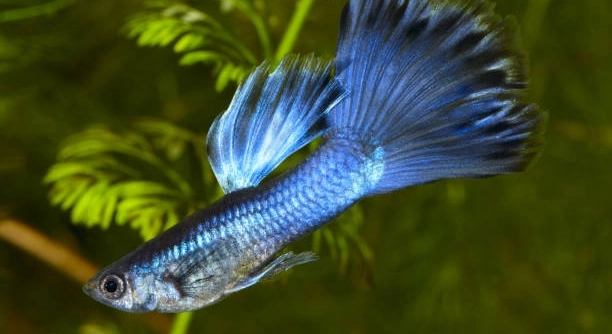
Guppies are popular aquarium fish known for their colorful appearance and lively behavior. However, it can be concerning when these small fish are constantly swimming at the surface of the tank. This behavior can have several explanations.
The most common reason why guppies stay at the surface is a lack of oxygen in the water. If the oxygen levels are low, guppies will instinctively swim near the surface to breathe more easily.
Understanding the reasons behind this behavior will help you ensure a healthier environment for your guppies. There are a few simple adjustments that can make a big difference.
Lack of Oxygen in the Tank
When the oxygen levels in your tank are insufficient, guppies will swim near the surface to access more oxygen. In an aquarium, oxygen can decrease due to factors like overcrowding, poor water movement, or an inadequate filtration system. Guppies, being active fish, need proper oxygenation for their well-being. Without enough oxygen, they become stressed and may struggle to breathe, which could even lead to health issues.
If you notice your guppies staying at the surface, it’s time to assess the water quality and oxygen levels. Improving water circulation with a better filter or adding an air pump can help. Increasing the tank’s surface area, such as adding floating plants, may also boost oxygen exchange.
This behavior can also signal the need for a water change. Over time, waste accumulation and stagnant water reduce oxygen levels. Keeping up with regular tank maintenance can keep oxygen levels stable and support a healthy environment for your fish.
Poor Water Quality
Water quality is critical for your guppies’ health. High levels of toxins, like ammonia or nitrates, can cause them to seek the surface for oxygen. These substances often build up in the tank when waste or leftover food decomposes. Keeping the water clean through regular changes is essential to avoid these problems.
Maintaining stable water conditions requires testing the tank regularly for ammonia, nitrites, and nitrates. If levels are too high, performing a partial water change can help reduce toxins. Proper filtration and careful monitoring of feeding habits can prevent these issues from recurring. Additionally, make sure that the filter is running smoothly and effectively. A malfunctioning filter can lead to waste buildup, further deteriorating water quality. Regular water checks ensure that your guppies remain in a comfortable and safe environment. This practice will help keep them away from the surface and maintain their overall health.
High Water Temperature
Guppies prefer a stable water temperature between 72°F and 82°F. If the water is too warm, they will seek cooler areas, often near the surface. Overheating can cause stress and disrupt their behavior. This problem is more common in small tanks with limited water volume.
To maintain a comfortable environment, use a reliable aquarium thermometer to monitor the water temperature. If the tank is getting too hot, try moving it to a cooler spot away from direct sunlight. Additionally, consider adding a cooling fan or an aquarium chiller if the temperature rises too high. Keeping the water temperature stable reduces the risk of surface-seeking behavior and keeps your guppies comfortable.
Overheating can lead to health issues in guppies. If the water temperature rises beyond 85°F, it may cause them to become lethargic or even die. To prevent this, avoid placing heaters too close to the tank and monitor the water temperature consistently. Keeping the water temperature in the optimal range is vital for your guppies’ overall health and well-being.
Stress from Overcrowding
Overcrowding is another reason guppies may stay near the surface. When there are too many fish in a tank, they may compete for space and oxygen. This can lead to stress, which pushes them to seek areas where they can breathe more easily.
If overcrowding is an issue, consider reducing the number of fish in the tank. A good rule of thumb is to have one inch of fish per gallon of water. This ensures each fish has enough space to swim comfortably. Additionally, adding plants or decorations can give your guppies more hiding places, helping reduce stress levels.
Stress affects more than just their behavior. It weakens their immune systems, making them more vulnerable to diseases. If you notice your guppies behaving erratically or staying at the surface, check the stocking levels in your tank. Reducing the number of fish or upgrading the tank size may provide the relief your guppies need.
Insufficient Filtration
A filter that’s too weak or malfunctioning can lead to poor water circulation. Without proper filtration, debris and waste can accumulate, causing the water to become dirty. This can force your guppies to swim near the surface, where the water is better oxygenated.
Regularly check your filter to ensure it’s working properly. If your filter isn’t strong enough for your tank size, consider upgrading to a more powerful model. A good filter helps maintain water clarity and provides a constant flow of oxygen, which reduces surface-seeking behavior in your guppies.
Ensuring the filter is cleaned and functioning at full capacity keeps the water quality high. A properly filtered tank also helps reduce the buildup of harmful chemicals and bacteria, maintaining a stable and safe environment for your guppies.
Lack of Food
When guppies are hungry, they may swim near the surface in search of food. If they are not being fed enough or at regular intervals, this can prompt them to focus on areas with the most activity, like the top of the tank.
Feeding your guppies twice a day, with a balanced diet, ensures they get enough nutrients. Overfeeding, on the other hand, can cause water pollution and lead to health issues. Provide just the right amount of food that they can consume in a few minutes.
Water pH Imbalance
A pH level that’s too high or low can cause guppies to seek surface water. Guppies prefer a pH between 6.8 and 7.8. If the water becomes too acidic or alkaline, it can stress the fish, forcing them to the surface.
Test the water regularly to keep the pH levels within the optimal range. Adjusting the pH can be done using special water conditioners or by adding buffering materials to the tank. Regular monitoring of pH ensures that your guppies stay healthy and less likely to exhibit surface-seeking behavior.
FAQ
Why are my guppies always swimming at the surface?
Guppies often swim at the surface due to a lack of oxygen, poor water quality, high water temperature, or overcrowding. These conditions can force your guppies to the surface in search of better oxygenation. Regular maintenance, such as water changes, proper filtration, and temperature control, can help prevent this.
How can I improve the oxygen levels for my guppies?
To improve oxygen levels, you can add an air pump or air stone to increase water movement. You can also ensure your filter is functioning properly, as it helps oxygenate the water. Avoid overcrowding the tank, as this can reduce oxygen availability. Additionally, floating plants can help increase oxygen exchange at the water’s surface.
Is my guppy tank too warm?
Guppies prefer a temperature range of 72°F to 82°F. If your tank exceeds this, your guppies may swim at the surface to find cooler areas. Use a reliable thermometer to monitor the temperature and adjust it if necessary. If your tank is too hot, consider moving it to a cooler location or adding a fan.
How do I know if my guppies are stressed?
Stress in guppies can be indicated by erratic swimming, staying at the surface, loss of color, or reduced appetite. If your guppies are overcrowded or facing poor water quality, they are more likely to experience stress. Regular water changes, proper filtration, and maintaining a good tank environment can reduce stress.
What should I do if my filter is not working properly?
If your filter is not working correctly, first check the power supply, filter media, and ensure it’s not clogged. Clean the filter regularly and replace the filter media as needed. If the filter is still malfunctioning, consider upgrading to a more powerful or efficient model suitable for your tank size.
How do I maintain proper water quality for guppies?
Maintaining water quality involves regular water changes, proper filtration, and monitoring ammonia, nitrate, and nitrite levels. Use a water test kit to check the water parameters regularly. Avoid overfeeding, as uneaten food contributes to poor water quality. A clean tank promotes the health of your guppies and helps prevent them from swimming at the surface.
Can my guppies get sick from staying at the surface?
Yes, if guppies are consistently staying at the surface, it could indicate an underlying health issue, such as poor water quality, low oxygen, or stress. Prolonged exposure to these conditions can lead to illness. By addressing the cause of the surface behavior, you can help keep your guppies healthy.
Is my tank overcrowded? How can I tell?
Overcrowding occurs when there are too many fish for the tank’s size. A general rule is one inch of fish per gallon of water. If your guppies are constantly at the surface or fighting for space, this could be a sign of overcrowding. Consider reducing the number of fish or upgrading to a larger tank.
How often should I feed my guppies?
Guppies should be fed once or twice a day. Only give them enough food that they can consume in about 2-3 minutes. Overfeeding can lead to poor water quality, while underfeeding can cause your guppies to behave strangely, like staying at the surface looking for food. Keep their diet balanced with a variety of food sources.
Can poor water pH affect my guppies?
Yes, a pH imbalance can stress your guppies, causing them to swim at the surface. Guppies thrive in water with a pH between 6.8 and 7.8. Test the water regularly to ensure the pH remains stable. If it’s too high or low, use pH adjusters to bring it to the ideal range.
Why are my guppies swimming in circles near the surface?
Swimming in circles near the surface can be a sign of stress, poor water quality, or a lack of oxygen. Check the oxygen levels, clean the tank, and ensure your filter is working properly. Stress can also be caused by overcrowding or incompatible tank mates. Reducing stressors can help your guppies settle down.
Can I add live plants to help with oxygen?
Yes, live plants are a great way to improve oxygen levels in your tank. Plants help oxygenate the water through photosynthesis, especially during the day when they produce oxygen. Floating plants are particularly useful, as they increase surface area for oxygen exchange. Just be sure to maintain a balance so the plants don’t overcrowd the tank.
How can I prevent my guppies from jumping out of the tank?
Guppies are known for jumping, especially if they feel stressed or the water conditions are poor. To prevent them from jumping out, ensure the tank has a secure lid. Maintain proper water conditions, such as oxygen levels, temperature, and water quality, to keep them calm and comfortable.
What are the signs that my guppies are overheating?
Signs of overheating in guppies include rapid swimming near the surface, lethargy, and erratic movements. If the water temperature exceeds 85°F, guppies may show signs of distress. Keep the temperature within the ideal range of 72°F to 82°F to prevent overheating and its associated risks.
How can I tell if my guppies are not getting enough food?
If your guppies are staying at the surface or looking for food constantly, they may not be getting enough. Observe their behavior and ensure they are eating during feeding time. If they are thin or lethargic, it’s a sign they need more food. Make sure you are feeding them a balanced diet with enough variety.
Should I change the water more frequently if my guppies are at the surface?
Yes, if your guppies are frequently at the surface, it may be a sign that the water quality is poor. Regular water changes help keep the tank clean and ensure oxygen levels remain stable. Aim for a 25% water change every week to maintain optimal conditions for your guppies.
Final Thoughts
Guppies swimming at the surface can be caused by a number of factors. Understanding the underlying reasons can help you address the issue effectively. The most common causes include poor water quality, lack of oxygen, overcrowding, and high temperatures. By regularly testing the water, maintaining proper filtration, and ensuring the tank is not overcrowded, you can improve the conditions for your guppies. These simple steps can make a big difference in their health and behavior.
It’s also important to consider their diet and feeding routine. Guppies that are not fed enough or are overfed may exhibit surface-seeking behavior. Ensure you are feeding them the right amount of food at the right intervals. A balanced diet not only helps with their behavior but also promotes overall health. Avoid overfeeding, as this can lead to water pollution and affect the fish’s well-being. Regular feeding, combined with proper water maintenance, can keep your guppies content and active.
Lastly, keep an eye on the environment in your tank. Factors like pH balance, temperature, and oxygen levels all contribute to your guppies’ comfort. Small changes in the environment can have a big impact on how they behave. By monitoring the water parameters regularly, you can ensure the conditions remain optimal. If your guppies continue to swim at the surface despite your efforts, it might be worth seeking advice from an aquarium specialist to further evaluate the situation.

Hello,
If you enjoy the content that we create, please consider saying a "Thank You!" by leaving a tip.
Every little bit helps us continue crafting quality advice that supports the health, happiness, and well-being of pets around the world, for pets of all shapes, sizes, and species.
We really appreciate the kindness and support that you show us!