
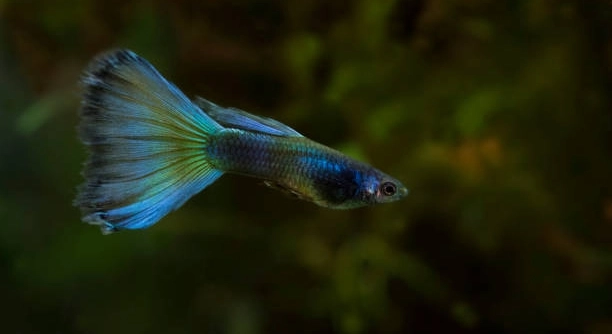
Keeping guppies safe from predators is important for maintaining a healthy and thriving aquarium. These tiny fish can easily fall victim to larger species, but there are ways to protect them effectively in a home tank.
To keep guppies safe from predators, it is essential to create a secure environment with hiding spots, appropriate tank mates, and careful monitoring of water conditions. By selecting peaceful species and offering dense vegetation, guppies can find refuge and remain safe.
Proper care and preventive measures can ensure your guppies thrive while remaining protected from harm. Continue reading to learn effective strategies for creating a predator-free environment for these beautiful fish.
Providing Hiding Spots
Guppies are small and can be easily targeted by larger fish or even other guppies. Providing them with hiding spots in the aquarium is one of the most effective ways to protect them. Dense plants, decorations, or aquarium caves can give guppies the shelter they need to escape from potential threats. These hiding spots also help reduce stress, as guppies will feel safer and more comfortable. Adding a variety of hiding spots is essential to encourage them to explore different areas and avoid predators. This setup ensures that even when the tank’s larger fish swim by, guppies can retreat to a safe space.
The right amount of hiding spots can make a big difference in how secure your guppies feel. If the environment feels too exposed, they may constantly hide, leading to stress or a decrease in their health.
A tank setup with sufficient hiding spots not only protects guppies from larger fish but also promotes a healthy and active environment. The plants should be varied in size, giving different options for guppies to hide in. Providing plants that grow tall and thick can create natural barriers between the guppies and predators. Additionally, ensure that there are places with different light levels, as guppies often prefer shaded areas for retreat. This setup will enable them to navigate the tank freely while staying protected when necessary.
Choosing Peaceful Tank Mates
Selecting the right tank mates for your guppies is crucial for their safety. Aggressive or larger fish may target guppies, causing them stress or harm. Opting for peaceful species ensures that your guppies can coexist without constant fear. Fish such as neon tetras, mollies, and Corydoras are great companions. These species are small, non-aggressive, and unlikely to pose a threat to guppies.
When selecting tank mates, always consider the size and temperament of the fish. Adding peaceful fish reduces the chances of aggression and helps maintain a calm and secure environment for your guppies.
Use a Tank with Proper Size
A tank that’s too small can lead to overcrowding, causing stress and making it harder for guppies to escape predators. A properly sized tank allows guppies to swim freely and find places to hide. Generally, a tank of at least 10 gallons is recommended for a small group of guppies. More space means fewer territorial disputes, reducing the chance of aggression from other fish. The larger the tank, the more options your guppies have to find shelter and avoid danger.
With adequate space, guppies can establish their territories and avoid constant stress from other fish. A tank that’s too small will force them into corners or restricted areas, which increases their vulnerability to predators. Keeping your guppies in a spacious environment creates a more peaceful habitat, promoting both their well-being and overall health. Additionally, larger tanks allow for better filtration and water quality, which are essential for maintaining a safe environment.
A spacious tank encourages natural behavior, allowing guppies to thrive. They can explore, swim in different levels of the tank, and feel secure. It also gives them plenty of room to find food, avoid larger fish, and develop social bonds within their group. In the end, giving them a larger space is a simple but effective way to keep them safe.
Monitor Water Conditions
Keeping the water in your tank clean and stable is essential for guppy health and protection. Poor water conditions can cause stress, which makes them more vulnerable to attacks from larger or aggressive fish. Regular water changes, proper filtration, and monitoring of water parameters such as pH, temperature, and hardness are crucial to keeping the tank environment stable. A consistent water quality supports a healthier immune system for your guppies, making them less susceptible to diseases and stressors.
In addition to physical protection, a stable environment helps guppies stay healthy and active, reducing the chances of them hiding excessively or becoming easy targets for predators. A regular routine of water maintenance will keep the tank clean and safe for guppies, allowing them to thrive without fear. Monitoring the water temperature and oxygen levels ensures that the conditions are always optimal for their well-being. By doing so, you create a peaceful, safe environment where guppies can remain secure from predators.
Having a balanced and clean tank will encourage guppies to remain visible, active, and healthy, which further reduces their stress levels. Keeping water conditions in check is a simple yet vital step to ensuring their safety. A healthy fish tank will not only prevent harm from predators but also boost the longevity of your guppies.
Separate Fry from Adults
When guppy fry are born, they are highly vulnerable to being eaten by adult fish, even by other guppies. To protect them, it’s important to separate the fry from the adults. You can use a breeding box or a separate tank to give them a safe space where they can grow without the threat of being consumed.
Adult guppies are opportunistic eaters and will often see fry as an easy meal. Keeping them separate ensures they have time to develop and grow stronger before being introduced to the rest of the tank. Once they’re large enough, they can join the adults safely.
Provide Enough Plants
Aquarium plants play an important role in protecting guppies from predators. Dense plants create hiding spots, providing the guppies with more places to retreat when they feel threatened. Not only do plants provide shelter, but they also improve water quality by absorbing excess nutrients and offering oxygen for the fish.
Adding plants such as Java moss or Anubias offers guppies plenty of places to hide. Dense vegetation also mimics their natural habitat, making them feel more comfortable and less stressed. This environment reduces their chances of being targeted by predators and helps them stay active and healthy.
Use Fish Netting
Using fish netting is another effective way to protect guppies from larger, aggressive fish. The netting creates physical barriers in the tank, preventing more aggressive species from reaching your guppies. This method is especially useful in mixed-species tanks where some fish may pose a threat to guppies.
Netting can be placed around certain areas in the tank where guppies tend to hide. It also helps limit the movement of larger fish while allowing guppies to swim freely within their safe zones. It’s an easy and inexpensive way to create boundaries and reduce predator risks.
FAQ
What are the best tank mates for guppies?
Guppies do best with peaceful fish that won’t view them as prey. Small, non-aggressive species such as neon tetras, Corydoras catfish, and mollies make excellent tank mates. These fish won’t pose a threat to your guppies, allowing them to coexist peacefully. Avoid larger fish or species that might display territorial behavior, as they can stress or harm your guppies. Fish like bettas, angelfish, or cichlids should be avoided, as they are known to target smaller fish.
How do I keep guppy fry safe from adult fish?
To keep guppy fry safe, it’s essential to separate them from adult fish right after birth. You can use a breeding box or a separate tank for the fry. Adult guppies may eat the fry, thinking they are food, so providing a safe space for the young fish allows them to grow without fear. Once the fry are large enough to defend themselves, they can be reintroduced into the main tank.
Can guppies live with shrimp?
Yes, guppies can live with shrimp, particularly species like cherry shrimp or Amano shrimp. These shrimp are peaceful and won’t harm the guppies. However, baby shrimp can sometimes be at risk if adult guppies see them as a snack. Ensuring plenty of hiding places for the shrimp can reduce the chances of this happening. Additionally, keeping a well-maintained tank with healthy water conditions supports both shrimp and guppies.
What should I do if my guppy is constantly hiding?
If your guppy is constantly hiding, it could be due to stress. This may be caused by aggression from other fish, poor water conditions, or a lack of hiding spots in the tank. Check the tank for any aggressive fish and remove them if necessary. Ensure that the water parameters (pH, temperature, and hardness) are stable and within the ideal range for guppies. Adding more plants or decorations can also help your guppies feel more secure. If the problem persists, you may want to isolate the stressed guppy in a separate tank.
Do guppies need a lot of space?
While guppies are small, they still need adequate space to thrive. A minimum of 10 gallons is recommended for a small group of guppies. Overcrowding can lead to stress, aggression, and poor water quality, which negatively impacts the health of your guppies. A larger tank also provides better filtration and allows more room for plants and hiding spots, making it a safer environment. The more space you offer, the better your guppies will thrive.
How can I tell if my guppy is stressed?
Stressed guppies may display certain behaviors such as erratic swimming, hiding excessively, or staying near the surface of the tank. They may also lose their vibrant colors or have a dull appearance. Stress can be caused by aggressive tank mates, poor water conditions, or lack of space. If you notice these signs, assess the tank’s environment and address any issues. Providing more hiding spots, adjusting water conditions, or removing aggressive fish can help reduce stress.
How often should I feed my guppies?
Guppies should be fed small amounts of food 2-3 times per day. Overfeeding can lead to poor water quality, which can affect the health of the guppies. It’s best to feed them only as much as they can consume in a few minutes. Offering a varied diet of flakes, pellets, and occasional live or frozen food can provide the necessary nutrients. Always remove any uneaten food after feeding to prevent it from decomposing and affecting water quality.
What should I do if my guppy is being bullied?
If one of your guppies is being bullied, it’s important to intervene quickly. Bullies can cause stress, damage, or even death to the weaker fish. First, remove the aggressor and place it in a separate tank to calm down. Assess the tank for other aggressive behaviors and ensure there is plenty of space, plants, and hiding spots for all the fish. If bullying continues, you may need to reconsider the tank mates and remove any that show aggressive tendencies. Peaceful cohabitation is key to a healthy environment for guppies.
Can guppies live with other types of livebearers?
Guppies can live with other livebearers, such as mollies, swordtails, and platies, as long as the tank is large enough and there is no aggression. These species are peaceful and have similar water requirements, making them suitable companions for guppies. However, you should be mindful of the size differences, as larger livebearers may pose a threat to smaller guppies. In mixed-species tanks, it’s essential to monitor the fish for signs of aggression and provide adequate space for each species.
How do I prevent my guppies from breeding excessively?
If you don’t want your guppies to breed, it’s essential to separate males and females. Guppies breed rapidly, and one female can give birth to up to 50 fry at a time. If you want to keep the population under control, remove the males or only keep one male for every 3-4 females. Alternatively, you can introduce only one gender into the tank or use birth control methods like separating the pregnant females into a breeding box until they give birth.
Are guppies prone to diseases?
Like all fish, guppies can be susceptible to various diseases if their environment is not properly maintained. Common issues include Ich, fin rot, and velvet disease. Keeping the tank clean, monitoring water parameters, and avoiding overcrowding are essential steps in preventing disease. If a guppy shows signs of illness, such as abnormal swimming, loss of color, or lesions, it’s crucial to isolate it and treat it promptly. Regular tank maintenance is key to keeping guppies healthy.
Final Thoughts
Ensuring that guppies are safe from predators requires a few key strategies, such as providing hiding places and keeping them separate from more aggressive fish. By using breeding boxes or separate tanks for fry, you give them a better chance of survival as they grow. Additionally, dense plants and decorations not only mimic a natural environment but also offer guppies a safe place to hide from larger fish. These simple steps go a long way in reducing the risk of predation, giving your guppies a safe and peaceful home.
Creating the right environment for guppies involves more than just separating them from potential predators. It’s essential to provide clean water, plenty of space, and the right temperature. These factors contribute to their overall health and make them less likely to feel stressed or vulnerable. Regular tank maintenance, including water changes and monitoring water quality, is crucial to keeping the environment safe and healthy for your guppies. A stable environment promotes the well-being of your fish, allowing them to thrive in a safe and comfortable setting.
While guppies are small and delicate, with the right care and attention, they can live healthy, fulfilling lives in your aquarium. Keeping them safe from predators and ensuring their environment supports their needs will go a long way in ensuring their longevity. With a little effort, you can provide a safe and nurturing space for your guppies, allowing them to flourish and enjoy their time in your tank. Proper care and attention to their safety and comfort are key to maintaining a peaceful aquarium.

Hello,
If you enjoy the content that we create, please consider saying a "Thank You!" by leaving a tip.
Every little bit helps us continue crafting quality advice that supports the health, happiness, and well-being of pets around the world, for pets of all shapes, sizes, and species.
We really appreciate the kindness and support that you show us!