
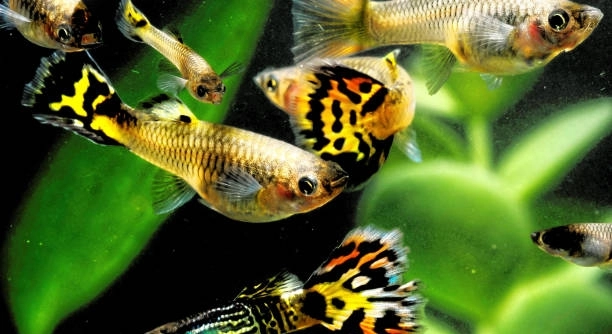
Guppies are lively, colorful fish that can be a joy to watch, but sometimes they can seem disinterested in their food. If you notice your guppies ignoring their meals, it’s important to understand why.
Several factors can cause guppies to ignore food, including stress, water quality issues, or an unbalanced diet. Changes in their environment or temperature fluctuations may also contribute to a lack of appetite.
Understanding the root causes behind this behavior will help you provide a better environment and ensure your guppies are well-fed and healthy.
Stress and Changes in Environment
Stress is a common reason for guppies to lose interest in food. Guppies are sensitive to their environment, and small changes can lead to anxiety. Moving them to a new tank, introducing new tank mates, or rearranging their space can create stress. This might make them reluctant to eat, as stress can suppress their appetite. Additionally, if there is too much noise or movement around the tank, guppies may feel threatened and not focus on eating.
Maintaining a calm and stable environment is key to ensuring your guppies stay healthy and well-fed.
It’s essential to minimize stressors around the tank. Regularly observe your fish to spot any signs of discomfort. Providing a safe space for your guppies can make a big difference. Keeping the tank lights steady and reducing unnecessary noise will help them feel more secure. Additionally, ensure that the water temperature and quality remain constant to avoid further stress. A stable environment can restore their natural behavior and appetite.
Water Quality Issues
Poor water quality is another major factor affecting a guppy’s appetite. Guppies are sensitive to changes in water parameters like pH, ammonia, and nitrate levels. Dirty water or an imbalanced ecosystem can cause discomfort and may lead to a loss of appetite.
Consistent water changes and proper filtration will improve the overall tank environment. Regularly testing the water for ammonia, nitrites, and nitrates ensures that the conditions stay suitable for guppies. If water parameters are off, it can lead to stress, which, in turn, discourages them from eating. Make sure the water temperature stays within the recommended range for guppies as well. A clean, stable tank environment will encourage them to eat and thrive. Regular water maintenance is crucial for the health of your guppies.
Overfeeding or Irregular Feeding Schedule
Overfeeding can lead to guppies ignoring food. When too much food is given at once, it may not all be consumed, causing uneaten food to decompose and affect the water quality. Guppies may also become full more quickly, reducing their appetite.
A consistent feeding schedule is essential. Offer small amounts of food twice a day to avoid overfeeding. Observe your guppies to ensure they eat all the food before adding more. Additionally, remove any uneaten food after a few minutes to prevent it from polluting the water. Keeping the feeding routine in check will help maintain a healthy appetite for your guppies.
If overfeeding is the issue, a smaller feeding portion will encourage guppies to eat regularly. A varied diet, such as live food or high-quality flakes, can stimulate their appetite. Make sure the food is appropriately sized for your guppies to avoid waste. Regularly adjusting feeding habits to meet their needs will prevent this problem.
Illness or Injury
Illnesses can cause guppies to lose interest in food. Fish that are sick or injured often become lethargic and may stop eating altogether. Common signs of illness include faded colors, abnormal swimming patterns, or visible wounds.
In such cases, quarantining the affected guppy and treating it in a separate tank is essential. Water quality checks should be done to rule out any potential pathogens. If you notice any of these symptoms, take quick action by isolating the sick fish and monitoring its behavior closely. A healthy guppy should be active and eating regularly.
Treatment options vary depending on the illness. If bacterial infections are suspected, consult a veterinarian for appropriate medications. Always ensure that your tank conditions support the recovery of sick or injured guppies. Avoid adding new fish to the tank until you are sure the issue is resolved.
Temperature Fluctuations
Guppies are sensitive to temperature changes. When the water temperature fluctuates too much, it can stress them and lead to a loss of appetite. Sudden drops or rises in temperature may cause them to stop eating altogether.
Maintaining a stable water temperature is crucial for their health. A temperature range of 72-82°F (22-28°C) is ideal for guppies. If the water temperature is too high or low, they may become stressed and disinterested in food. Using a reliable heater with a thermometer will help regulate the water temperature and provide a comfortable environment for your guppies.
Poor Diet or Lack of Variety
Feeding your guppies the same food every day can lead to them losing interest in it over time. If their diet lacks variety, they may not find it appealing. A balanced, varied diet is important for their nutrition and appetite.
Provide a mix of high-quality flakes, freeze-dried, or live foods like brine shrimp or daphnia. This variation will make mealtime more interesting and encourage your guppies to eat. A consistent and diverse diet ensures they get all the nutrients they need and prevents boredom with their food. Offering a range of foods keeps them healthy and satisfied.
Tank Mates and Aggression
Aggressive tank mates can contribute to guppies feeling stressed and reluctant to eat. Fish that are territorial or constantly chase the guppies can make them anxious. Stress caused by aggression may cause them to stop eating.
To avoid this, ensure that your tank mates are peaceful and compatible with guppies. Overcrowding can also lead to aggression, so maintain an appropriate fish-to-tank size ratio. Creating a peaceful environment with plenty of hiding spots for guppies can reduce stress and encourage them to eat.
FAQ
Why are my guppies not eating even though the water seems fine?
Even if the water appears clean and stable, there might be hidden issues affecting your guppies’ appetite. Stress from changes in their environment, such as new tank mates, rearranged decorations, or sudden movements around the tank, can cause them to lose interest in food. Additionally, poor water quality or slight imbalances in pH, ammonia, and nitrate levels can be difficult to detect but still harmful. Regularly check water parameters and monitor your guppies for signs of stress to determine the cause.
Can guppies survive without food for a few days?
Guppies are resilient and can survive for a short time without food, but it’s not ideal. While they can go without food for a couple of days, prolonged fasting can lead to health issues such as weakened immunity and stunted growth. Guppies should be fed regularly, ideally once or twice a day, to maintain their health. If you need to leave them without food for a few days, consider having someone feed them or use automatic feeders.
How do I know if my guppy is sick or just not hungry?
A sick guppy often exhibits more noticeable changes in behavior, such as swimming erratically, staying at the bottom of the tank, or isolating itself. They may also show physical signs such as fading colors, lesions, or bloating. On the other hand, a guppy that’s simply not hungry may appear active and otherwise healthy but just avoids food. If you’re unsure, monitor the guppy for a day or two. If symptoms persist, consider isolating the fish and consulting a vet for proper diagnosis.
Should I be worried if my guppies stop eating for a day or two?
A short break from eating is not necessarily a cause for concern, especially if the guppies are otherwise behaving normally. They might simply be adjusting to changes in their environment, or their appetite may fluctuate due to factors like water temperature or a lack of variety in their diet. However, if the behavior lasts longer than two days or is accompanied by other symptoms such as lethargy, discoloration, or abnormal swimming, it may be time to investigate further for potential health problems.
Can stress from tank mates make guppies stop eating?
Yes, stress from aggressive or overly active tank mates can cause guppies to feel anxious and stop eating. Fish that are territorial or constantly chase or nip at your guppies can make them reluctant to feed. Guppies are peaceful fish and prefer a calm environment. To minimize stress, ensure that your tank mates are compatible and that there’s enough space and hiding spots for guppies to retreat if they feel threatened.
What type of food should I be feeding my guppies?
Guppies are omnivores and thrive on a varied diet. Provide a high-quality flake food as a staple, but supplement it with live or freeze-dried foods like brine shrimp, daphnia, and bloodworms. Vegetables such as spinach or zucchini can also be given occasionally. A balanced diet that includes protein and plant-based foods will keep your guppies healthy and satisfied. Make sure to feed them small amounts that they can consume in a few minutes to avoid overfeeding and water pollution.
How often should I feed my guppies?
Guppies should be fed once or twice a day. Offering too much food at once can lead to uneaten food affecting water quality, while infrequent feeding may cause your guppies to lose weight or become malnourished. Divide their daily food into small portions, ensuring they can consume it all within a few minutes. If you notice uneaten food, reduce the portion size at the next feeding.
Can overfeeding cause guppies to stop eating?
Yes, overfeeding is a common reason for guppies to stop eating. When they are fed too much, they may feel full quickly and lose interest in their next meal. Additionally, uneaten food that decomposes can lower water quality, which can further stress your guppies and reduce their appetite. Stick to feeding them small, manageable portions that they can finish in a few minutes.
What temperature should my guppies’ tank be?
Guppies thrive in temperatures between 72°F and 82°F (22°C and 28°C). If the water temperature fluctuates outside this range, it can stress your guppies and cause them to stop eating. Use a reliable aquarium heater and thermometer to maintain a stable temperature. If the temperature is too high or too low, guppies may become lethargic and lose their appetite.
Can a lack of oxygen in the tank make guppies stop eating?
Yes, guppies need oxygen-rich water to stay healthy and active. If the oxygen level in the tank is too low, it can cause stress, making them reluctant to eat. Ensure your tank is properly aerated, either with a filter that agitates the water surface or an air stone. Keep the tank clean and avoid overcrowding to maintain optimal oxygen levels.
Are guppies picky eaters?
Guppies are generally not picky eaters, but they do prefer a varied diet. If they are repeatedly offered the same food, they may become bored and stop eating. To keep their interest, offer a variety of foods, including high-quality flakes, live food, and occasional vegetables. A well-rounded diet will help maintain their appetite and overall health.
Why are my guppies eating only at certain times of the day?
Guppies can develop feeding habits based on their routine and environmental cues. They may only eat at certain times of the day due to natural instincts or a preference for feeding when the tank is calm and quiet. Adjusting the lighting or tank conditions to match their natural feeding schedule may help encourage more consistent eating times.
Final Thoughts
Guppies are generally hardy fish, but there are several factors that can cause them to stop eating. Stress, poor water quality, and lack of food variety are just a few reasons your guppies may not be eating as usual. Recognizing and addressing the underlying issue is key to restoring their health and appetite. A proper tank environment, including stable water temperature and a peaceful atmosphere, is crucial for your guppies to thrive.
It’s also important to pay attention to the type and frequency of food offered to your guppies. A varied diet that includes both protein and plant-based food ensures they get the proper nutrients. Avoid overfeeding, as it can lead to uneaten food polluting the tank, which may further stress the fish. Adjusting the amount of food based on their needs will help keep them healthy and interested in their meals.
In the end, maintaining a stable environment and providing a balanced diet are the most effective ways to address feeding problems in guppies. By monitoring their behavior and tank conditions, you can quickly identify any issues and make the necessary adjustments. Whether it’s correcting water parameters, adding variety to their diet, or minimizing stress, addressing the problem early on will ensure your guppies remain healthy and happy.

Hello,
If you enjoy the content that we create, please consider saying a "Thank You!" by leaving a tip.
Every little bit helps us continue crafting quality advice that supports the health, happiness, and well-being of pets around the world, for pets of all shapes, sizes, and species.
We really appreciate the kindness and support that you show us!