
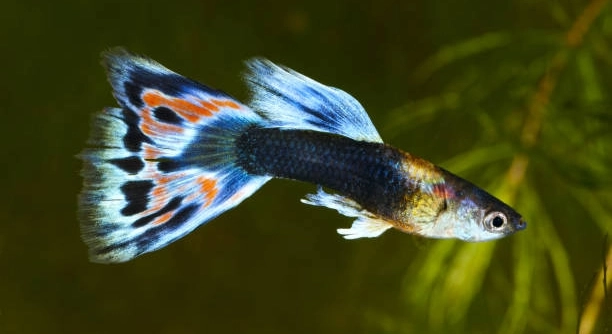
Guppies are popular aquarium fish, known for their colorful appearance and lively behavior. However, like all tropical fish, they need specific conditions to thrive. One key factor in their care is the water temperature.
Guppies are cold-water fish, but they require a stable water temperature of 72-82°F (22-28°C). A heater helps maintain this range, ensuring optimal health and promoting active behavior. Without a heater, temperature fluctuations can cause stress and illness.
A heater is an essential tool in maintaining the right environment for your guppies. Understanding why it’s necessary will help you keep them healthy and happy in their aquatic home.
Why Temperature Fluctuations Can Be Harmful for Guppies
Guppies are sensitive to temperature changes, and fluctuations can stress them out. When the water gets too cold or too hot, their immune system weakens, making them vulnerable to diseases. It can also slow down their metabolism, which leads to a loss of energy and a decrease in activity. This leaves them less able to socialize or swim effectively, affecting their overall well-being. Stress from temperature changes can also cause behavioral issues such as hiding or swimming erratically. Maintaining a steady temperature with a heater prevents these issues and ensures your guppies live a long, healthy life.
Even minor temperature changes can disrupt their behavior. Guppies thrive in consistent, warm water, which helps them feel secure and energized. Without this stable environment, they can experience physical and mental distress.
Keeping the water temperature stable is crucial for preventing disease and encouraging proper behavior. A heater ensures your guppies are always in the ideal environment to thrive and stay active.
The Importance of Stable Water Temperature
Guppies are accustomed to warm environments. They come from tropical regions, where the temperature rarely fluctuates. In their natural habitat, they rely on consistently warm water to stay healthy and active.
To mimic this environment, setting a heater to maintain a steady temperature is key. Sudden drops or rises in temperature can cause stress, triggering a range of problems. For example, when the temperature falls below 72°F (22°C), guppies may become sluggish and less active. In severe cases, they may even stop eating, leading to malnutrition and weakened immune systems.
Moreover, high temperatures can cause them to become stressed and may lead to an oxygen shortage in the water. This stresses your guppies even further, reducing their lifespan and increasing their risk of illness. By ensuring consistent temperatures, you provide the ideal conditions for them to thrive, feel secure, and live healthily.
Guppy Behavior and Temperature
Guppies are naturally active fish. When the water is too cold or hot, their behavior changes. They become sluggish, less social, or hide more often. A consistent temperature keeps them moving around the tank, healthy and engaged.
A heater helps stabilize the temperature, so guppies remain active throughout the day. When they’re comfortable, they swim freely, interact with each other, and show more interest in their surroundings. If the water is too cold or too hot, they may retreat to hidden areas of the tank, becoming less visible.
A heater helps maintain that comfort zone, making your guppies more lively and less stressed. They are more likely to display natural behaviors, such as exploring the tank or mating. This leads to a happier, healthier fish and a more enjoyable tank for everyone.
Health Risks From Temperature Stress
Temperature stress can lead to severe health issues for guppies. Sudden temperature changes, or prolonged exposure to incorrect temperatures, can compromise their immune systems.
When exposed to such conditions, guppies are more susceptible to diseases like Ich, fin rot, or fungal infections. Their weakened immune systems make it difficult for them to recover. A heater ensures that the water stays at a steady temperature, reducing the likelihood of these health problems. By keeping them comfortable, you can prevent temperature-related stress and help them stay resilient against common aquarium diseases.
Furthermore, healthy guppies are more likely to breed and thrive in a stable environment. Providing a consistent water temperature ensures a long life for your fish.
Better Digestion and Metabolism
Guppies rely on warm water to maintain healthy digestion. Without the proper temperature, their digestive system can slow down, leading to poor nutrient absorption. This can result in malnutrition or stunted growth.
A stable temperature encourages efficient digestion, ensuring guppies get the most from their food. When they are in a comfortable environment, their metabolism operates at its best. This leads to better overall health, allowing guppies to grow and develop properly. A heater in the tank ensures that their digestion process remains consistent, preventing any digestive issues that could arise from temperature fluctuations.
Stable Breeding Conditions
Stable water temperature is essential for breeding. Guppies are sensitive to environmental changes, and inconsistent temperatures can cause stress that affects their reproductive behavior.
By providing a steady temperature, you encourage healthy breeding. Guppies are more likely to breed successfully in a tank with optimal conditions. Stable warmth helps females release healthy fry, while males remain active and ready to mate. A heater ensures that the temperature remains within the ideal range for breeding, promoting a consistent cycle of reproduction.
Improved Lifespan
Guppies live longer when kept in stable temperatures. A consistent environment reduces the risk of stress-related health problems.
FAQ
Why do guppies need a heater?
Guppies are tropical fish that require a stable water temperature between 72°F and 82°F (22°C and 28°C) to thrive. Without a heater, the water temperature can fluctuate, causing stress and increasing the risk of illness. A heater ensures the water remains consistent, keeping your guppies healthy and active.
Can guppies survive in room temperature without a heater?
Guppies can survive in room temperature, but it’s not ideal. Room temperature can fluctuate, causing temperature swings that stress the fish. While they may manage in cooler or warmer conditions for short periods, a consistent and stable environment is important for their long-term health.
What happens if the water temperature is too cold for guppies?
If the water temperature drops below 72°F (22°C), guppies become sluggish, and their metabolism slows down. This can lead to reduced activity, poor digestion, and weakened immune systems. In extreme cases, they may become more susceptible to diseases or even die if the temperature remains too low for extended periods.
What if the water temperature is too hot for guppies?
If the water temperature rises above 82°F (28°C), guppies may become stressed and overexerted. Higher temperatures can lower the oxygen levels in the water, leading to respiratory distress. This also increases the risk of bacterial and fungal infections. It’s essential to keep the temperature within the ideal range for optimal health.
How do I know if my guppy’s tank is too cold or too hot?
Signs that the water temperature is too cold include lethargic behavior, reduced appetite, and guppies staying near the bottom of the tank. If the temperature is too hot, guppies may swim erratically, gasp at the water’s surface, or show signs of stress. Using a thermometer is the best way to monitor the water temperature accurately.
How do I maintain the correct water temperature for my guppies?
To maintain the correct water temperature, use a reliable aquarium heater with a built-in thermostat. Set the heater to keep the water within the range of 72°F to 82°F (22°C to 28°C). Regularly check the temperature with an aquarium thermometer to ensure it stays consistent.
Can a heater overheat the tank water?
Yes, a heater can overheat the tank water if it is not functioning correctly or if the thermostat is faulty. Some heaters are designed with safety features that prevent overheating, such as an automatic shutoff. It’s important to choose a heater suitable for the size of your tank and regularly check its performance.
Do guppies need a heater in the winter?
Yes, even in winter, a heater is necessary to maintain a stable water temperature. While the surrounding air temperature may drop, the water in your tank can cool down, making the environment unsuitable for your guppies. A heater ensures the water stays within the ideal temperature range regardless of the season.
Can I use a heater for a tank with other fish species?
Yes, you can use a heater for tanks with multiple fish species, as long as they have similar temperature requirements. Guppies, like many tropical fish, need consistent warmth, and most other tropical species have similar needs. However, always check the temperature tolerance for each species to avoid stress.
How do I choose the right size heater for my guppy tank?
The size of the heater depends on the size of your tank. A common rule is to use 5 watts of heating power per gallon of water. For example, a 20-gallon tank would need a 100-watt heater. Ensure the heater is designed for the specific volume of your aquarium to maintain a consistent temperature.
Can guppies breed in a tank without a heater?
While guppies can breed in a tank without a heater, it’s much harder to achieve consistent and successful breeding. Guppies require stable temperatures to breed effectively. In colder conditions, the mating process may slow, or the fry may be weak and less likely to survive.
How often should I check the water temperature?
Check the water temperature daily, especially after adjusting the heater or adding water. It’s a good idea to keep a thermometer in the tank for constant monitoring. This ensures that any sudden changes are noticed immediately, preventing possible stress or harm to your guppies.
What should I do if the heater is malfunctioning?
If the heater is malfunctioning, turn it off immediately to prevent overheating or underheating. Inspect the heater for any visible damage or irregularities. If the heater continues to malfunction, replace it with a new one. Regularly maintain and clean the heater to ensure proper functioning.
Final Thoughts
Guppies thrive in stable environments, and maintaining the right water temperature is a crucial part of their well-being. Without a proper heater, fluctuations in temperature can cause stress, affect their behavior, and make them more vulnerable to diseases. While guppies can survive in a range of temperatures, a consistent environment is essential for their long-term health. Ensuring your tank has a reliable heater helps to keep the water in the ideal range for guppies to stay active, healthy, and comfortable.
Investing in a quality aquarium heater is one of the best decisions you can make as a guppy owner. It takes little effort to set up and ensures that the water temperature stays stable. By choosing the right heater and regularly monitoring the water temperature, you can avoid many of the common problems associated with improper tank conditions. Guppies, like many tropical fish, need warmth to maintain their energy, breed, and live longer, so providing the right temperature is an easy yet significant way to improve their quality of life.
In the end, having a heater is not just about providing warmth, but creating an environment where your guppies can thrive. It reduces stress, supports better digestion and metabolism, and improves their chances of breeding successfully. By keeping the water at a consistent temperature, you are ensuring that your guppies can live healthier, happier lives. Whether you’re new to fishkeeping or experienced, having a reliable heater will make a noticeable difference in your guppy tank’s overall health and stability.

Hello,
If you enjoy the content that we create, please consider saying a "Thank You!" by leaving a tip.
Every little bit helps us continue crafting quality advice that supports the health, happiness, and well-being of pets around the world, for pets of all shapes, sizes, and species.
We really appreciate the kindness and support that you show us!