
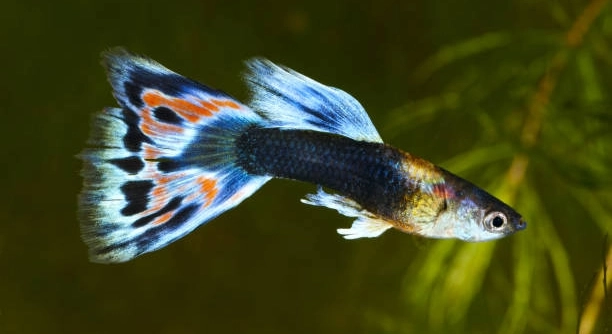
If you’ve noticed that your guppy is swimming more slowly than usual, it’s essential to figure out why. Slow swimming can be caused by a variety of factors that might affect your guppy’s behavior and health.
Guppies may swim slowly due to stress, water quality issues, illness, or inappropriate tank conditions. Inadequate oxygen levels, overfeeding, or a lack of stimulation can also contribute. Identifying these causes is crucial to maintaining a healthy and active guppy.
Understanding these causes will help you pinpoint the problem and improve your guppy’s well-being, ensuring it remains active and healthy.
Stress and Anxiety
Stress can be a common reason for your guppy’s slow swimming. Just like any pet, guppies are sensitive to their surroundings. Changes in water temperature, lighting, or the presence of other aggressive fish can cause them to feel stressed. When stressed, guppies often swim less and hide more. If there are sudden changes in the tank environment, like a new fish or fluctuating temperatures, it can affect their behavior.
It’s important to monitor the tank’s conditions and avoid sudden changes. A stressed guppy will often remain near the bottom or find a spot to hide. If your guppy is showing signs of stress, adjusting the environment and reducing any disturbances will help. Providing a quiet, safe space for your fish can improve their overall well-being.
Creating a peaceful tank environment is key to reducing stress. Adding plants and hiding spots can give your guppy a sense of security and prevent feelings of anxiety. Keeping your fish calm can encourage normal swimming behavior.
Water Quality Issues
Water quality plays a major role in your guppy’s health and swimming habits. Poor water conditions, such as high ammonia or nitrite levels, can negatively impact your fish’s energy and movement. If the water is too dirty, your guppy may struggle to swim normally. The lack of clean water can lead to slow, lethargic behavior. Regular water changes are essential to keeping your guppy’s environment in top shape.
Test the water regularly and ensure it is free from harmful toxins. Clean water can prevent diseases and support your guppy’s activity levels. Keeping the water temperature within the ideal range for guppies, around 72 to 82°F, will also help them feel more comfortable and active. The cleaner and more stable the water, the healthier and more energetic your guppy will be. Regular maintenance and water testing are vital.
Illness or Disease
Fish can become sluggish and less active when sick. Guppies are prone to various diseases like fin rot or swim bladder issues, which can affect their swimming. When they feel unwell, they may not have the energy to swim properly.
If your guppy is showing signs of illness, such as swelling, discoloration, or abnormal swimming patterns, it’s crucial to treat them promptly. Diseases can quickly worsen and spread to other fish in the tank. Isolating sick fish and treating them with the right medication is essential to prevent further health issues.
A proper quarantine tank and observing their behavior can give you a better understanding of their health. If you’re unsure about the diagnosis, consulting an expert can help you determine the correct treatment plan. Quick intervention can improve your guppy’s chances of recovery and prevent illness from affecting the entire tank.
Overfeeding
Overfeeding can lead to a slow-moving guppy. When you give your fish too much food, it can lead to digestive problems and sluggish behavior. Guppies don’t need to eat large quantities in one sitting.
Feeding them the right amount, only what they can consume in a few minutes, will keep them healthy and active. Overfeeding can also cause water quality issues as uneaten food decomposes, affecting the tank environment. This, in turn, could make your guppy more lethargic due to poor water conditions.
A regular feeding schedule and careful portioning can prevent this. It’s better to feed smaller amounts more often. Removing any leftover food promptly helps maintain water quality and keeps your guppy’s energy levels up.
Inadequate Tank Size
Guppies need enough space to swim and explore. A tank that is too small can restrict their movement and cause them to swim slowly. They need room to feel comfortable and active. If your guppy is in a cramped environment, it’s time to upgrade the tank size.
The minimum recommended tank size for guppies is 10 gallons. A larger tank will allow for proper water filtration and space to swim, reducing stress and encouraging normal behavior. Additionally, a bigger tank will help maintain water quality and ensure that your guppy remains healthy and active.
Lack of Oxygen
Guppies, like all fish, rely on oxygen-rich water to stay healthy. If oxygen levels in the tank are low, your guppy may become sluggish. This could happen if the tank is overcrowded or if the filtration system isn’t functioning properly.
Adding an air pump or aerator can improve oxygen flow, allowing your guppy to swim more energetically. Regularly cleaning the filter and monitoring water circulation can also help maintain proper oxygen levels. Guppies thrive when they have enough oxygen to breathe, which keeps them active and healthy.
Water Temperature
Water temperature affects your guppy’s activity level. If the water is too cold or too warm, it can lead to sluggish swimming. Guppies thrive in a temperature range of 72°F to 82°F. If the water is too cold, your guppy may not have the energy to move around.
Using a heater to maintain the appropriate water temperature is essential. Sudden changes in temperature can also stress your guppy, causing them to swim slowly. Make sure to use a reliable thermometer to monitor water conditions and ensure the environment stays stable for your fish.
FAQ
Why is my guppy staying at the bottom of the tank?
If your guppy is spending a lot of time at the bottom of the tank, it could be due to stress, illness, or poor water conditions. Guppies may seek the bottom to hide when they’re feeling stressed or unwell. It’s also possible that the water temperature is too cold or the water quality is poor. Regular water changes and maintaining stable water parameters can help keep your guppy active. If they show other signs of illness, consider isolating them for treatment.
Can guppies swim in cold water?
Guppies prefer warm water, typically between 72°F and 82°F. If the water is too cold, their metabolism slows down, causing them to become sluggish. Cold water can also weaken their immune system, making them more vulnerable to diseases. It’s essential to maintain a consistent water temperature within the optimal range. Use a reliable aquarium heater to ensure the temperature stays stable for your guppy.
How do I know if my guppy is sick?
Sick guppies may show signs like fading colors, swelling, unusual swimming patterns, or lethargy. They might also have damaged fins or visible lesions on their bodies. If your guppy is swimming slowly or hiding more than usual, it could be a sign of illness. It’s important to observe their behavior closely and look for any physical symptoms. If symptoms worsen, seek advice from a veterinarian or an aquarium expert.
Why do guppies swim in circles?
Guppies swimming in circles could be due to stress, lack of space, or poor water conditions. A small or overcrowded tank can limit their ability to swim freely, leading them to swim in circles as they try to find more space. It can also indicate a possible water quality issue or a disease affecting their swimming behavior. Make sure your tank is adequately sized and the water conditions are optimal to help your guppy swim comfortably.
How can I help my guppy swim better?
To help your guppy swim more actively, first ensure that water quality is optimal. Regular water changes and proper filtration are essential. Check the temperature to ensure it’s within the appropriate range for guppies. Also, avoid overfeeding, as excessive food can lead to sluggishness. Providing plants and hiding spots can help reduce stress and allow your guppy to feel more comfortable. If your guppy seems ill, isolate them and seek treatment to address the underlying issue.
Can guppies recover from swim bladder disease?
Yes, guppies can recover from swim bladder disease if treated properly. Swim bladder disease can cause abnormal swimming patterns, including floating upside down or sinking to the bottom. Treatment often involves adjusting their diet, such as feeding them peas or other natural remedies. It’s also important to maintain clean water and ensure the tank is at the proper temperature. In severe cases, medications might be necessary, so consulting an expert can help you manage the condition effectively.
Why are my guppies swimming slowly after a water change?
After a water change, guppies may swim more slowly due to changes in the water’s temperature or pH levels. It’s important to ensure that the new water is similar in temperature and pH to the old water to minimize stress. Also, make sure the water is dechlorinated before adding it to the tank, as chlorine can harm your guppies. Allow your guppies time to adjust to the new conditions, and monitor their behavior for any signs of distress.
Do guppies get lazy after breeding?
Yes, guppies can become lethargic after breeding. Female guppies, in particular, may swim slowly or hide after giving birth. The process of carrying and birthing fry can be exhausting for them, leading to temporary fatigue. Male guppies may also seem less active after breeding, as their energy is spent courting and chasing females. If the sluggish behavior persists for longer periods, it could be an indication of an underlying health issue.
Is my guppy stressed because of other fish?
Guppies can experience stress from aggressive or territorial fish. If there are fish in the tank that are constantly chasing or nipping at your guppy, it can lead to anxiety and slower swimming. To reduce stress, ensure that the tankmates are peaceful and compatible. Adding plants or decorations that provide hiding spots can also help your guppy feel more secure. If aggression continues, consider separating the fish to create a calmer environment for your guppy.
Can my guppy swim slowly because of overfeeding?
Yes, overfeeding can cause your guppy to swim slowly. When fed too much, guppies can become lethargic as their digestive system works to process the excess food. Overfeeding can also lead to water quality issues, as uneaten food decomposes and creates toxins in the tank. To avoid this, feed your guppy small amounts that they can consume within a few minutes, and remove any leftover food. This will help maintain both their health and the tank’s water quality.
Final Thoughts
Guppies are active and lively fish that typically swim energetically, but there are several factors that can cause them to swim slowly. Issues such as poor water quality, improper water temperature, overfeeding, or illness can all impact your guppy’s activity level. Addressing these factors can help restore your guppy’s health and ensure they remain active and happy. By maintaining a clean tank, providing the right food in proper amounts, and ensuring a stable environment, you can prevent many of the common reasons for slow swimming.
In some cases, your guppy may need special care, especially if it is sick or suffering from a disease like swim bladder issues. Identifying signs of illness early and isolating the affected fish for treatment can improve their chances of recovery. If your guppy’s behavior changes suddenly or they display abnormal symptoms, it’s important to take action quickly. Regularly checking water conditions and making adjustments when necessary will keep your guppy comfortable. Be mindful of their space and ensure they have plenty of room to swim freely, as a crowded tank can lead to stress and lethargy.
Overall, providing a stable and well-maintained environment is key to ensuring your guppy remains active. Paying attention to the water temperature, tank size, and other tank mates can prevent unnecessary stress. Keeping your guppy healthy and active doesn’t require much effort but does need consistent care. When you monitor their behavior closely and address potential issues early, your guppy can enjoy a long, healthy, and energetic life in your aquarium.

Hello,
If you enjoy the content that we create, please consider saying a "Thank You!" by leaving a tip.
Every little bit helps us continue crafting quality advice that supports the health, happiness, and well-being of pets around the world, for pets of all shapes, sizes, and species.
We really appreciate the kindness and support that you show us!