
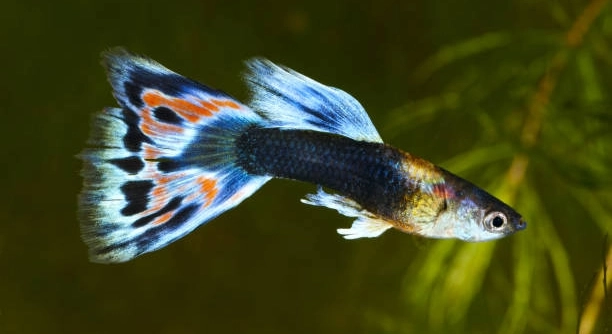
Are your guppies acting different lately—maybe hiding more or showing duller colors than usual? It could be a sign they’re stressed, and knowing what to look for can make a real difference.
Guppy stress is commonly identified through signs such as color fading, erratic swimming, clamped fins, or a lack of appetite. Recognizing these behaviors early allows for timely intervention and helps maintain a healthier environment in your aquarium.
Learning how to spot these signs early can support your guppies’ health and help prevent more serious issues from developing.
Faded Colors and Dull Appearance
A common sign of guppy stress is a noticeable change in their color. Guppies are naturally vibrant, so when their color fades or becomes dull, it’s often a red flag. Stress from poor water quality, sudden changes in temperature, or bullying from other fish can all lead to this shift. Dullness is your guppy’s way of showing discomfort, even if they’re still eating or swimming. It’s important to observe their appearance regularly and notice even subtle changes. Keep a consistent schedule for water testing, avoid overcrowding, and provide hiding spots to reduce stress in community tanks. When conditions are stable and safe, guppies usually regain their full color.
Color fading can start slowly, so it’s easy to overlook. Always compare your guppy’s current appearance to past photos or known patterns.
Creating a peaceful tank with soft lighting, clean water, and minimal disruptions encourages your guppies to maintain their bright, healthy look.
Erratic or Rapid Swimming
Guppies that swim frantically or dart around without purpose may be reacting to stress. This can happen after a sudden change in water parameters, loud noises near the tank, or the presence of aggressive tankmates.
Rapid or erratic swimming is a behavioral response linked to discomfort or fear. Guppies may dart across the tank, crash into decor, or struggle to maintain balance. These movements aren’t playful—they’re signs of distress. Sudden spikes in ammonia, nitrite, or temperature can trigger this behavior. In other cases, the presence of a bully or even your own movements near the tank can be overwhelming. Try to maintain a quiet environment and avoid abrupt changes in the tank setup. If aggressive fish are present, consider separating them. Stable conditions and plenty of hiding spots can help calm your guppies. Observing their swimming style closely will help you identify these stress signals before more serious health issues arise.
Clamped Fins and Stillness
Clamped fins are when your guppy holds its fins tightly against its body instead of fanning them out. This often means the fish is uncomfortable or unwell. It’s one of the clearest early signs of stress in guppies.
When a guppy is stressed, its energy levels drop. You may notice your guppy floating in one spot, barely moving, or resting on the bottom of the tank. Along with clamped fins, this stillness suggests the fish is not feeling safe or healthy. Water conditions are usually the first thing to check—ammonia, nitrite, and pH imbalances can cause this kind of stress. Poor diet or low oxygen levels might also be the reason. Look for any changes in tank setup, feeding routine, or behavior from other fish. Even minor shifts can lead to stress.
Providing a stable environment, routine feeding, and maintaining good water parameters can help prevent clamped fins and encourage movement.
Loss of Appetite
A guppy that stops eating is usually responding to something off in its environment. This behavior can show up alongside other signs like hiding, dull colors, or staying near the surface. Appetite loss is often tied to stress or illness.
Stress affects digestion. When your guppy isn’t eating, it could be reacting to sudden changes in water temperature, lighting, or a new tank mate. In other cases, bad water quality plays a big role—especially if ammonia or nitrite levels are too high. Try offering their favorite food or switching to smaller feedings to encourage them. However, don’t overfeed, especially if uneaten food is sinking and causing buildup. Observe if the guppy is showing interest but just not taking the food. That detail helps narrow down the cause. Fixing the issue quickly can get your guppy eating again and help prevent other health issues from developing later. Regular tank checks make a big difference.
Gasping at the Surface
If your guppy is constantly at the top of the tank, gulping for air, that usually means the water lacks enough oxygen. This behavior shows stress and can quickly lead to health problems if not addressed.
Check your filter, aeration, and water temperature right away. Warmer water holds less oxygen, so even a small temperature increase can impact your guppy’s breathing.
Hiding More Than Usual
Guppies that constantly hide may be reacting to something that makes them feel unsafe. This could include bullying from other fish, loud noises, or a recent change in the tank. They’re not being shy—they’re trying to avoid stress.
Frayed or Torn Fins
Torn or frayed fins often appear when a guppy is stressed for too long. It can be a result of poor water quality, rough handling, or aggression from other fish in the tank.
FAQ
What causes stress in guppies?
Stress in guppies is usually caused by poor water quality, inappropriate tank mates, sudden changes in water temperature, or overcrowding. Even loud noises or sudden movements can spook them. High levels of ammonia, nitrites, or nitrates are common stress triggers. Guppies are sensitive to their environment, and when something feels off, they show it through their behavior and appearance. Keeping water parameters stable and providing a peaceful tank environment is crucial for their well-being.
How do I know if my guppy is stressed?
A stressed guppy may display several signs, such as fading colors, clamped fins, erratic swimming, or loss of appetite. They may also hide more than usual or gasp at the surface. Frequent changes in behavior, like swimming erratically or staying at the tank’s surface for air, often point to stress. Regularly checking the tank’s water quality and observing the fish closely can help you identify early signs of stress.
Can I prevent guppy stress?
Yes, you can minimize stress in guppies by maintaining stable water conditions, avoiding overfeeding, and ensuring a proper tank setup. Regularly test the water for ammonia, nitrites, and nitrates, and perform partial water changes as needed. Providing hiding spots and keeping the tank peaceful with compatible tank mates also helps prevent stress. Avoid sudden temperature changes, and don’t overcrowd the tank. Keeping the environment calm and consistent helps your guppy feel safe and secure.
What should I do if my guppy shows signs of stress?
If your guppy shows signs of stress, first check the water parameters. Test for ammonia, nitrite, and nitrate levels. If the levels are high, perform a water change and ensure your filter is working properly. Also, check the temperature and adjust it if needed. If your guppy is hiding or swimming erratically, remove any aggressive tank mates. Ensure the tank has plenty of plants or decorations to provide hiding spots. If the stress continues, consider isolating the stressed guppy in a separate tank for a while to give it a chance to recover.
How can I help my guppy get rid of stress?
To help a stressed guppy, focus on improving water conditions. Ensure the filter is clean, the water temperature is stable, and there’s enough oxygen in the tank. Make sure your guppy has plenty of hiding places, especially if there are other fish in the tank. Reducing the amount of noise or movement around the tank can also help. If aggression from other fish is the cause, consider separating them or adding more plants to give your guppy a safe space. Providing a high-quality, varied diet can also help boost their immunity and reduce stress.
Can water temperature affect guppy stress?
Yes, water temperature plays a significant role in guppy stress. If the water is too hot or too cold, it can cause stress. Guppies thrive in temperatures between 72°F and 82°F (22°C to 28°C). If the water gets too warm, it can lower oxygen levels, which stresses the fish. If it’s too cold, their metabolism slows, making them more susceptible to illness and stress. Always check the temperature regularly and adjust it using a reliable heater to keep it within the ideal range.
What are the best tank mates for guppies?
Guppies are peaceful fish that do well in a community tank with other non-aggressive species. Suitable tank mates include other peaceful fish like neon tetras, mollies, or platies. Avoid keeping them with aggressive fish, such as bettas or cichlids, as they can bully or harm the guppies. Additionally, make sure the tank is large enough to accommodate the fish comfortably and provide plenty of space for everyone.
Is it normal for guppies to lose their appetite?
It’s not unusual for guppies to lose their appetite temporarily due to stress. However, if they continue to refuse food, it’s a sign that something is wrong. Stress from poor water quality, aggression from tank mates, or sudden changes in their environment can all contribute to loss of appetite. Make sure the water parameters are stable, and the tank is peaceful. Offer a variety of foods to see if they have a preference. If the issue persists, it may be a sign of illness or a more serious stress-related issue.
How long can stressed guppies live?
If the stress is mild and short-term, your guppy can recover quickly and live a normal lifespan. However, prolonged stress can weaken their immune system, making them more susceptible to disease and shortening their lifespan. It’s essential to address stress early on and resolve the underlying cause. With proper care, a healthy guppy can live 2-3 years or longer, but consistent stress can reduce their life expectancy.
Can I treat a stressed guppy with medication?
Medication is typically not the first solution for a stressed guppy unless they are showing signs of illness. Addressing water quality, tank environment, and stress factors should be your priority. If your guppy has developed a disease due to stress, then medication may be needed. Always consult an aquarium expert or vet before adding any medication to your tank to avoid further stress or harm to your guppy and other fish.
Final Thoughts
Guppies are sensitive creatures, and stress can take a significant toll on their health and behavior. Recognizing the signs of stress early on can make a big difference in their well-being. By understanding what causes stress in guppies and how to address it, you can ensure your fish remain happy and healthy. Factors such as water quality, tank mates, and temperature are all important elements in maintaining a stress-free environment. Keeping a close eye on these factors will help reduce the chances of your guppy becoming stressed.
The most effective way to prevent stress is through regular tank maintenance. Testing the water regularly for ammonia, nitrites, and nitrates ensures that your guppies aren’t exposed to harmful chemicals. Providing adequate filtration, avoiding overcrowding, and maintaining a stable temperature also help create a more comfortable environment. Additionally, paying attention to your guppy’s behavior can help you spot stress early. If you notice signs like clamped fins, loss of appetite, or unusual swimming patterns, it’s essential to act quickly and make adjustments to their environment.
In conclusion, the key to a healthy, happy guppy is creating a stable, peaceful environment where they feel safe and comfortable. Stress can be prevented by paying attention to water quality, tank setup, and the needs of your fish. By addressing any stress factors early and making necessary adjustments, you can improve your guppy’s quality of life and avoid potential health problems. Regular monitoring, proper tank care, and understanding your guppy’s behavior are all essential for ensuring they thrive in their aquarium.

Hello,
If you enjoy the content that we create, please consider saying a "Thank You!" by leaving a tip.
Every little bit helps us continue crafting quality advice that supports the health, happiness, and well-being of pets around the world, for pets of all shapes, sizes, and species.
We really appreciate the kindness and support that you show us!