
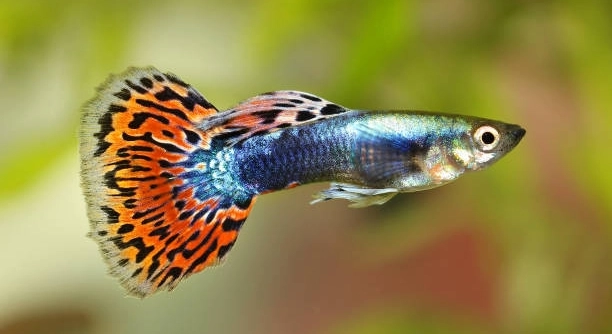
Is your guppy spending a lot of time near the surface, making you wonder if something might be wrong in the tank? This behavior can be concerning, especially when it seems unusual for your fish.
Guppies often swim near the surface due to low oxygen levels, high water temperatures, overcrowding, illness, or poor water quality. Surface swimming can be a sign of stress or discomfort, and it shouldn’t be ignored.
By learning what causes this behavior, you can make simple changes that support your guppy’s health and comfort in the aquarium.
1. Low Oxygen Levels in the Water
When guppies swim near the surface, it’s often a sign they’re struggling to get enough oxygen. The top layer of the water holds more oxygen than the rest, so it’s a natural place for them to go when they need air. This is more common in tanks that are overstocked or have poor water circulation. If your filter isn’t creating enough movement or there’s no air stone, oxygen might not be reaching deeper areas. Warmer water also holds less oxygen, which can make the problem worse. Guppies are small but sensitive, and they’ll respond quickly to poor oxygen levels. You might notice them gasping at the surface or showing less activity overall. This can become dangerous if not fixed quickly.
Check your filter and consider adding an air stone to increase oxygen flow in the tank. Make sure your tank isn’t overcrowded with fish.
Regular water changes and keeping your filter clean can prevent oxygen problems before they start. A well-maintained tank gives your guppy a better chance to stay healthy and active. Monitor water temperature too, especially in warmer months, as it can affect how much oxygen stays in the water. Making small changes can help right away.
2. High Water Temperatures
High water temperatures reduce oxygen levels, and that can make guppies swim near the top. It also increases their metabolism, leading to stress.
Use a reliable aquarium thermometer to track temperature consistently. Guppies prefer a range between 72°F and 82°F. If your tank temperature rises above that, oxygen levels can drop fast. During summer, even indoor tanks can overheat if left near windows or under strong lights for too long. Keep the tank away from direct sunlight and avoid using high-wattage bulbs. If your heater is faulty or set too high, that might also be the reason for the heat spike. Cooling the tank slowly using a fan or frozen water bottles can help bring things back to normal without shocking your fish. Also, check for signs of heat stress like rapid gill movement or loss of color. Addressing temperature issues early helps prevent long-term damage to your guppies’ health.
3. Poor Water Quality
Dirty or unbalanced water can lead to stress, illness, and surface swimming in guppies. Ammonia, nitrites, and high nitrate levels make it hard for them to breathe comfortably. Test your water regularly to avoid sudden spikes that harm your fish.
Poor water quality is often caused by overfeeding, infrequent water changes, or a buildup of waste. Uneaten food and decaying plant matter can quickly impact tank conditions. Use a gravel vacuum during cleanings to remove debris and reduce toxin levels. A test kit will help you track ammonia, nitrites, and nitrates. If you notice cloudy water, odd smells, or fish acting oddly, it’s time for maintenance. Try changing 25–30% of the water once a week to keep the balance stable. Also, avoid overcrowding the tank, as more fish means more waste and more strain on the filter. Staying on top of your routine makes a huge difference.
Adding live plants can support water quality by naturally filtering toxins and giving guppies places to rest. Make sure your filter matches your tank size and is working properly. Swap out filter media as needed, and don’t rinse it in tap water—use tank water instead to keep beneficial bacteria intact. These bacteria help break down harmful waste effectively.
4. Overcrowding in the Tank
Too many fish in one tank can limit swimming space, reduce oxygen, and stress out your guppies. They may start swimming near the top more often to escape crowded areas or to find cleaner, more oxygen-rich water.
Each guppy needs about two gallons of water to stay comfortable and healthy. If the tank is overcrowded, it becomes harder to keep the water clean and balanced. Waste builds up quickly, and oxygen levels drop, especially if there’s not enough surface agitation. Guppies may compete for space and food, leading to aggression or bullying. You might also notice them becoming less active or more easily startled. Rearranging your tank décor or adding hiding spots can help in the short term, but the best solution is to reduce the fish load. Consider upgrading to a larger tank or rehoming some fish. Keeping a healthy balance ensures each guppy has enough room to swim and thrive.
5. Illness or Infection
Guppies that are sick often swim near the surface because they’re weak or struggling to breathe. Illnesses like fin rot, parasites, or internal infections can make it hard for them to move or rest comfortably.
Look for other symptoms like clamped fins, white spots, or weight loss. Early treatment helps.
6. Lack of Water Movement
Still water can lead to low oxygen levels and uneven temperatures. Guppies may swim near the surface if there’s not enough movement in the tank to keep oxygen distributed well.
Adding a bubbler or adjusting your filter output can improve circulation and help your guppies feel more comfortable.
7. Natural Behavior
Sometimes, guppies swim near the top just out of curiosity or when expecting food. If all other signs look normal, it could just be a harmless habit or part of their daily routine.
FAQ
How do I know if my guppy is getting enough oxygen?
If your guppy is swimming at the surface often, gasping, or showing fast gill movement, it may not be getting enough oxygen. Other signs include low energy, erratic swimming, or staying in one spot. A test kit can help confirm low oxygen levels. You can also check water movement—if your filter isn’t causing surface agitation or there’s no airstone, the oxygen might not be circulating well enough. Adding an air pump, increasing surface movement, and doing water changes can help raise oxygen levels fast.
What’s the best way to test my water quality?
Use a liquid test kit to check ammonia, nitrite, nitrate, and pH. These give more accurate readings than test strips and help you catch imbalances early. Testing once a week is a good habit. If your guppies are acting odd, test right away. Keep ammonia and nitrites at 0 ppm, and aim for nitrates below 40 ppm. If numbers are too high, change 25–50% of the water and avoid overfeeding. Clean your tank regularly, and don’t forget to rinse the filter media in tank water to protect good bacteria.
Can high temperatures really make guppies swim near the surface?
Yes, when water gets too warm, it holds less oxygen. This makes it harder for guppies to breathe, and they’ll go to the surface to find relief. High temperatures also stress their bodies, increasing their need for oxygen while reducing how much is available. Try to keep the tank between 72°F and 82°F. Use a thermometer to monitor heat, especially in summer or if your heater isn’t reliable. If it gets too hot, unplug the heater, remove the lid for airflow, or float ice packs to lower the temperature slowly.
What size tank should I have for guppies?
A good rule is 2 gallons of water per guppy. A 10-gallon tank can hold about 5 guppies comfortably. Overcrowding leads to poor water quality, less oxygen, and more stress. More space means it’s easier to maintain a healthy environment and your guppies will have room to swim freely. Larger tanks are also more stable in temperature and chemistry, making them easier to manage. If you’re planning to keep both males and females, make sure you have more females than males to reduce stress from mating behavior.
Are bubbles necessary in a guppy tank?
Bubbles from an air stone aren’t absolutely necessary, but they’re helpful. They improve oxygen levels by increasing surface agitation and help distribute heat and nutrients more evenly. If your filter already creates enough water movement at the surface, you might not need an air pump. However, if you notice guppies gasping or swimming at the surface too much, adding one can help. They’re affordable and easy to set up, and many fish enjoy swimming around the gentle flow.
How often should I clean my guppy tank?
Clean your tank once a week. This includes changing 25–30% of the water, vacuuming the gravel, and wiping down algae if needed. Rinse filter media in old tank water—not tap water—to keep the good bacteria alive. Avoid deep cleanings that remove all beneficial bacteria at once. If your tank is heavily stocked or smaller, you might need to clean more often. Keeping a regular cleaning routine helps reduce harmful waste and keeps your guppies active and healthy.
Is it normal for guppies to swim at the surface when hungry?
Yes, guppies often swim near the top when they see you approach or during feeding times. They’re smart and will associate movement with food. As long as they aren’t gasping or staying at the top all day, it’s usually nothing to worry about. Keep feedings consistent and give only what they can eat in a minute or two. Overfeeding leads to waste buildup, so stick to a routine. A hungry guppy may beg, but don’t give in too often.
Can guppies live without a filter?
Technically, yes, but it’s not recommended. A filter helps keep the water clean, provides oxygen, and supports healthy bacteria. Without it, you’d need to change the water much more often to maintain balance. Guppies produce waste quickly, and that can lead to toxic conditions fast. Even a small sponge filter can make a big difference in keeping the tank safe. If you ever run a tank without a filter, monitor it daily and be prepared to do more frequent water changes to keep your guppies safe.
What signs should I look for if my guppy is sick?
Watch for changes in behavior, color, or activity. Clamped fins, white spots, swollen bellies, ragged tails, or constant hiding can all be signs of illness. If they’re staying at the top, losing interest in food, or swimming oddly, something may be wrong. Quarantine the sick fish if possible and treat based on symptoms. Common illnesses include ich, fin rot, or internal parasites. Clean water and a stress-free environment are key to helping them recover. Early action gives your guppy the best chance to bounce back.
Final Thoughts
When guppies spend a lot of time swimming near the surface, it’s often a sign that something in the tank isn’t quite right. This behavior might be linked to low oxygen levels, high temperatures, poor water quality, stress from tank mates, or even illness. It’s important to look at the bigger picture of their environment. Small changes in the tank, such as adding plants or adjusting the filter flow, can make a big difference. Paying attention to daily habits, tank cleanliness, and how the guppies act during feeding time can also help spot problems early. Most issues can be corrected with some basic care and small adjustments.
Keeping guppies healthy doesn’t have to be difficult, but it does take regular attention. Testing the water every week, keeping the tank clean, and making sure the temperature stays stable are a few of the best habits you can follow. If you notice a guppy acting differently, especially if it’s staying near the surface for long periods, it’s worth taking a closer look. Don’t wait until more fish are affected. The earlier you act, the easier it is to fix the issue. A little prevention goes a long way. Even checking the equipment once in a while, like making sure your filter or heater works properly, can save you trouble later on.
In the end, guppies are active, hardy fish that usually show signs when something isn’t right. Learning to read those signs and understanding what they mean will help you take better care of them. A guppy swimming at the surface might just be excited for food, or it might be struggling to breathe. Knowing the difference takes time and observation, but it becomes easier the more you watch them. The more stable and clean their tank is, the more likely they are to thrive. Try not to overthink things, but always take notice when behavior changes. Your care directly affects their health, and even small efforts can lead to a big improvement in their well-being. Guppies do best in calm, consistent environments where they feel safe and can breathe easily. Keep things simple, stay consistent, and your guppies will have a better chance of living a happy, active life.

Hello,
If you enjoy the content that we create, please consider saying a "Thank You!" by leaving a tip.
Every little bit helps us continue crafting quality advice that supports the health, happiness, and well-being of pets around the world, for pets of all shapes, sizes, and species.
We really appreciate the kindness and support that you show us!